Tech Economics
Why Maintaining Old Code Pays More Than Writing New Code
The engineers keeping decade-old systems alive command salaries that make greenfield developers jealous. Here's the economics behind why.
The business models, market forces, and financial dynamics driving the tech industry.
The engineers keeping decade-old systems alive command salaries that make greenfield developers jealous. Here's the economics behind why.

The most valuable software engineers aren't the fastest coders. They're the ones who figure out what not to build.

When a single dependency owns a critical function in your stack, its vendor doesn't compete on price anymore. They negotiate on necessity.

Being first means paying to educate the market. The company that arrives second inherits a trained customer base, a proven playbook, and a map of every mistake.

Microsoft Money was profitable, well-reviewed, and steadily growing. Then Microsoft killed it. The story explains more about corporate strategy than any failure case ever could.

Being first means paying for everyone's education. The company that comes second gets to skip class and go straight to the exam.

Price positioning in cloud computing is brutal and precise. Being second-cheapest is almost always the worst place to stand.
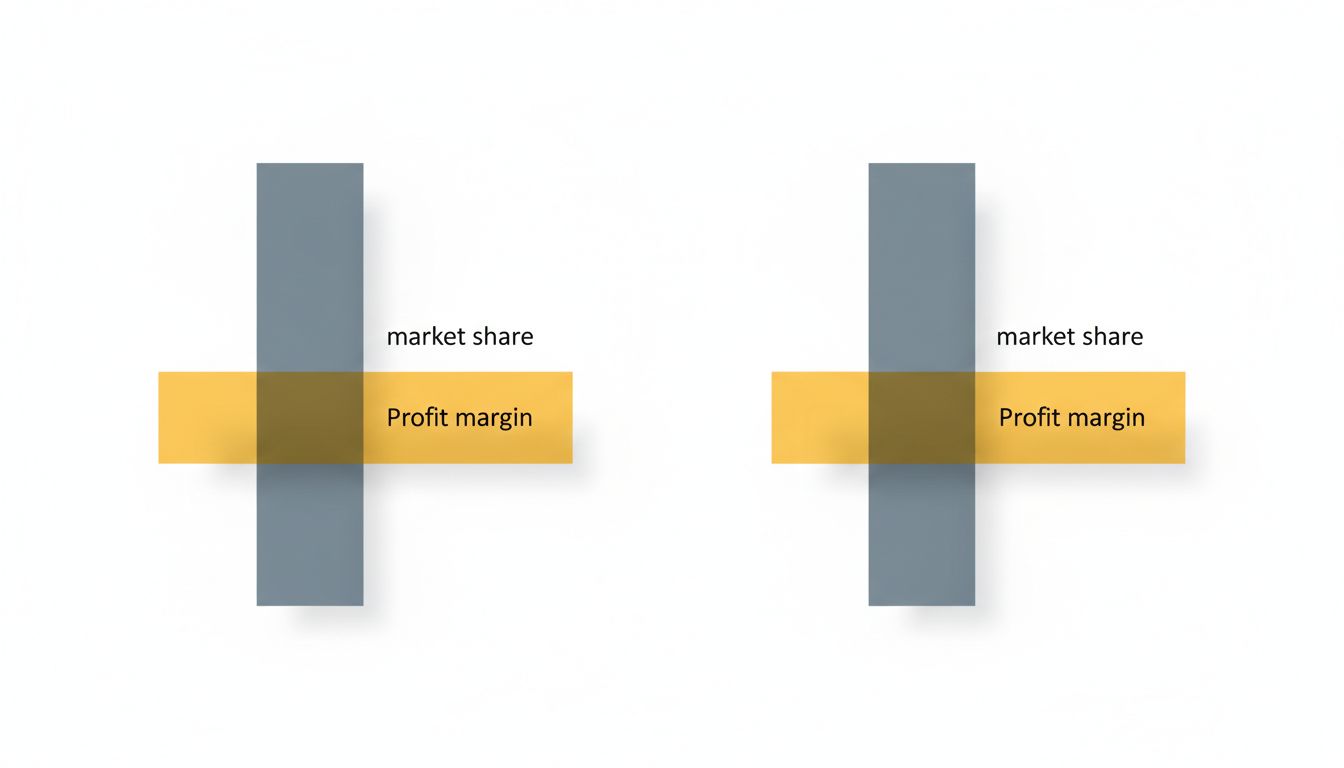
The company that captures the most customers frequently captures the least profit. Second place has structural advantages that market leaders can't easily copy.

AMD trailed Intel for years, ceded market share, and nearly went bankrupt. Then it became more profitable per dollar of revenue than the market leader.
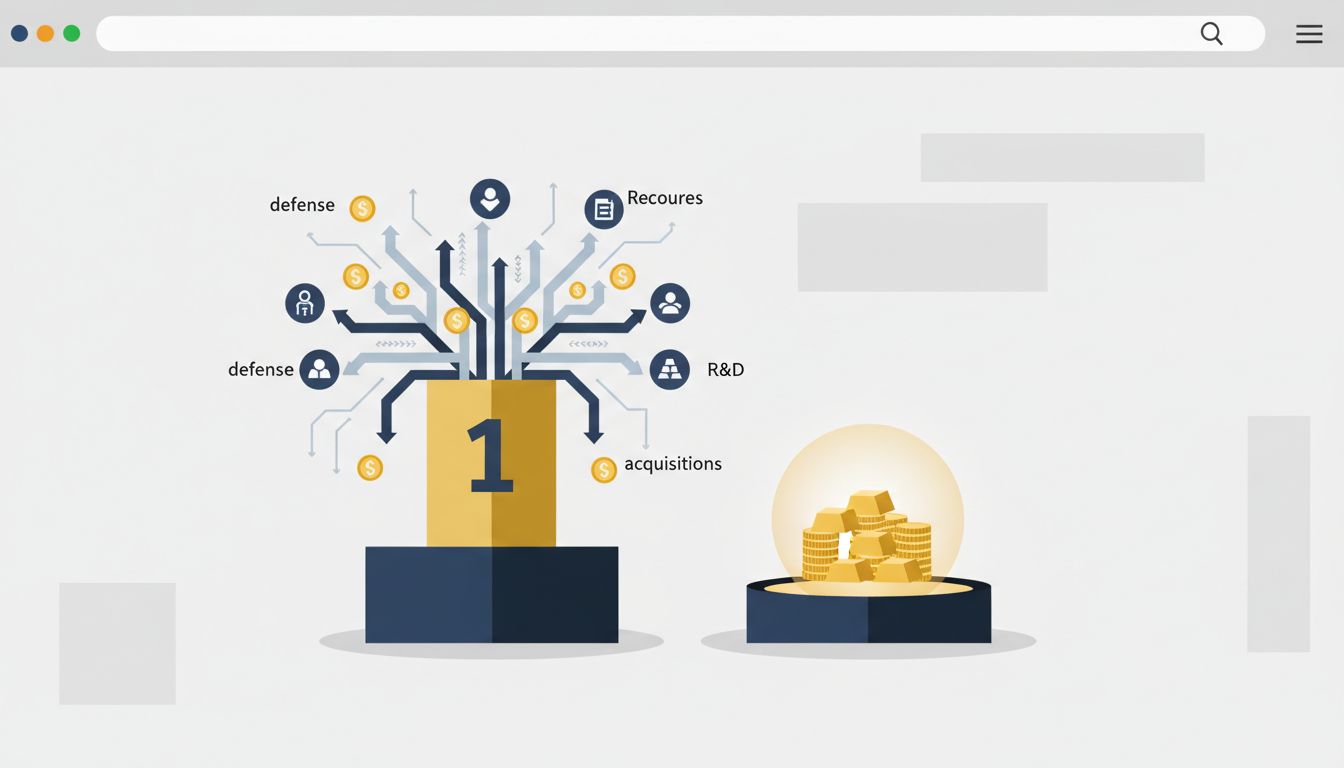
Market leaders spend to stay leaders. The company behind them collects the returns. Here's why the economics of second place are frequently better than first.

Being first gets you attention. Being second gets you the business. Here's why that pattern keeps repeating across tech history.

Market share and profit margin move in opposite directions. The runner-up position isn't a consolation prize — it's often the most strategically enviable seat in the house.

Microsoft lost to Chrome. Then it used that loss to build a more profitable business than Google has in search. The second-place story is more interesting than it looks.

Being first sounds like a competitive advantage. The evidence says otherwise. Here's what the pioneer actually does for the company that follows.

Winning a tech market sounds like the goal. But the economics of dominance often punish the winner and reward whoever finishes second.

AMD never outsold Intel. It didn't need to. The story of how second place became the better business.
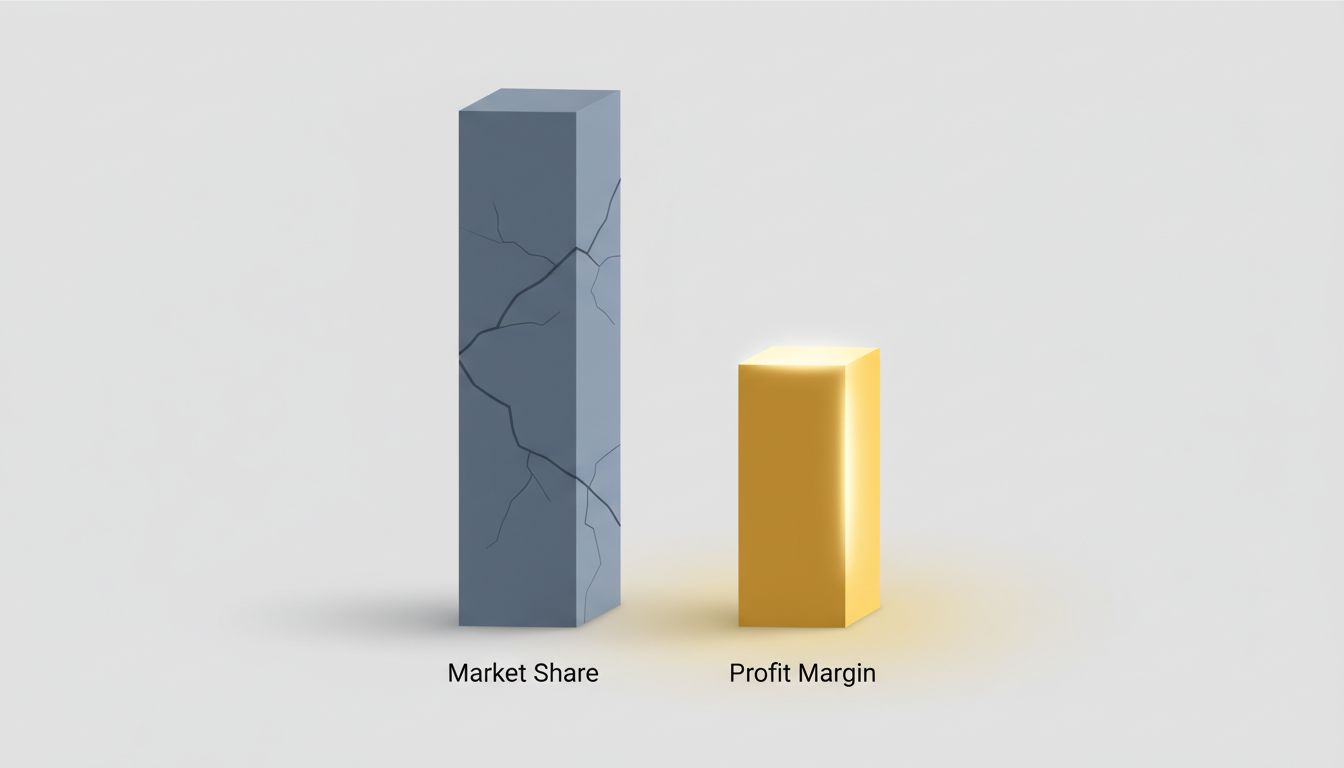
The second-place player in most tech markets faces lower expectations, smaller R&D obligations, and more pricing freedom. AMD's rise explains why.
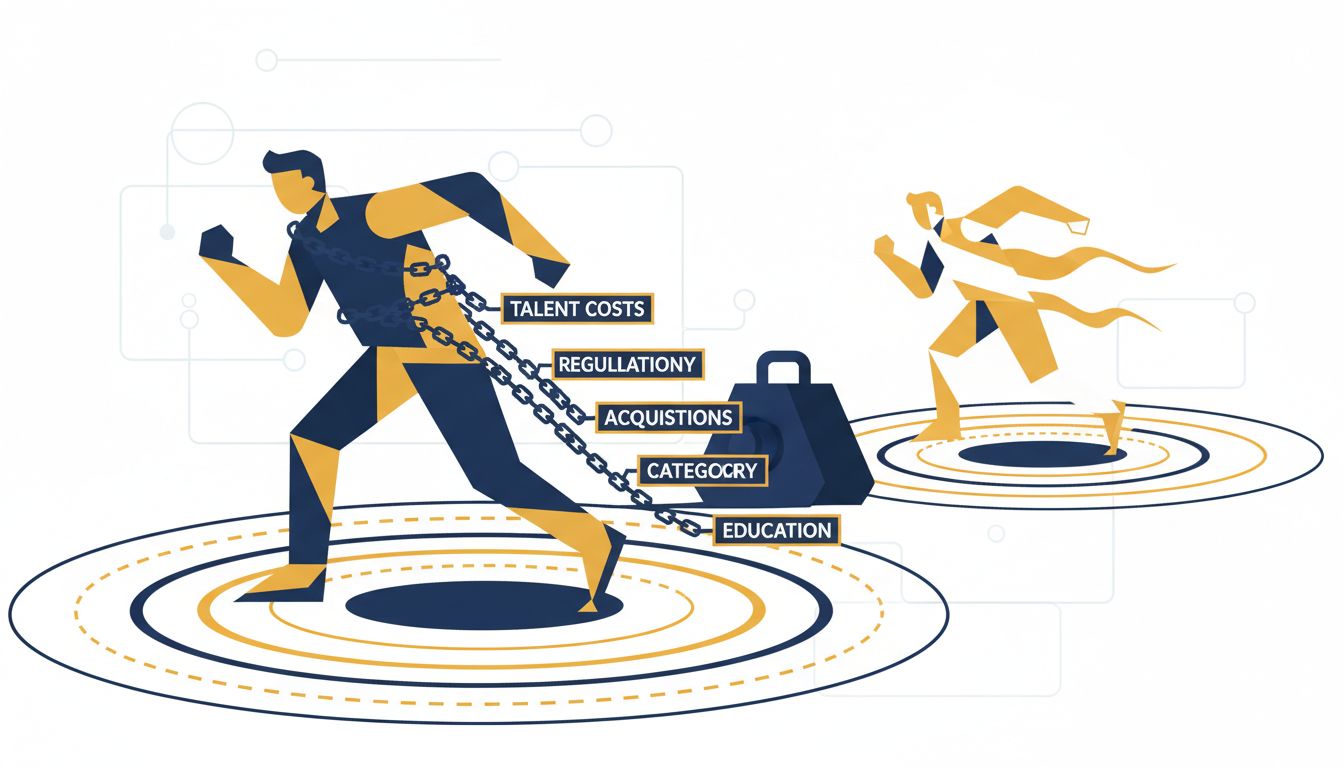
Winning a tech market and profiting from it are different games. The company in second place is often playing the better one.
Join thousands of readers who get our weekly breakdown of the most important stories in technology.
Free forever. Unsubscribe anytime.