
Tech Economics
The Engineer Who Fixes the Bug Rarely Knows Why It Existed
Fixing a bug and understanding it are two different skills. Most engineering culture rewards the first and ignores the second.
The business models, market forces, and financial dynamics driving the tech industry.
Fixing a bug and understanding it are two different skills. Most engineering culture rewards the first and ignores the second.

The gap between what engineers earn and what salespeople earn isn't random. It's a direct consequence of how markets price visibility over impact.

Ask five engineers what a system cost to build and you'll get five different numbers. That's not a rounding error. It's a structural problem with how software cost gets measured.

Technical superiority rarely determines which platform dominates a market. The winners play a different game entirely.

Market leaders set the agenda and pay for it. The second-biggest player collects the rewards without the bill.

The people who maintain the code that runs most of the internet are mostly volunteers. The companies that depend on that code are not.

A product making money is not always a product worth keeping. Here's the cold logic behind why companies shut down software that works.

Market leadership looks great on a press release. It costs a fortune in practice. The economics of being number two are quietly superior.

Speed is measurable. Judgment isn't. That's why companies keep optimizing for the wrong thing when they hire engineers.
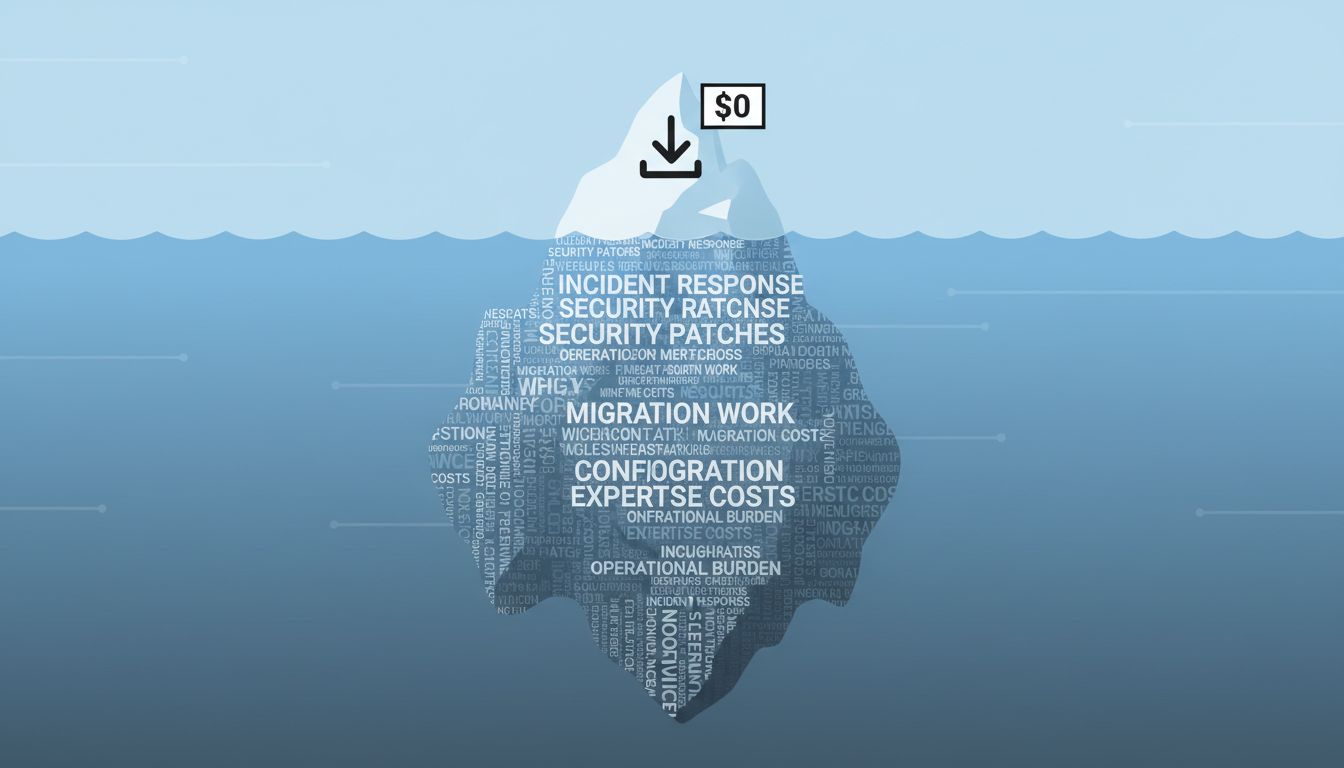
The license costs nothing. The engineering hours, security patches, and operational expertise will cost you plenty. Here's what the download page doesn't tell you.

Hiring the lower-salary engineer feels like saving money. The math usually says otherwise.
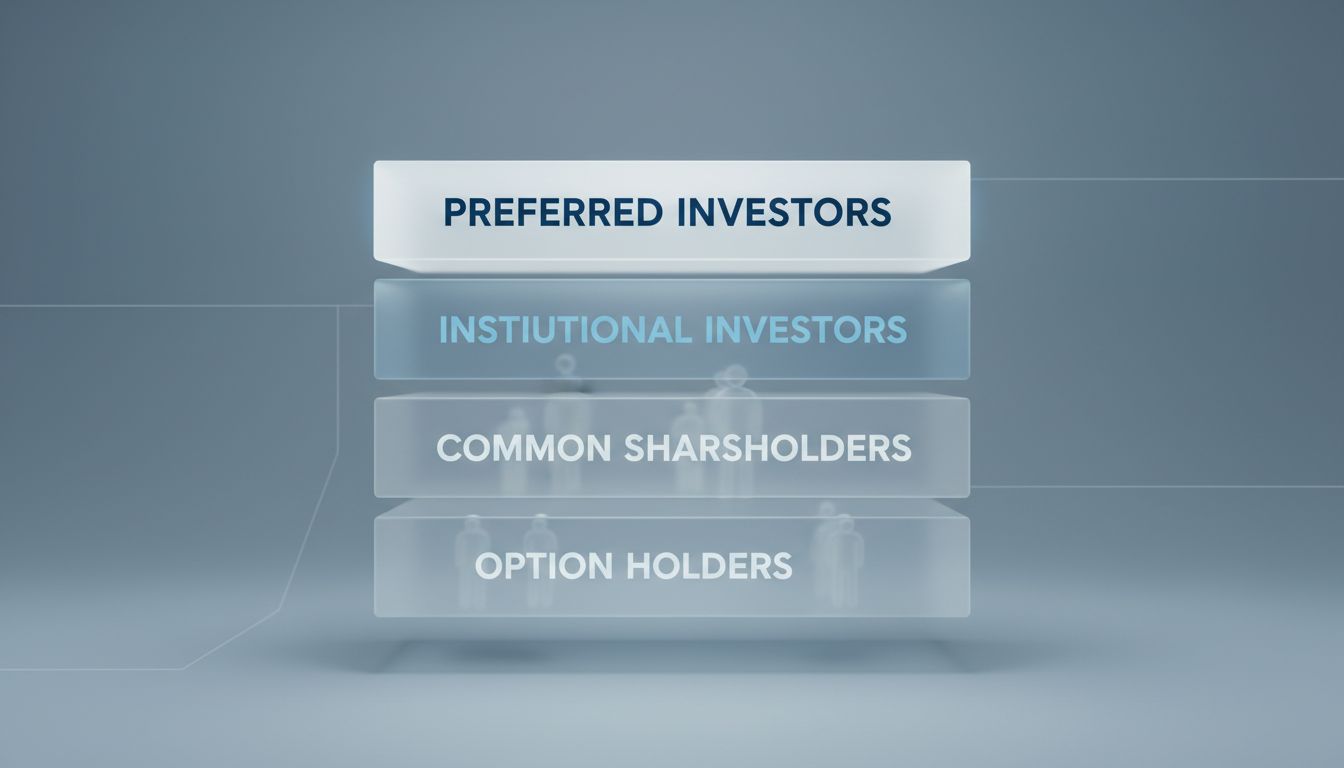
Acqui-hires are structured to reward the acquiring company, not the startup's shareholders. Here's what actually happens to your stake.

Being first earns you a footnote. Being second, with better timing and someone else's proof of concept, often earns you the market.

AMD spent years losing the CPU war. Then it became one of the most profitable chip companies on the planet. The math behind why second place wins.

The engineers who maintain legacy systems earn more than those building greenfield projects. This isn't a market inefficiency. It's the market working correctly.
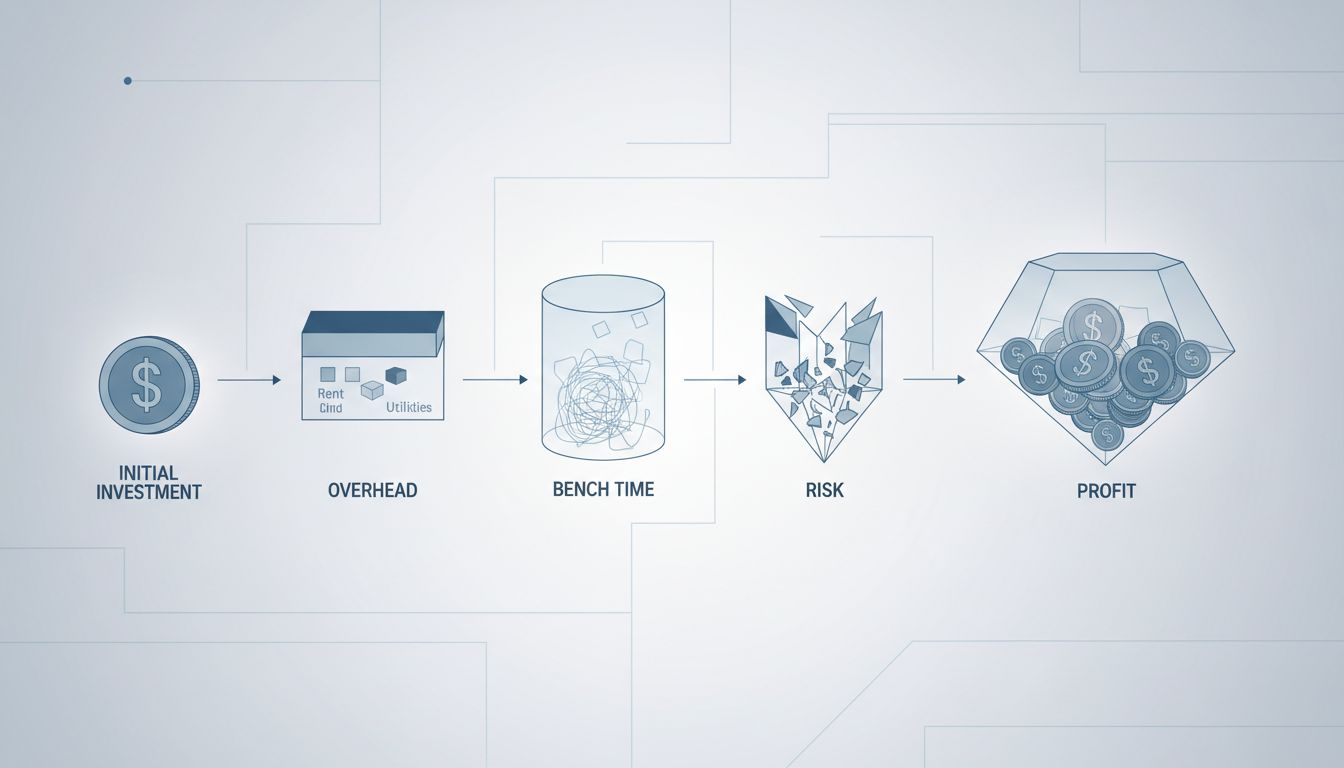
Clients pay six times what a junior engineer earns per hour. That gap isn't greed or inefficiency. It's a rational pricing structure most people misread.

Being first sounds like a massive advantage. Historically, it often isn't. Here's the economics of why followers beat pioneers.

Market leadership sounds like a financial win. The economics behind it often tell a different story.
Join thousands of readers who get our weekly breakdown of the most important stories in technology.
Free forever. Unsubscribe anytime.