The Canceled Meeting Probably Did More Work Than the Kept One
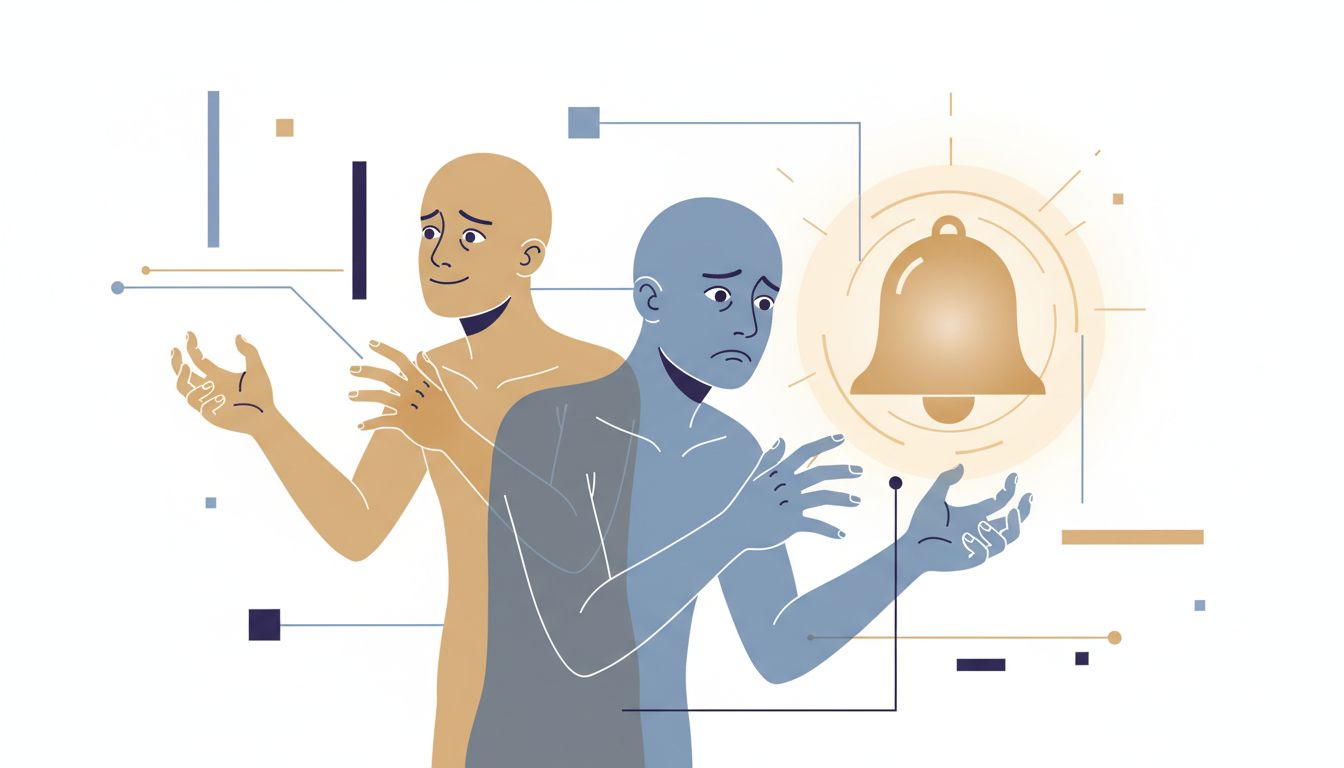
Picture this: a recurring sync is on the calendar for Thursday at 2pm. Tuesday morning, the organizer cancels it. “Nothing urgent this week.” Six people quietly return to their work. By Thursday afternoon, three of the things that would have been discussed in that meeting have been resolved anyway, two through quick Slack threads and one through a document someone finally wrote down.
This is not a coincidence. It is a pattern, and it reveals something uncomfortable about how meetings actually function in most organizations.
What Meetings Are Actually Doing
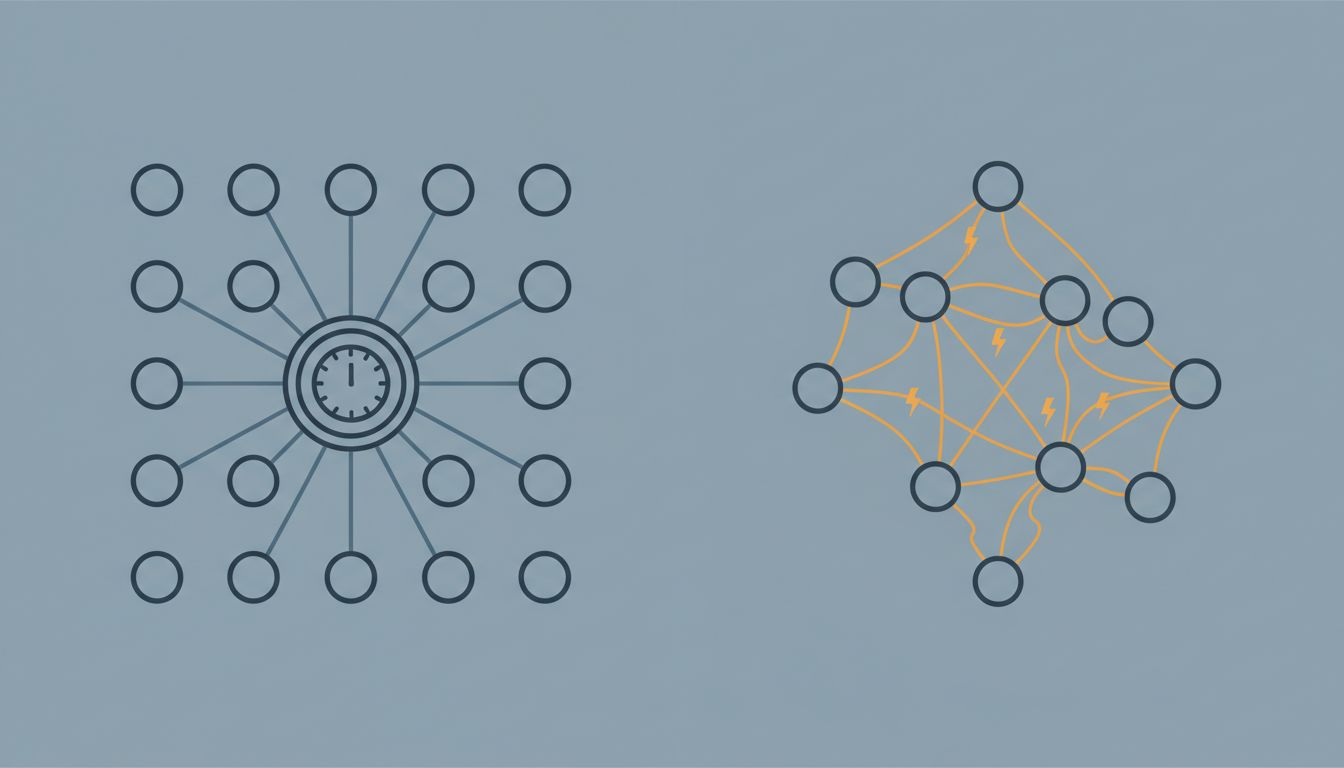
A meeting is a synchronization mechanism. In distributed systems terms, it forces all nodes to reach a consistent state at a specific point in time. That is sometimes exactly what you need. If you’re deploying a breaking API change and five teams need to coordinate their release windows, synchronous alignment has real value. The consistency requirement is genuine.
But most meetings aren’t that. Most meetings are what engineers would call a polling loop: a fixed interval check on state that may or may not have changed. Every Thursday at 2pm, we poll each other. “Has anything changed? Has anything changed? Has anything changed.” The loop runs regardless of whether there’s new state to sync.
A well-designed system doesn’t poll on a fixed schedule when it can use event-driven notifications instead. You only transmit when there’s something to transmit. The calendar-centric meeting culture is the polling loop version of organizational communication, and it carries all the same inefficiencies: wasted cycles, unnecessary latency introduced for things that could have been resolved asynchronously, and a structural dependency on a central coordination point that becomes a bottleneck.
Why Cancellation Creates Work
When you cancel a meeting, you don’t cancel the underlying need. You just remove the designated resolution point. This matters because most people will find a path to resolution anyway, and the paths they find are often more efficient.
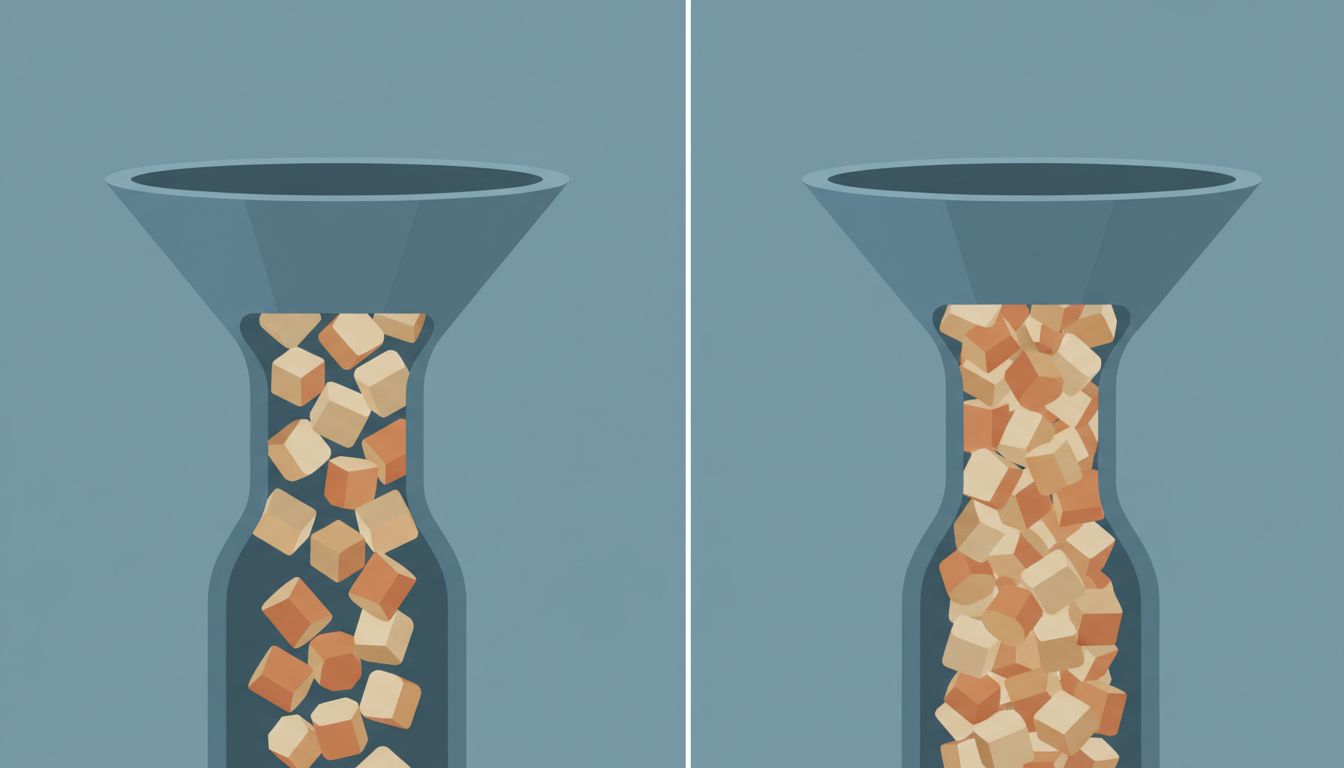
Here’s the mechanism: a standing meeting creates what you might call a deferral magnet. Questions that could be answered today get parked until Thursday because “we’ll just cover it in the sync.” Decisions that one person could make get escalated because there’s a convenient forum for escalation coming up. The meeting doesn’t just capture work, it causes work to accumulate and age.
When the meeting disappears, that accumulated work has no home. People are forced to either resolve it immediately through direct communication or recognize that it didn’t actually need resolution at all. Both outcomes are useful. The first produces faster answers. The second eliminates waste.
This is not theoretical. Teams that do calendar audits consistently find that removing recurring meetings doesn’t create unresolved backlogs, it surfaces which discussions were genuinely necessary and which were just filling the slot. The ones that were genuinely necessary find other forms. The ones that weren’t, disappear. How one team reclaimed focus by auditing its calendar covers this dynamic in some depth.
The Status Meeting Is the Worst Offender
Not all meeting types fail equally. A working session where three engineers are actually writing code together, or a whiteboard session where an architecture decision is genuinely being made in real time, those have synchronous value. The participants need to be present because the work is interactive.
Status meetings don’t have that property. A status meeting is information transfer: person A learns what persons B, C, and D have been doing. That information transfer has no inherent need for synchrony. It could be a written document. It could be a dashboard. It could be nothing, if the information isn’t actionable.
The reason status meetings persist isn’t that they’re the best way to transfer this information. It’s that they create a visibility performance. People feel seen. Managers feel informed. There’s a legible ritual of oversight that everyone can point to. The meeting is doing social and political work, not informational work, and that’s fine to acknowledge, but you should know that’s what you’re paying for when you put a dozen people in a room for an hour.
The substitution test is useful here: if you could get the same information from a well-structured async update, but you still prefer the meeting, you’re choosing the social ritual. That’s a legitimate choice. It’s just not a productivity choice.
What Good Cancellation Looks Like
There’s a difference between canceling a meeting well and just not showing up. Canceling well means making the underlying need explicit so it can be handled a different way.
If a weekly sync exists to make decisions, the cancellation message should say: “We have two pending decisions, here they are, please comment on the doc by EOD Wednesday and I’ll send the outcome Thursday morning.” The work doesn’t evaporate, it routes differently.
If the sync exists to share status, the cancellation message should say: “Please post your updates in the channel by Thursday, same as we’d cover in the meeting.” This forces the question of whether anyone reads those updates. If they do, you didn’t need the meeting. If they don’t, the meeting wasn’t producing the awareness you thought it was.
This is where the idea that canceled meetings should have been documents intersects with the deeper point here: documents are not just a replacement medium. They force precision. When you have to write a decision down rather than talking through it verbally, the fuzziness that verbal discussion tolerates becomes visible. You discover that you didn’t actually have a decision, you had a feeling about a decision. That discovery is valuable, and meetings often hide it.
The Kept Meeting Should Justify Its Cost
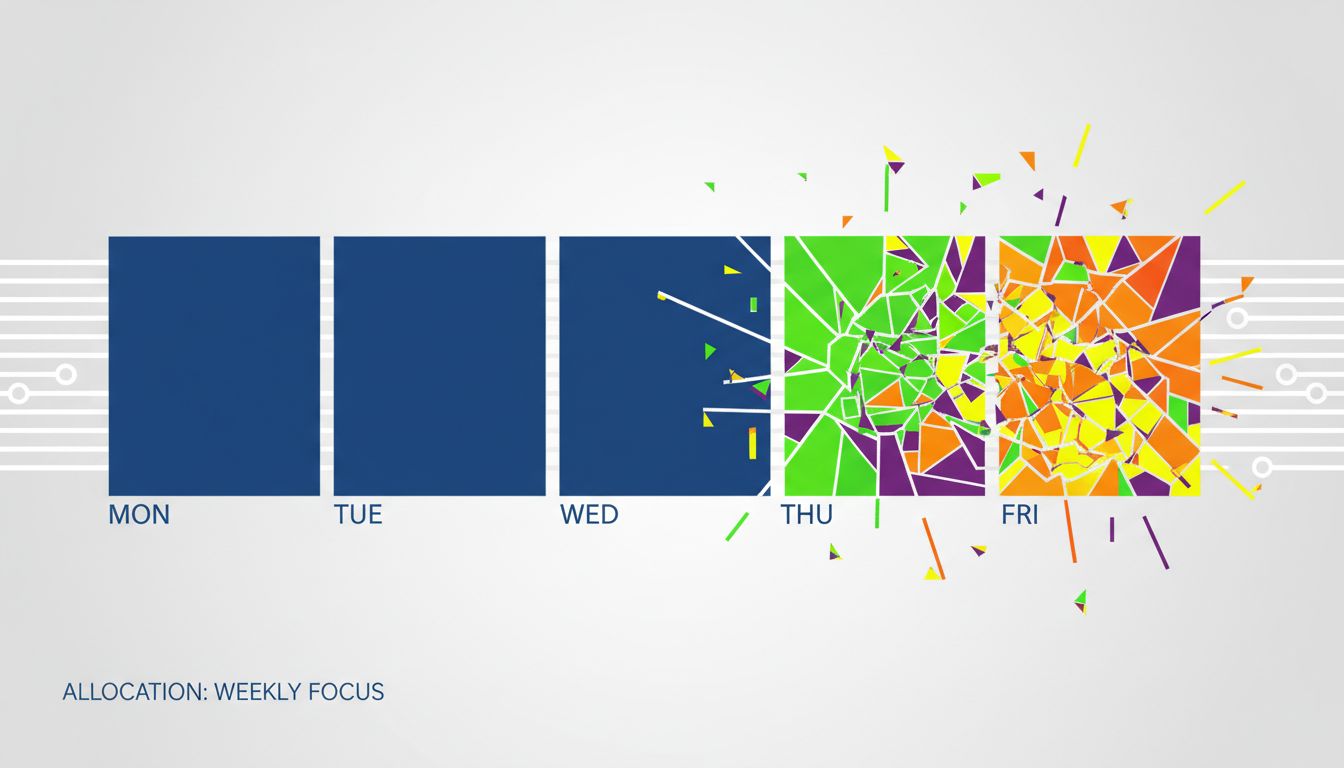
Every meeting has a real cost that’s easy to undercount. An hour meeting with eight people costs eight hours of focused work time, but it also costs the context switching on either side of it. If your peak cognitive hours are 9am to noon and you have a meeting at 10:30, you don’t get the morning, you get two 90-minute fragments with a gap in the middle. Fragmented time doesn’t compound the way deep work does.
The meeting you decide to keep should pass a basic cost-benefit test: is the value of synchronous coordination greater than the sum of interrupted focus for everyone in the room? For a working session with the right three people building something together, yes. For a status sync of twelve people half of whom are on mute, almost certainly not.
There’s also the question of who the meeting is actually for. A meeting that’s genuinely useful for two people but merely informational for the other six is a two-person meeting with six observers who could have read an email. Breaking that into a smaller working meeting plus an async summary respects everyone’s time without hiding the information.
The Calendar as a System Under Load
Engineers often reason about systems under load: what happens when the queue fills up, when requests back up, when latency compounds. A calendar that’s 70% meetings is a system under sustained high load with no slack for handling unexpected demand. When something urgent appears, there’s nowhere to put it without displacing something else or asking someone to context-switch at the worst possible moment.
Slack in a system isn’t waste. It’s capacity for handling variance. A calendar with protected deep-work blocks is a calendar that can absorb urgency without degrading. The meetings you cancel are not just removing cost, they’re restoring slack.
The inverse is also true. When a team’s calendar is so dense that canceling anything feels like a risk (“but what if something falls through the cracks?”), that’s not evidence that all the meetings are necessary. It’s evidence that the team has built a dependency on meetings as a safety net rather than on good async communication habits. The solution is better async, not more meetings.
What This Means
The case here isn’t that meetings are bad. It’s that most organizations default to synchronous coordination far more often than the work actually requires it, and the cost of that default is paid in fragmented focus, delayed decisions, and organizational overhead that compounds as teams grow.
The meeting you canceled probably did more work because cancellation forced the work to find its natural form. Some of it became short direct messages. Some became documents. Some became decisions made by individuals who realized they had the context and authority to just decide. And some of it turned out to be noise that didn’t need to exist at all.
That distribution is useful information about how your team actually functions. Pay attention to it. Run the experiment deliberately: cancel something, tell people why, route the underlying need explicitly, and observe what happens. You will almost certainly find that less falls through the cracks than you expected, and that the things that do fall through point to real gaps in communication structure rather than in meeting frequency.
The meeting you kept should be able to tell you why it deserved to stay.