The Notification Is Not Neutral
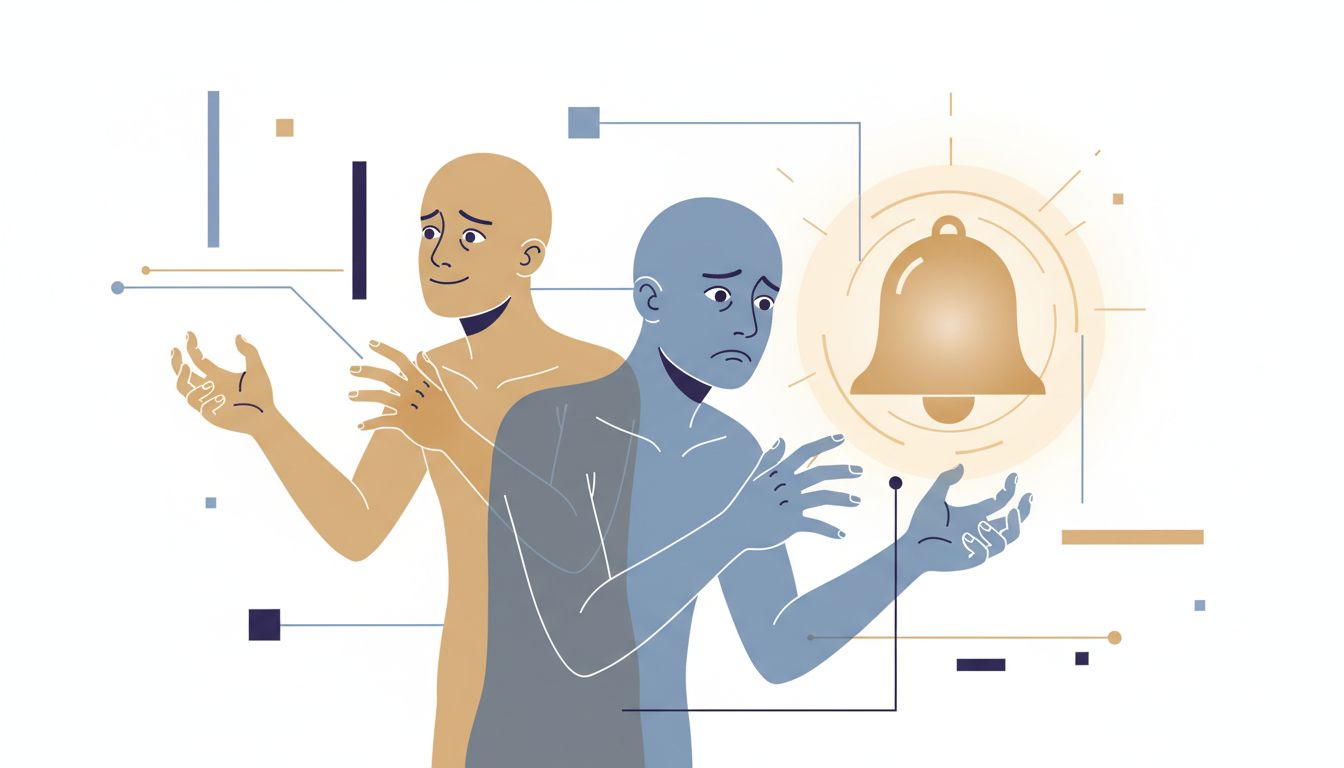
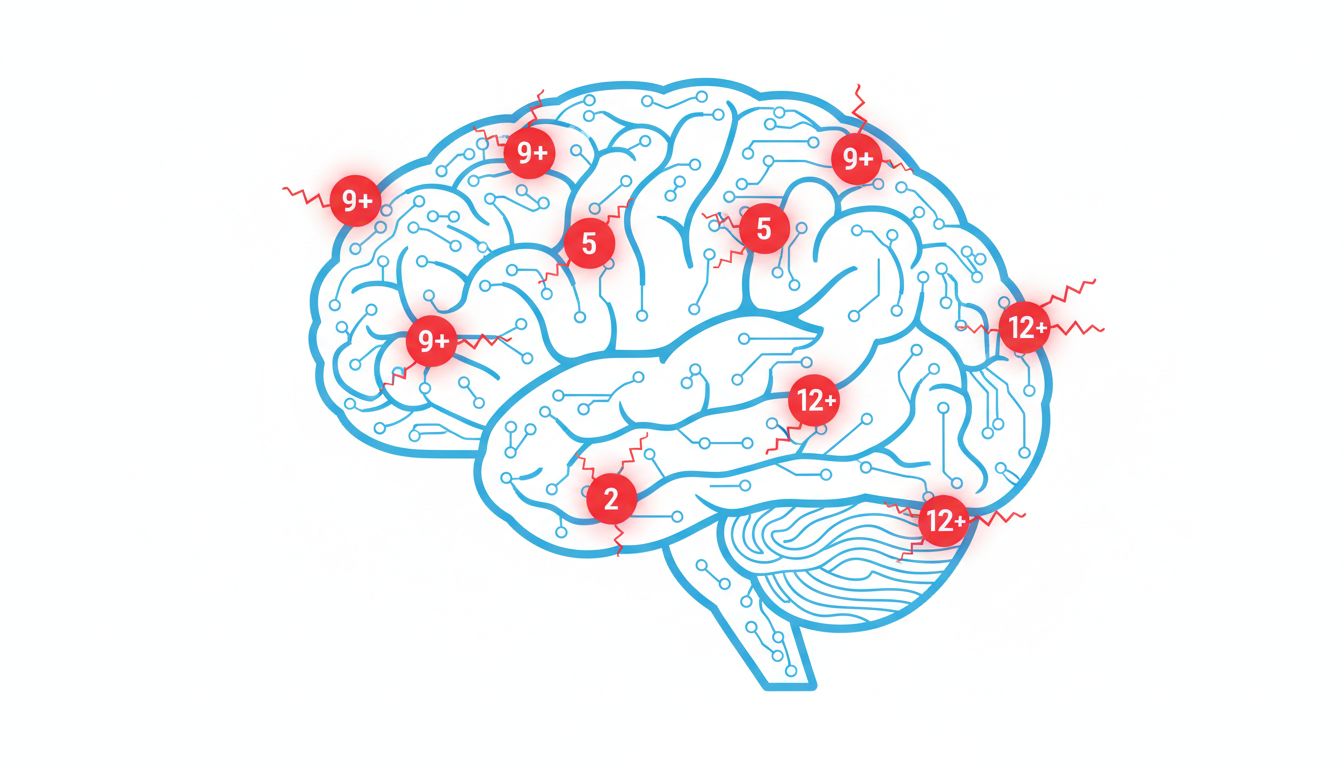
Every time your phone buzzes or a badge appears in the corner of your screen, something specific happens in your brain: you stop evaluating your own priorities and start responding to someone else’s. That shift feels trivial in the moment. It’s not.
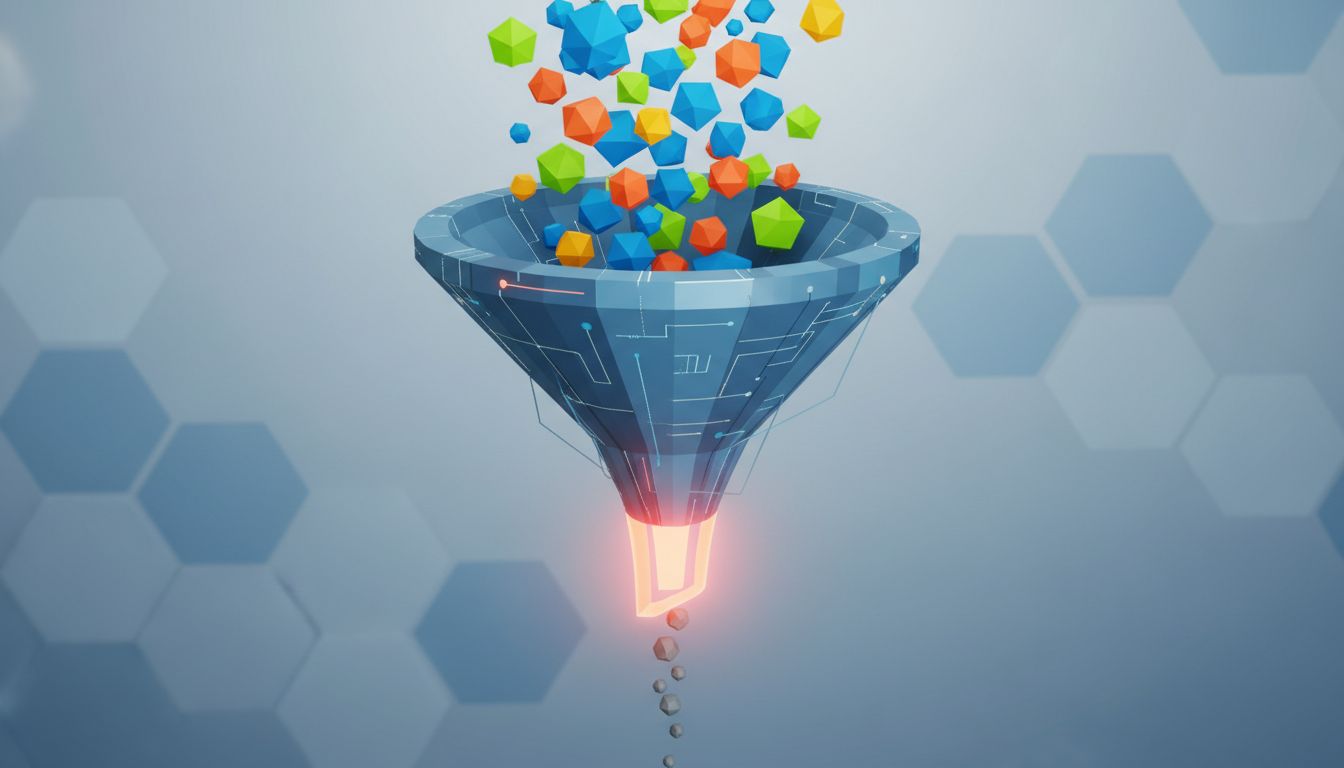
We tend to think of notifications as alerts, as though their job is simply to inform us that something happened. But they’re not built for information delivery. They’re built for behavioral redirection. The teams that design notification systems optimize for engagement, not for your ability to do meaningful work. As the engineering behind those systems shows, every element, timing, copy, badge color, sound, is tuned to create a sense of urgency that compels you to tap.
The result is that your attention, over the course of a working day, gets handed over to whichever app was most aggressive about claiming it.
What Focus Actually Requires
Focus is not a switch you flip. It’s a state you build gradually, and it’s much more fragile than most productivity advice acknowledges.
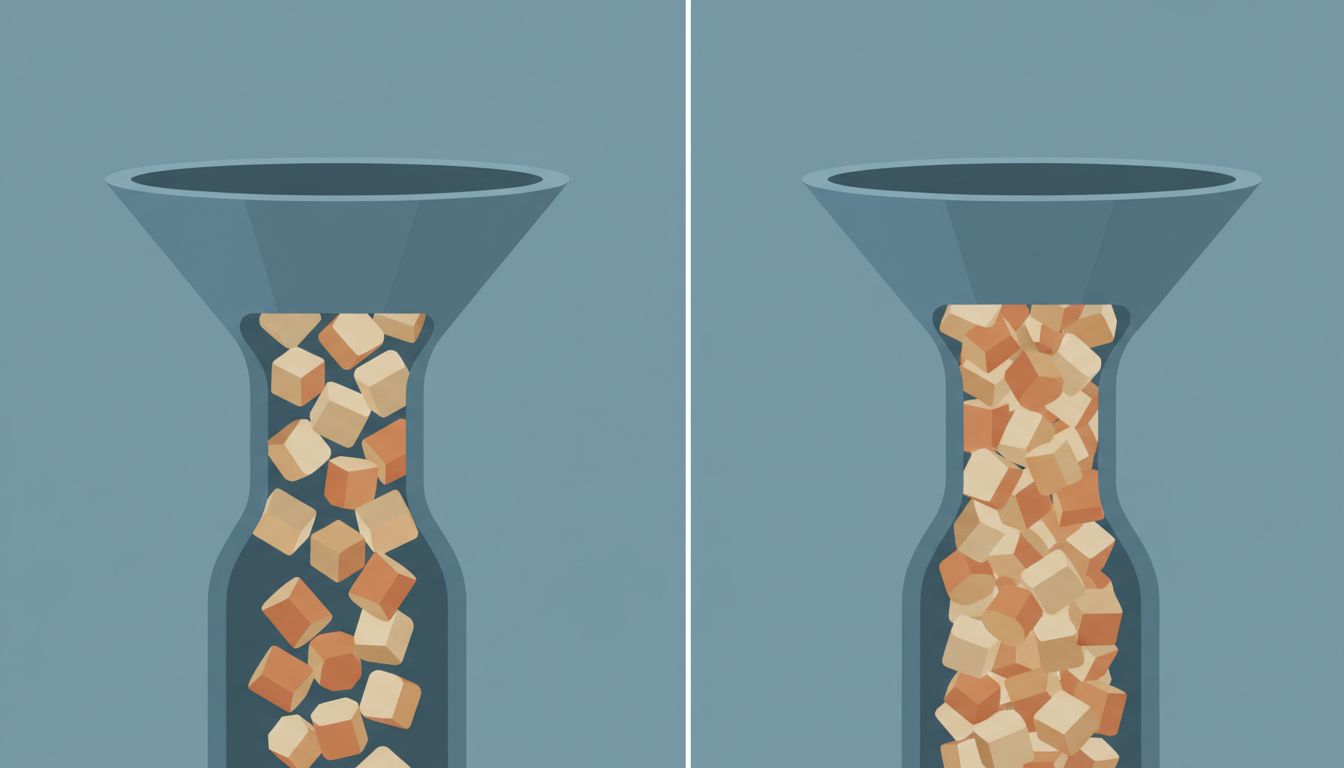
Researchers studying interrupted work have found that recovering full cognitive engagement after a distraction takes considerably longer than the interruption itself. The cost isn’t just the 30 seconds you spend reading a Slack message. It’s the several minutes after that where part of your attention is still looping back to what you just read, evaluating it, deciding whether to act on it, and then slowly rebuilding the mental scaffolding for the task you were doing before.
For complex work, that scaffolding is the expensive part. When you’re deep in a technical problem, designing a system, drafting an argument, or working through a difficult decision, your brain is holding a lot of context in working memory. That context is easy to spill and slow to reconstruct. Interruptions don’t just pause the work. They undo a portion of it.
This is why the total time you spend on a task is a poor measure of its cognitive cost. You might spend three hours on a piece of writing and produce something shallow, not because you lacked the ability, but because you were interrupted enough times that you never reached the depth where the good work happens.
How Notification-Driven Work Reshapes Your Habits
Here’s the part that gets underappreciated: chronic interruption doesn’t just cost you time in the moment. It rewires what you expect from your own attention.
When you spend months responding to notifications as they arrive, you train yourself to work in short bursts. Your brain adapts. It stops attempting to hold large, complex problems because it has learned (correctly, based on recent experience) that it won’t be left alone long enough to make progress on them. You start gravitating toward tasks that can be completed in five or ten minutes, tasks small enough to survive an interruption. Clearing email. Responding to messages. Reviewing quick documents.
Those tasks feel productive. They generate the satisfying sensation of completion. But finishing small tasks at the expense of larger ones has a real cost to your output that’s easy to miss because the feedback loop is so delayed.
The deeper problem is that this shift can feel like preference. You might genuinely come to dislike deep work, not because it’s inherently unpleasant, but because your tolerance for the initial discomfort of sustained focus has atrophied. The first ten minutes of concentrated work are often uncomfortable. If you’ve trained yourself to escape that discomfort every few minutes, sitting with it starts to feel unbearable.
The Priority Inversion Problem
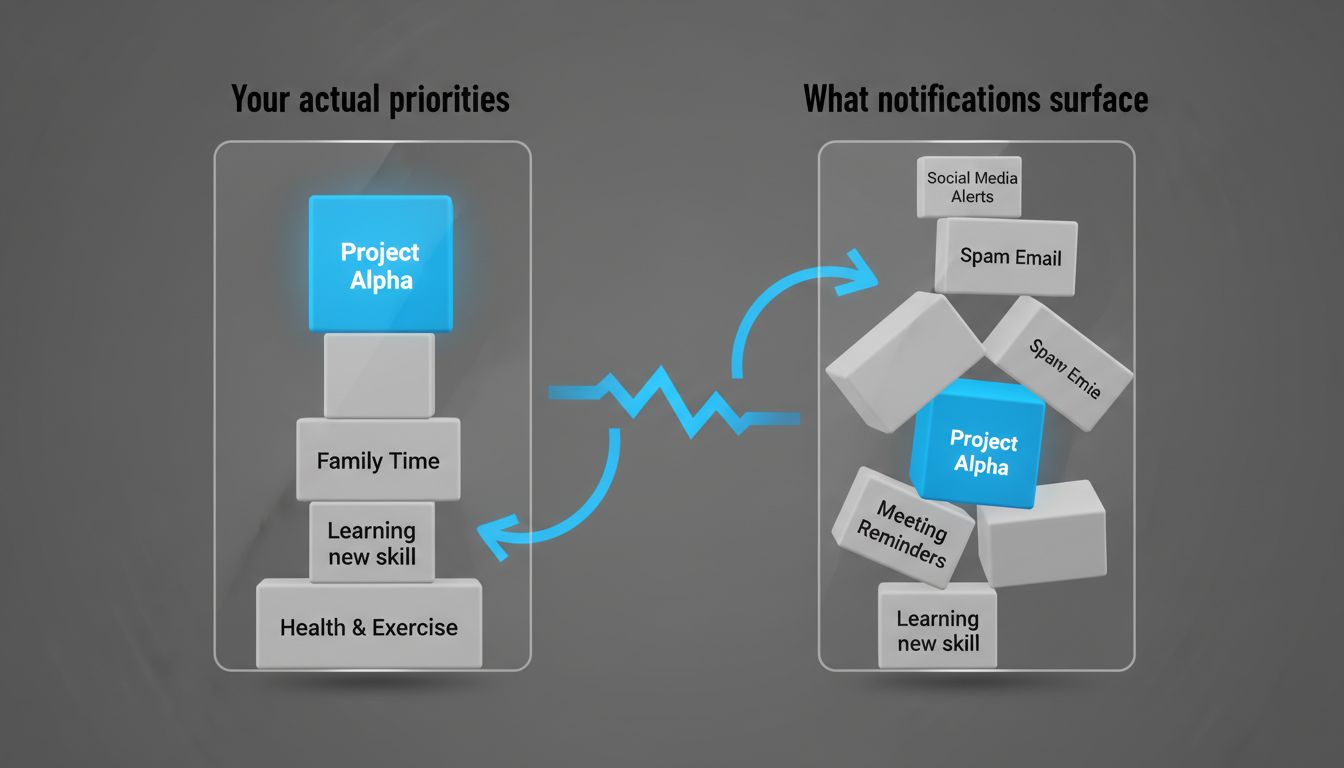
Notification systems have a structural bias that makes this worse. The things that notify you most aggressively are almost never your most important work.
Your most important work, the thing that would most move the needle on what you’re actually trying to accomplish, usually comes without a notification. It sits in a document, a codebase, a problem statement. It waits patiently while your calendar fills up and your inbox demands responses.
Meanwhile, the noisiest systems in your life are usually the ones with the most active users generating the most events. Chat platforms, social media, email, project management tools with liberal notification defaults. The volume of pings you receive from any given system is roughly proportional to how many people are using it and how many events it tracks, not how important those events are to you.
This creates a consistent inversion: the urgent crowds out the important, not because anyone consciously decided that’s how your day should be structured, but because urgency is loud and importance is quiet. You end up optimizing for responsiveness to other people’s timelines instead of progress on your own.
What Happens to Judgment When You’re Constantly Reactive
There’s a secondary effect that gets less attention: the quality of your decision-making degrades when you’re always in reactive mode.
Good judgment requires some mental distance from the immediate. It requires you to hold competing ideas, consider second-order effects, and resist the pull of whatever feels most pressing right now. That kind of thinking is very hard to do when your attention is being redirected every few minutes.
Instead, you start making decisions that are locally reasonable but globally poor. You respond to the message that just arrived instead of thinking about whether you should respond at all. You approve the quick request because declining would require a longer conversation you don’t have time for. You make small concessions repeatedly, each one defensible in isolation, without ever stepping back to ask whether the pattern they add up to is what you actually want.
This is a form of cognitive debt. Every time you let an incoming notification set your agenda, you’re borrowing against your capacity for deliberate thinking. The interest compounds quietly.
Taking the Control Back
The good news is that this is a solvable problem, and the solution is less dramatic than most productivity frameworks suggest.
Start with defaults. Most apps ship with notifications on. That’s not because you need to be notified about everything. It’s because more notifications drive more engagement. Your job is to treat every notification permission as a question: does this app have a legitimate claim on my attention, right now, without my consent? Most of them don’t. Turn them off by default and turn them on only when you have a specific reason.
Next, separate communication from deep work at the time level, not just the task level. Checking messages twice a day is a policy many people find works well once they’ve adjusted. The anxiety that comes with that approach is real at first, but most of it turns out to be anticipatory rather than based on actual emergencies. Almost nothing that comes through a chat app requires a response within the hour.
For the notifications you do keep, change the mode. Banners that interrupt you are categorically different from badges you check on your own schedule. A badge on your email app doesn’t pull your attention; it waits for you to come to it. That distinction sounds small and changes a lot.
Finally, rebuild your tolerance for discomfort. Deep work feels uncomfortable early because starting is hard and distraction is easy. If you’ve conditioned yourself to escape that discomfort immediately, you need to deliberately practice sitting with it. Start with 25-minute blocks and build up. The discomfort doesn’t disappear, but it becomes familiar enough to push through, and what’s on the other side of it is the work you actually want to be doing.
What This Means
Letting notifications set your priorities isn’t a minor inefficiency. It’s a systematic handover of your attention to systems that are explicitly designed to claim as much of it as possible. Over time, this reshapes your habits, degrades your judgment, and creates a kind of focus debt that makes the work you care about feel harder and less rewarding than it should.
You’re not going to solve this with a better to-do app or a morning routine. You solve it by making an explicit decision about who gets to redirect your attention, and under what circumstances. That decision, made once and then enforced with some consistency, is worth more than most productivity systems combined.