
AI & Software
AI Trained on Its Own Output Will Eat Itself
When models train on AI-generated text, small errors compound into something worse than noise. This is a structural problem, not a data hygiene issue.

Priya Sharma is a productivity expert and technology writer who helps people work smarter with the tools they already have. A former product manager, she understands both the design thinking behind digital tools and the real-world workflows that make them useful.
When models train on AI-generated text, small errors compound into something worse than noise. This is a structural problem, not a data hygiene issue.
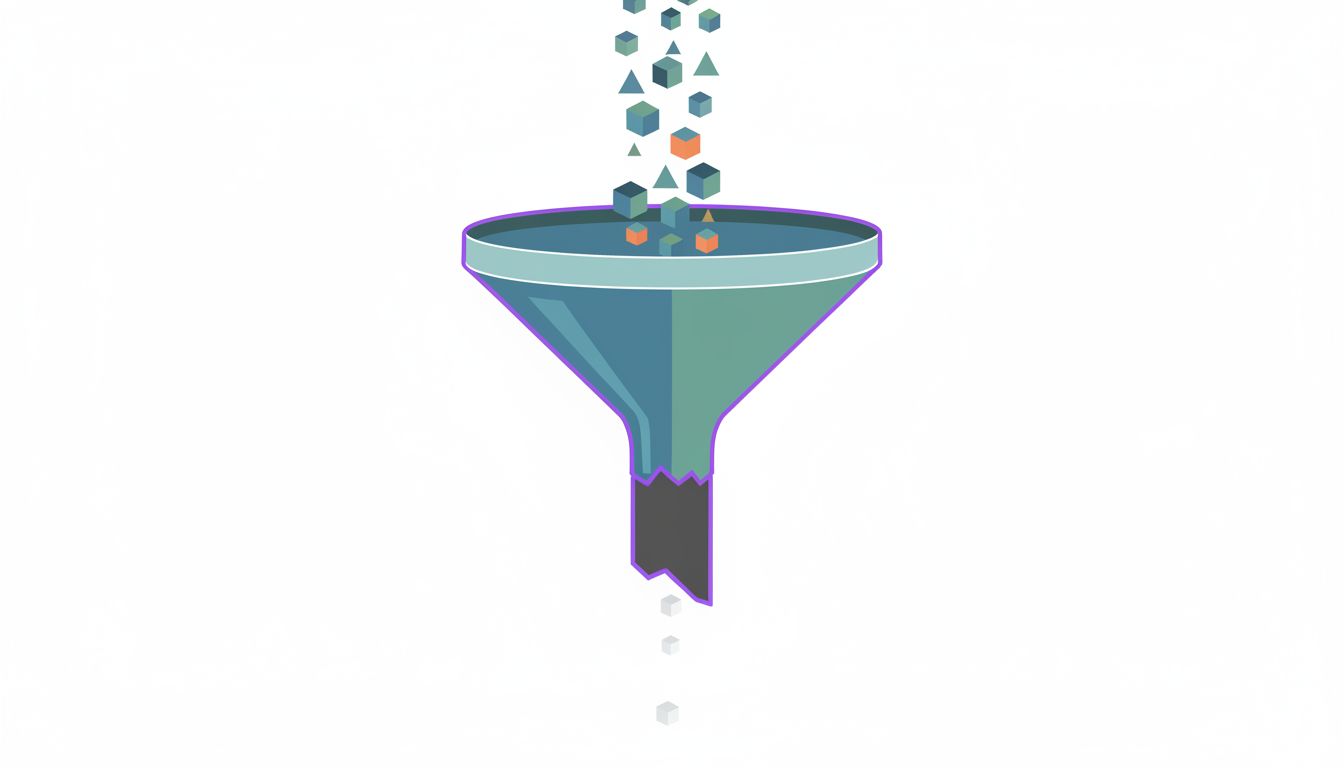
The friction in your productivity system is asymmetric. Adding takes one second. Finishing takes everything else.
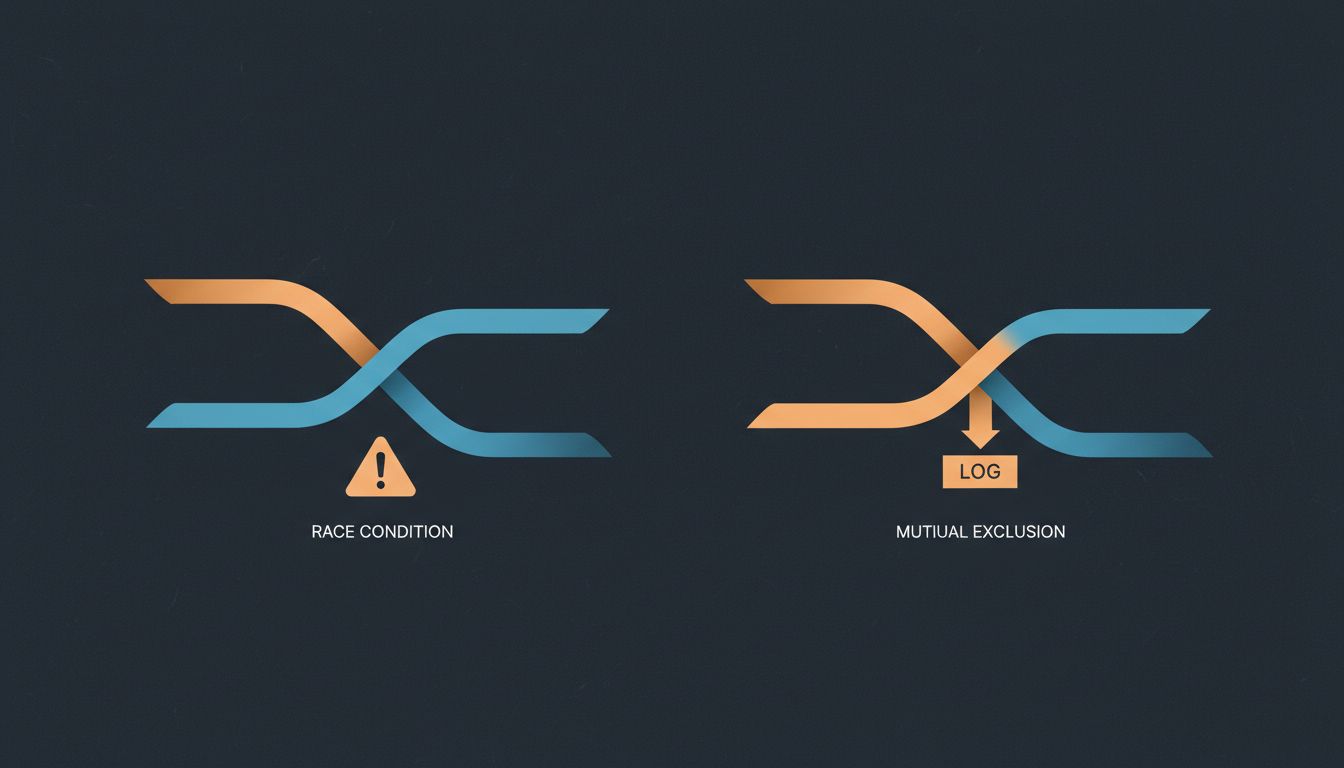
Some bugs vanish the moment you try to observe them. This isn't magic — it's physics, timing, and a category of errors that your debugging tools can actively hide from you.
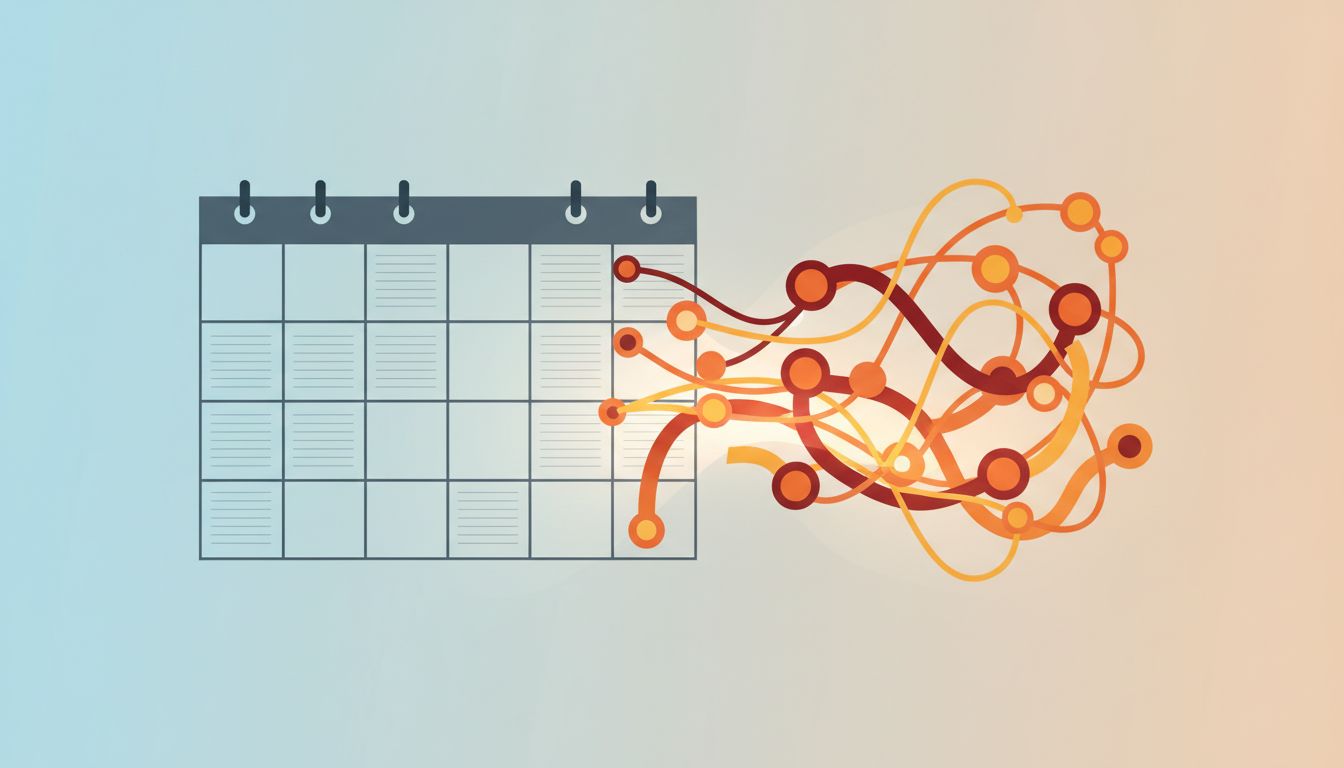
The most productive conversations at work don't appear on any calendar. Here's what that means for how you structure your day.

A bug fix feels like progress. Sometimes it is. Sometimes it quietly breaks the three things that were working around the bug you just removed.

The productivity cost of context switching isn't measured in minutes. It's measured in the quality of thought you never get to finish.

Spotify's recommendation engine didn't start with listening habits. It started with text. That choice reveals what embeddings actually are.

Adding more information to your AI prompts seems like it should help. Often it makes things noticeably worse. Here's the mechanics of why.

You completed the work. But until you formally close the task, your brain hasn't. That gap is costing you more than you think.
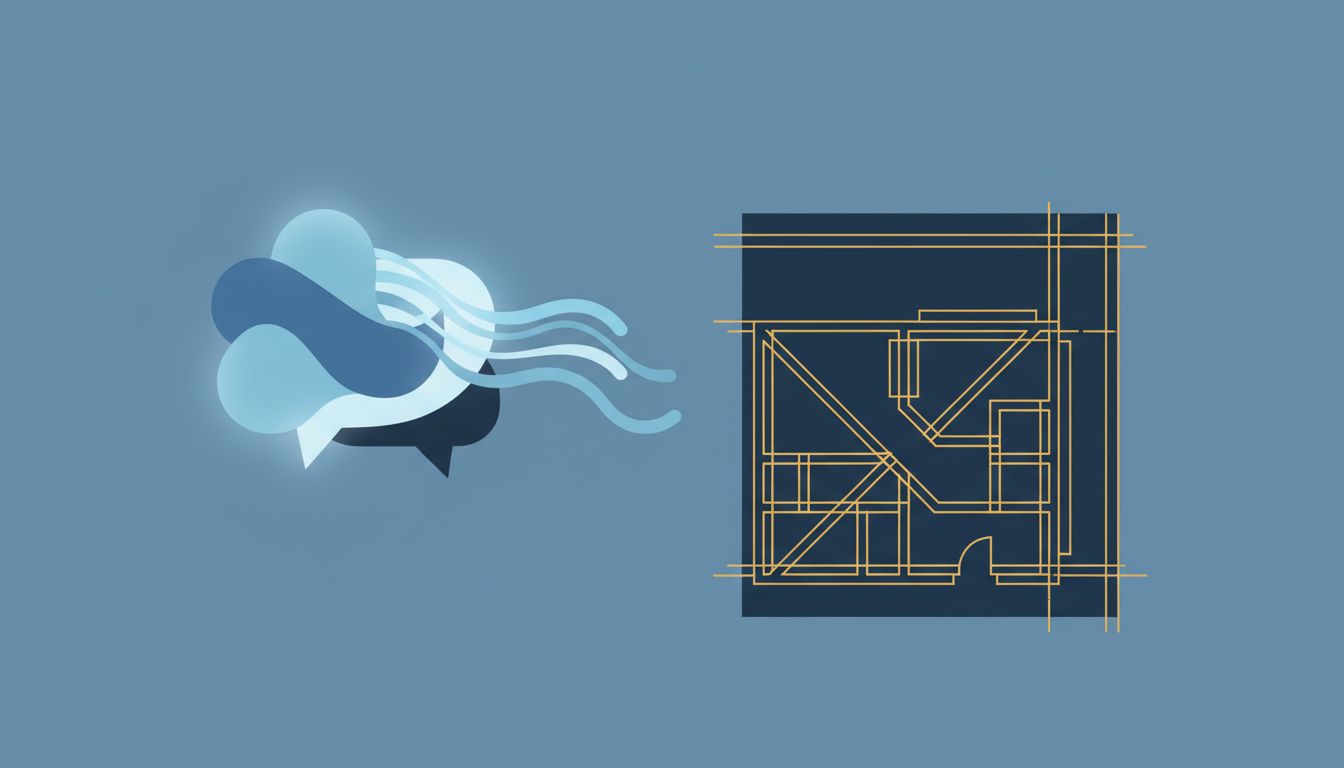
Most AI output problems aren't model failures. They're prompt failures. Here's how to stop blaming the tool and fix the actual problem.
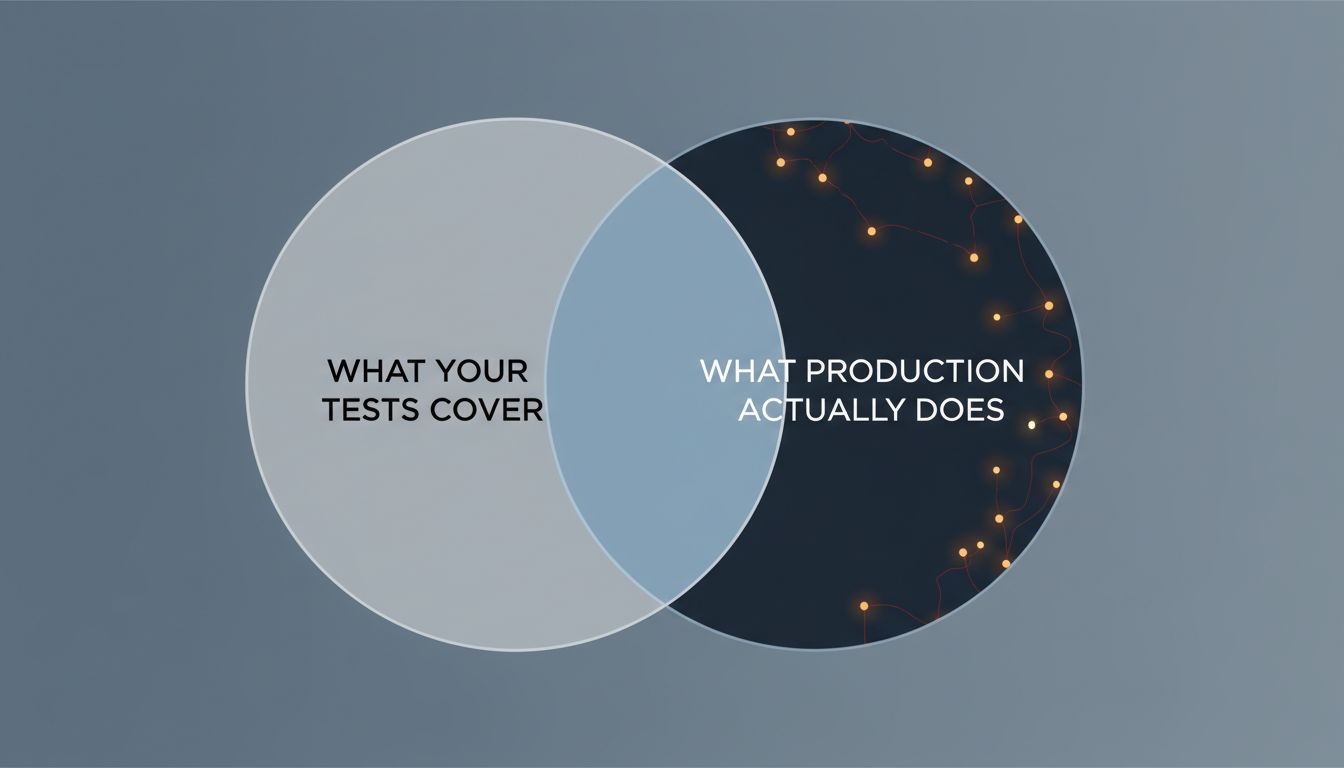
When a bug only appears in production, it's not bad luck. It's a signal that your test suite is modeling the wrong world.

Starting a project feels good because your brain rewards the plan, not the work. Here's what that means for how you should be planning.

Some bugs vanish the moment you look for them. That's not a coincidence — it's a signal about how your mental model of software is wrong.
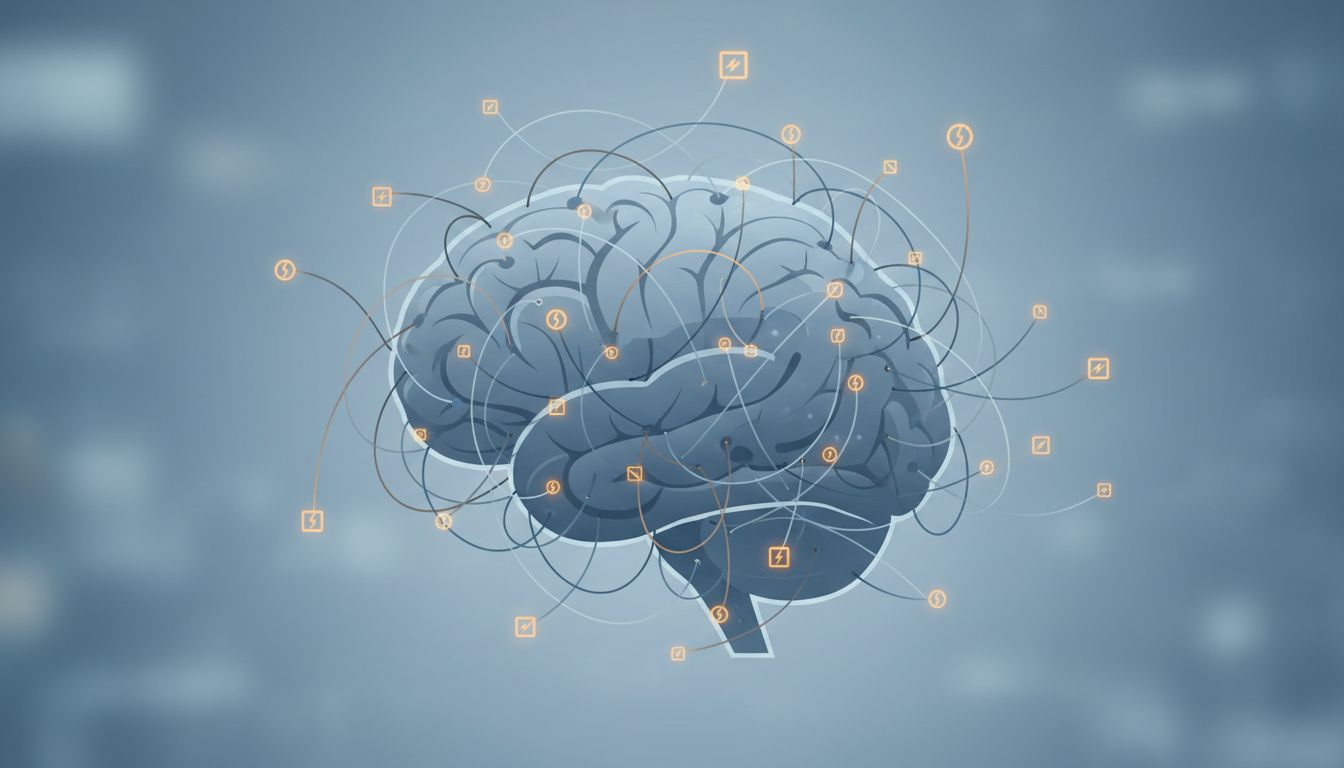
Dismissing a notification doesn't clear it from your head. Here's the cognitive science of why, and what to actually do about it.
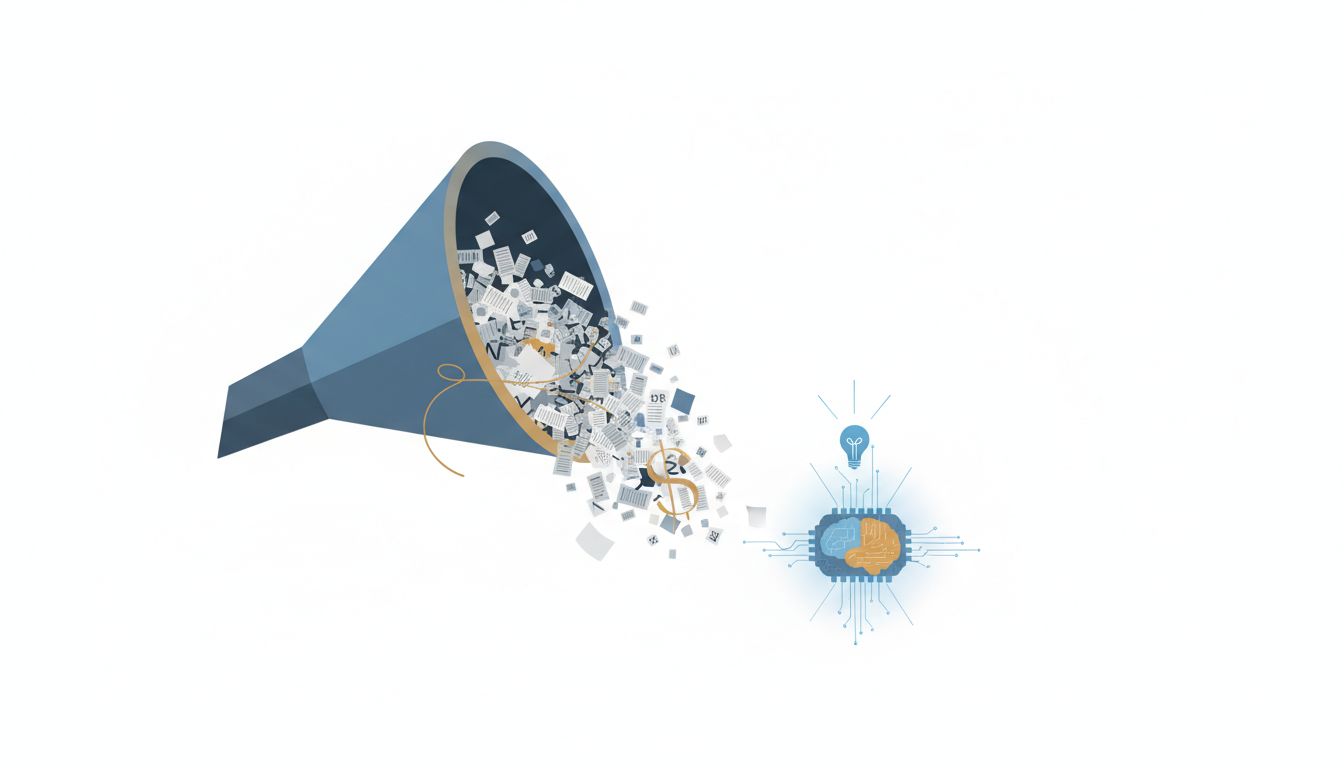
Most teams treat LLM context windows like RAM and wonder why costs explode. Here's what's actually happening and how to fix it.

AI writing tools are getting better at finishing your sentences. That's exactly the problem.
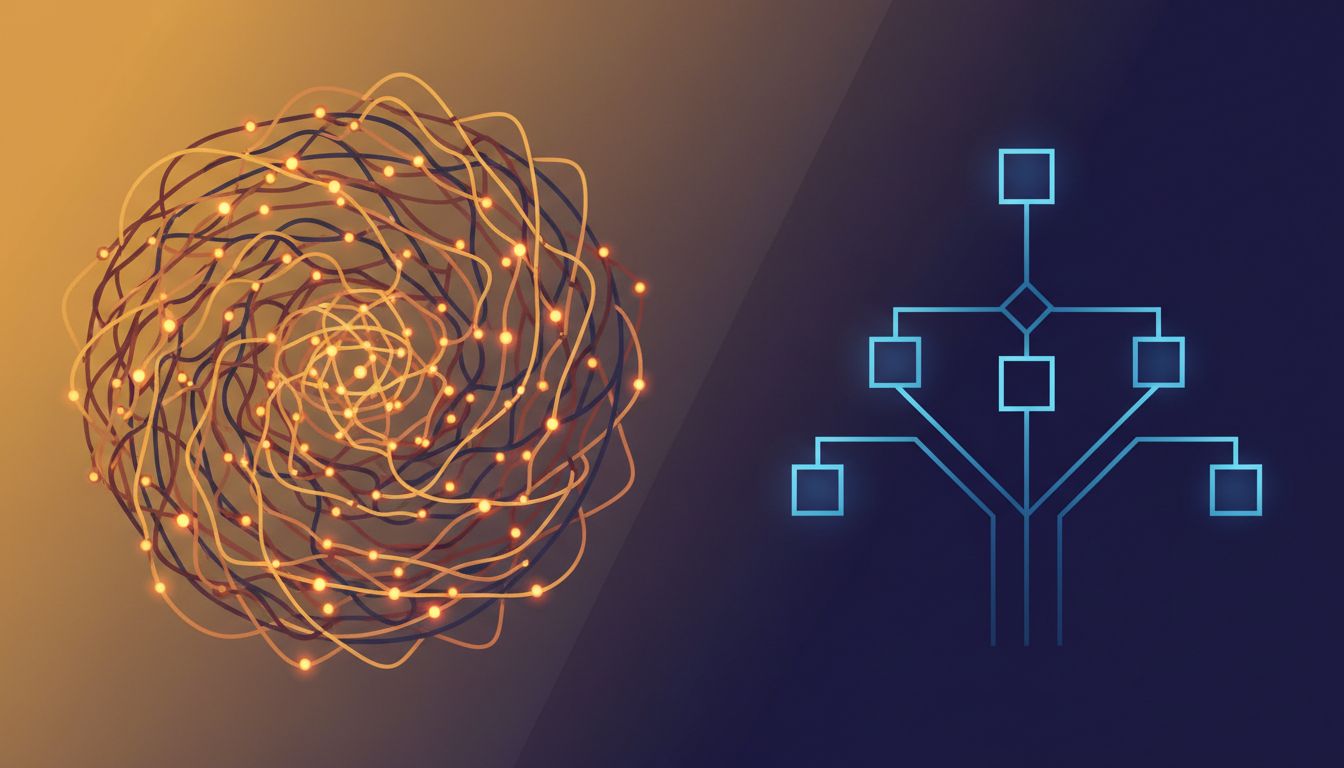
A product team spent months building the perfect knowledge system. Then they deleted the folder structure and got more productive. Here's what they learned.
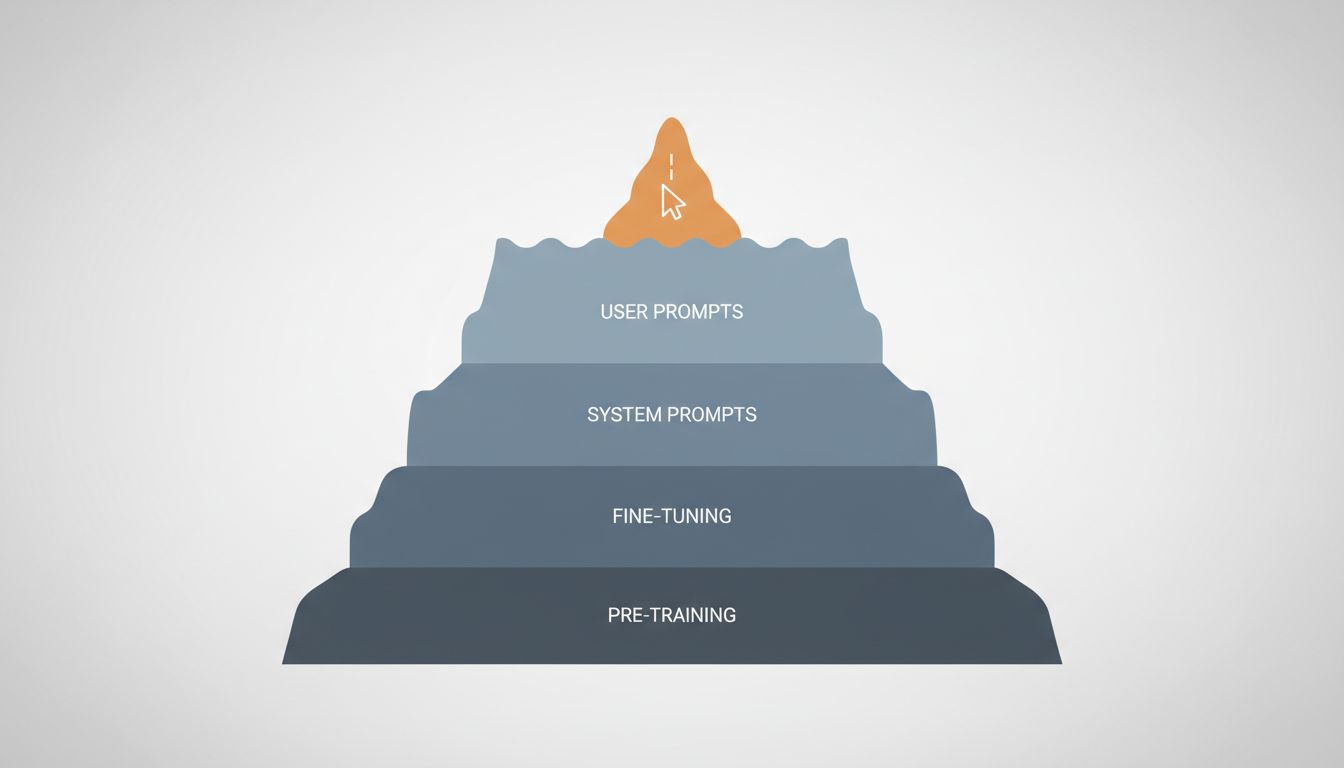
Prompts influence LLM outputs, but the real controls are baked in long before you type a word. Here's what actually shapes what you get.
Join thousands of readers who get our weekly breakdown of the most important stories in technology.
Free forever. Unsubscribe anytime.