Open Source Maintainers Build the Web and Earn Almost Nothing
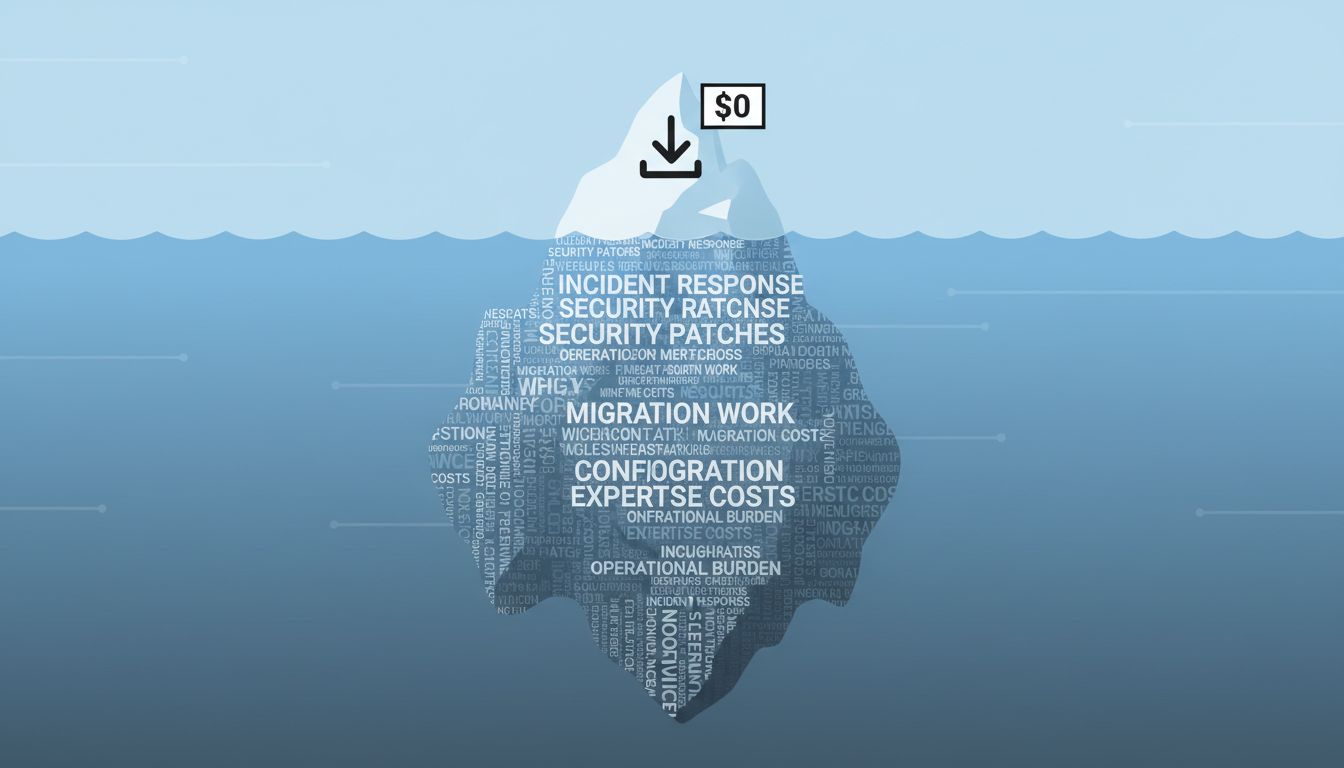
The people who maintain the code that runs most of the internet are mostly volunteers. The companies that depend on that code are not.
Tony Hoare called null his billion-dollar mistake in 2009. Sixty years later, the industry knows better and keeps doing it anyway.
Researchers have proposed faster, more elegant data structures for decades. Databases keep choosing the boring one. The reason reveals something important about how engineering decisions actually get made.
A VPN encrypts your traffic but leaves one critical channel exposed. Your DNS resolver has been quietly building a profile of everything you do online.
Amazon's most productive engineers sometimes don't write code at all. The logic is counterintuitive but the economics are clear.
Overcast built a loyal audience with a free app and nearly went broke serving it. The math behind free is stranger than most founders expect.
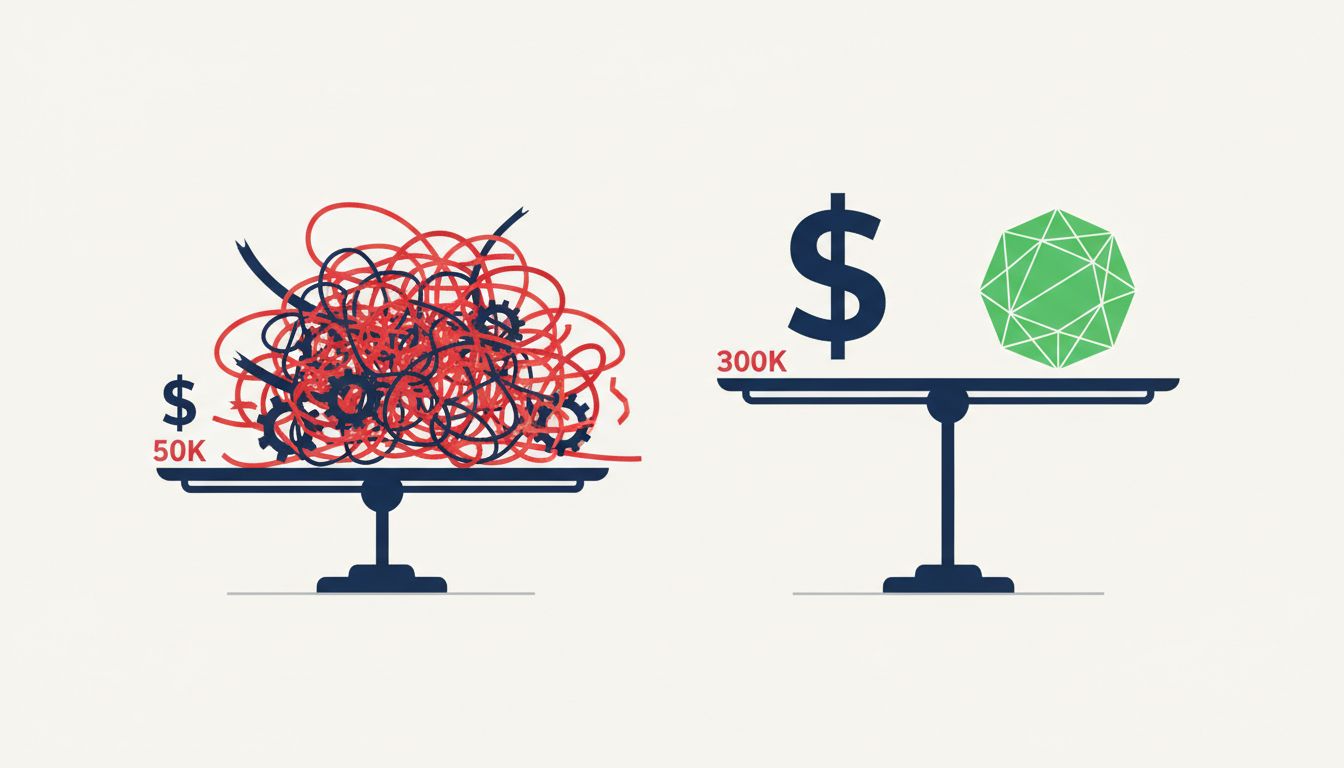
Winning a tech market sounds great until you see the bill. The company just behind the leader is often extracting far more profit per dollar of revenue.
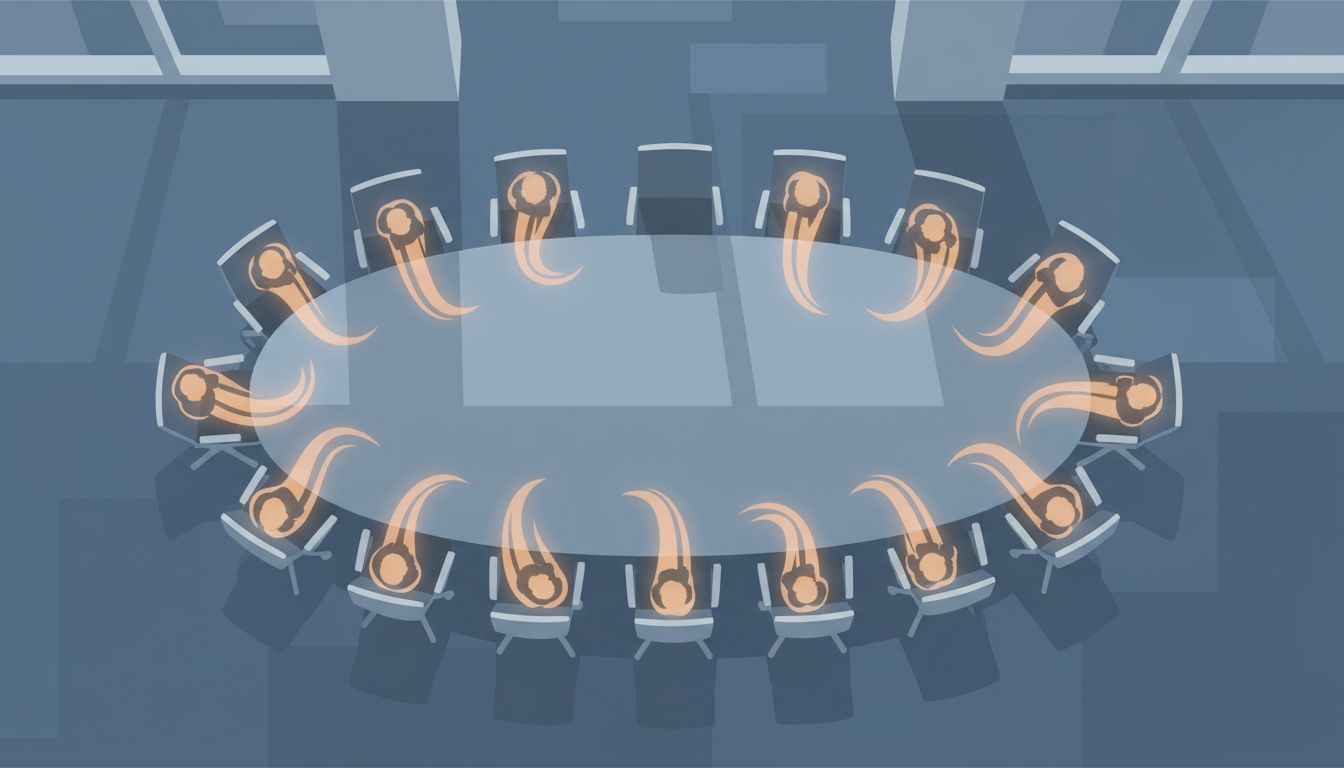
Task decomposition is useful until it isn't. Here's the specific failure mode nobody talks about when teams get addicted to splitting tickets.
That perpetually half-written doc isn't a failure of discipline. It might be doing more cognitive work than any finished artifact in your system.
Homejoy burned through $38M optimizing the wrong metric. The number that actually predicts startup survival isn't how fast you spend — it's what you're buying with each dollar.
Cheap pricing feels safe for new founders. It's often the thing that makes buyers walk away.
Most productivity techniques are reward loops dressed up as workflows. Here's what's actually happening when you feel productive but aren't.
Every successful startup has a story about the customer they almost built for instead of the customer who actually mattered. Here's what that mistake looks like in practice.
Stateless architecture sounds clean and elegant. In practice, it just moves the complexity somewhere else. Here's where it goes.
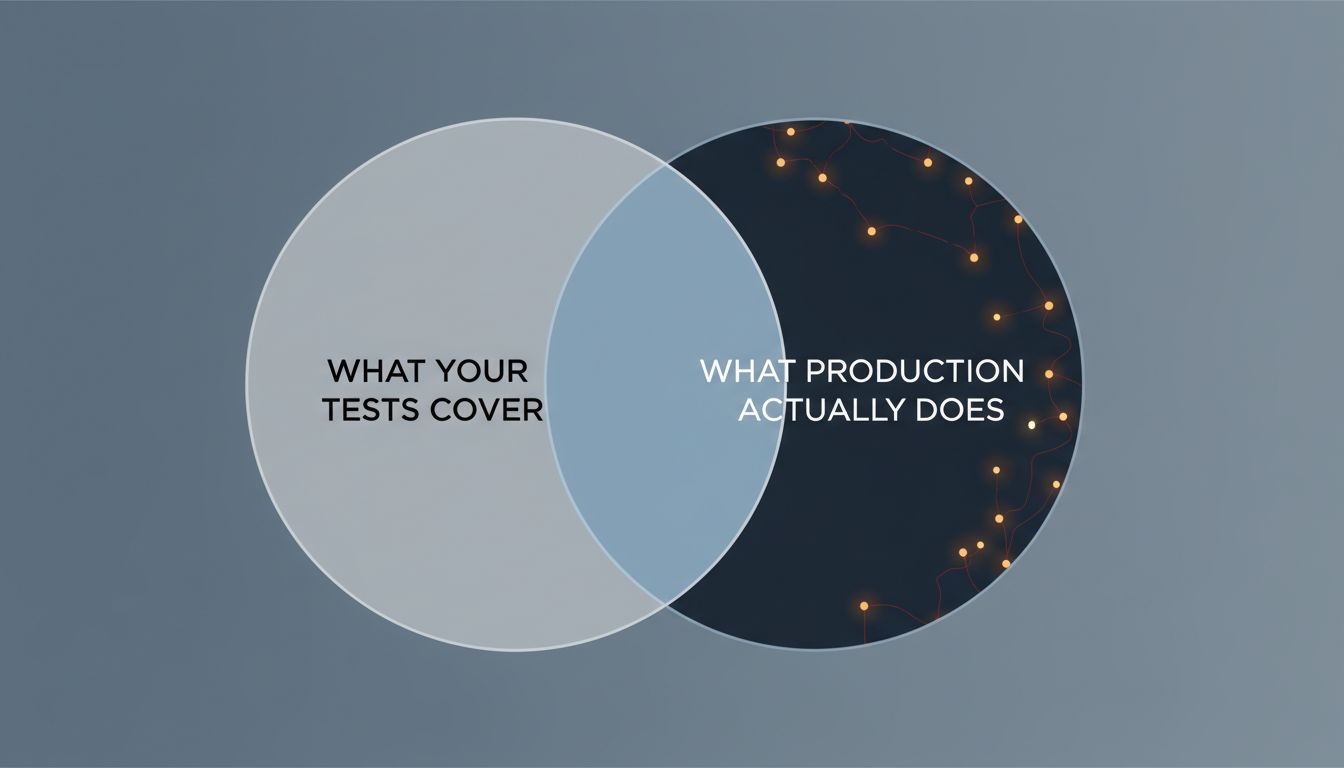
Intermittent bugs that vanish under scrutiny aren't flukes. They're your system telling you something true about how it actually runs.
A vector is a list of numbers. That's it. Yet embeddings power semantic search, recommendations, and translation. Here's what's actually happening.
The padlock tells you your connection is encrypted. It says nothing about whether the site on the other end is trustworthy. These are very different things.
The trade-off between latency and throughput is real but routinely misunderstood. Most systems aren't hitting the constraint developers think they are.
Compiler warnings aren't noise. They're a static analysis tool you're already running, for free, and most teams treat them like spam.
Join thousands of readers who get our weekly breakdown of the most important stories in technology.
Free forever. Unsubscribe anytime.