The Compiler Knows Your Code Better Than You Do
Your compiler doesn't just translate code into machine instructions. It rewrites your program, often substantially, before a single instruction runs.
The best engineers and founders don't manage distraction. They architect their browser like a codebase, and one constraint changes everything.
Your calendar app isn't neutral. The way it's designed actively undermines how your brain processes time — here's what to do about it.
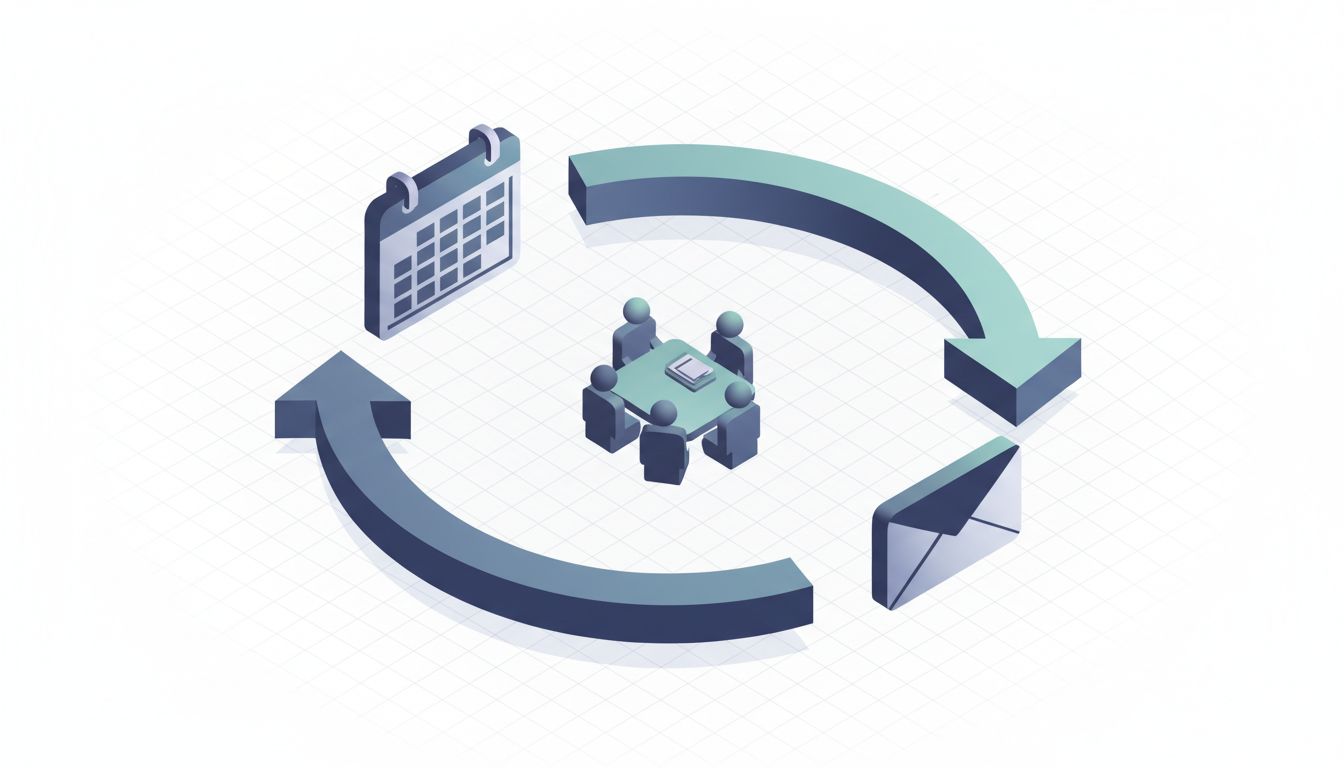
High-performing teams are quietly downgrading their communication stack, and the productivity gains are hard to argue with.
The pivot isn't a failure. It's the product. Here's why the startups that survive almost always planned to change everything.
VCs don't accidentally back rival startups. They do it on purpose, and the logic reveals exactly how they see your company.
Modern AI doesn't just process data faster than humans. It perceives entirely different things. Here's the technical reality behind that unsettling fact.
Behind every product you use is a graveyard of finished features no one ever saw. The reasons they stay buried reveal how software is actually built.
The best developers aren't measured by lines written. They're measured by lines removed. Here's why deletion is the highest form of engineering.
Languages like COBOL were supposed to be dead decades ago. They still run the global economy. Here's why programming languages almost never truly die.
The data on software bug costs has been clear since the 1970s. So why do companies keep shipping broken code anyway?
That spinning wheel isn't a bug. It's a calculated design decision backed by behavioral science and business strategy.
Top VCs don't evaluate startups on merit alone. They run a rapid mental checklist built from thousands of pitches, and knowing the patterns can change everything.
The gap between what engineers build and what they can describe isn't a communication failure. It's a structural feature of how tech economics actually work.
Planned obsolescence isn't a conspiracy theory. It's a carefully calculated business model with real numbers behind it.
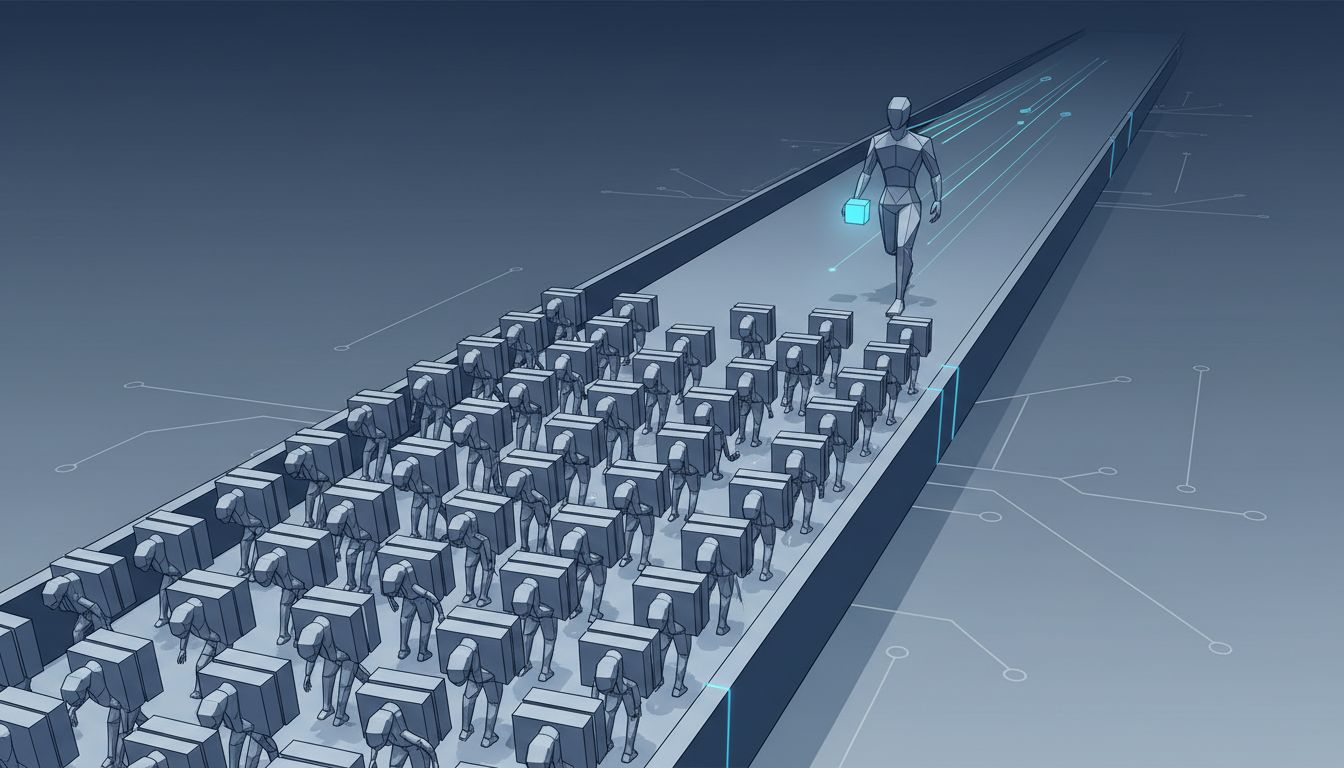
Lazy loading is a performance trick that top engineers swear by. Turns out, it works just as well on your to-do list as it does on your code.
In a world of infinite digital tools, smart tech workers keep printing things out. The reason is more neurological than nostalgic.
Running one calendar for everything feels organized until it isn't. Here's the system high-performers actually use.
Deliberate failure isn't a bug in tech strategy. It's a feature. Here's the uncomfortable logic behind why companies ship products they know won't survive.
Join thousands of readers who get our weekly breakdown of the most important stories in technology.
Free forever. Unsubscribe anytime.