The Marginal Cost of Software Is Zero. The Marginal Cost of Selling It Isn't.
Founders fixate on zero marginal cost as the magic of software. But the cost of acquiring, convincing, and keeping customers doesn't scale the same way the product does.
From fitness trackers to spreadsheet tools, apps keep adding social features nobody asked for. Here's the cold logic driving it.
That flawless product demo you watched wasn't lying to you — but it wasn't showing you the real thing either. Here's the gap nobody talks about.
That inconsistency you keep noticing in your AI tools? It's intentional. Here's what's actually happening and how to use it to your advantage.
The Pomodoro Technique seems too simple to matter. The data on how it affects debugging says otherwise.
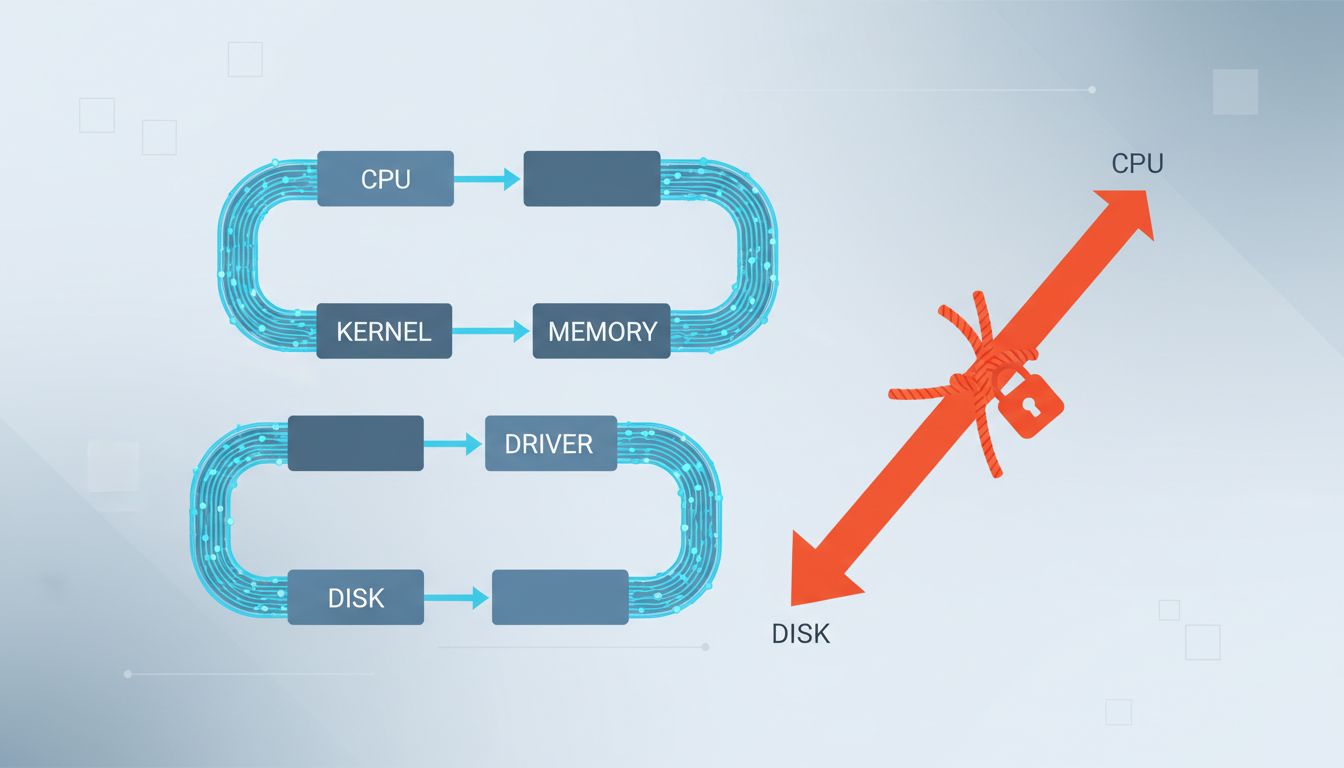
The industry standard for data center cooling is set far below what hardware actually requires. The gap between spec and practice reveals something uncomfortable about how tech infrastructure really works.
The best product teams don't study their users. They are their users. Here's the quiet hiring strategy behind some of tech's biggest wins.
The biggest apps in the world didn't win by solving obvious problems. They won by finding the ones people were too embarrassed, too busy, or too unaware to name.
That update notification isn't about security patches. It's about keeping you locked in, dependent, and paying.
Avoiding interruptions sounds smart until you realize the brain doesn't work like uninterrupted code. Here's what top performers figured out.
More apps don't mean more output. The people getting the most done are quietly using less, and the research backs them up.
Most founders hide from angry customers. The ones who build lasting companies run toward them. Here's the system behind it.
The founders who win aren't the ones who found the right market immediately. They're the ones who used the wrong market to build something the right market couldn't ignore.
AI chatbots don't stumble into honesty by accident. There's a deliberate, layered training process behind every 'I'm not sure about that.'
Why is it called Python? Or Rust? Or Go? The naming of programming languages follows hidden patterns that reveal how creators think about adoption.
The real reason developers leave programming languages has nothing to do with technical merit. The economics behind language death are colder than most engineers realize.
Slack, AWS, and Shopify weren't built for the market. They were built for the team next door. The pattern reveals something counterintuitive about how great software actually gets made.
Your software isn't aging poorly by accident. The slowdown is engineered, the economics are ruthless, and the playbook is older than the iPhone.
VCs aren't guessing. They're running mental checklists built from thousands of pitches. Here's what's actually on those checklists.
Join thousands of readers who get our weekly breakdown of the most important stories in technology.
Free forever. Unsubscribe anytime.