
Startup Strategy
The First Hundred Customers Never Come From the Plan
Every startup has a go-to-market strategy. Almost none of them use it. The ones that survive figure out why fast enough to matter.

Jordan Rivera is a startup strategy writer who has spent a decade in the venture capital ecosystem. From seed-stage founder to growth-stage advisor, Jordan writes about the real decisions founders face, the ones that rarely make it into press releases.
Every startup has a go-to-market strategy. Almost none of them use it. The ones that survive figure out why fast enough to matter.

Being first sounds like a competitive advantage. The evidence says otherwise. Here's what the pioneer actually does for the company that follows.
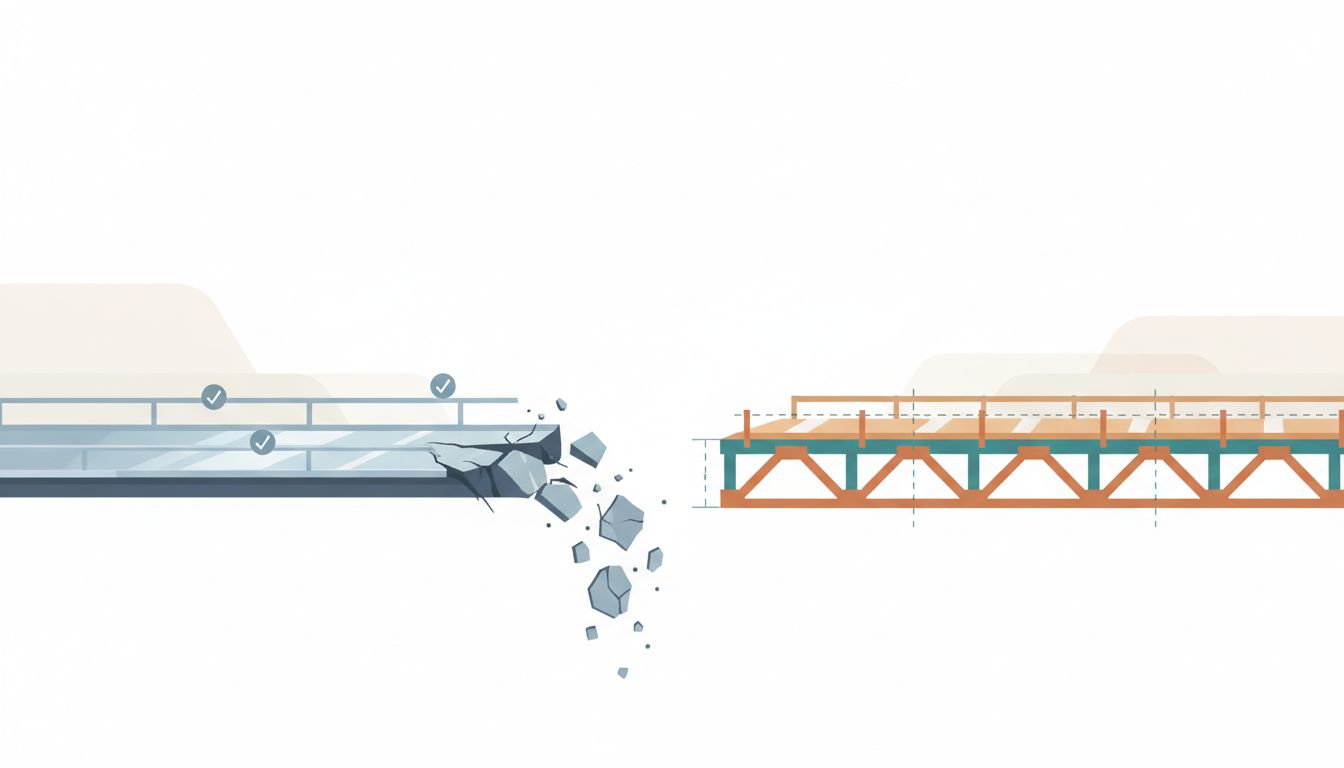
Most founders treat sales calls like auditions. One company figured out that admitting limitations upfront closes more contracts than overselling ever did.

AMD never outsold Intel. It didn't need to. The story of how second place became the better business.

The customers who never complain, never ask for features, and just quietly pay are sending you a signal. Most founders never learn to read it.
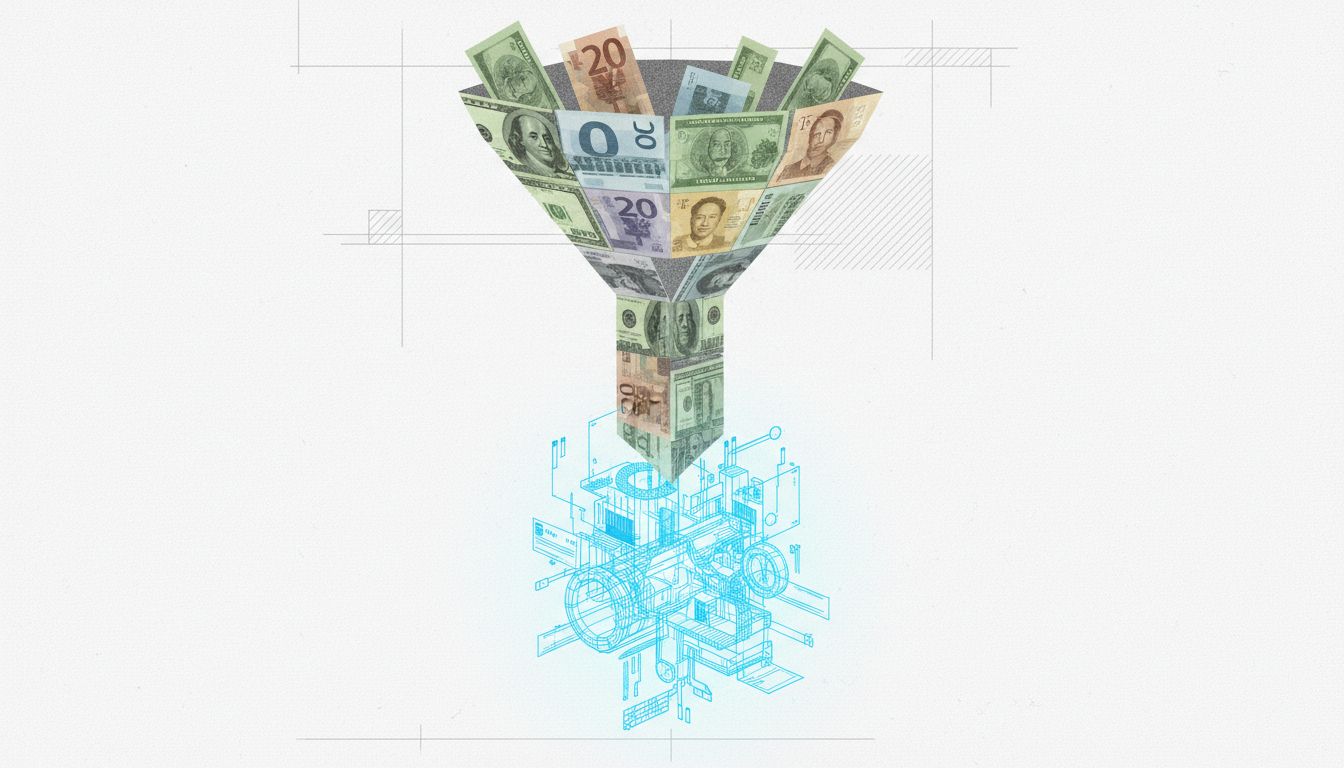
Collecting money before your product exists sounds like a scam. It's actually the most rigorous test a startup can run.
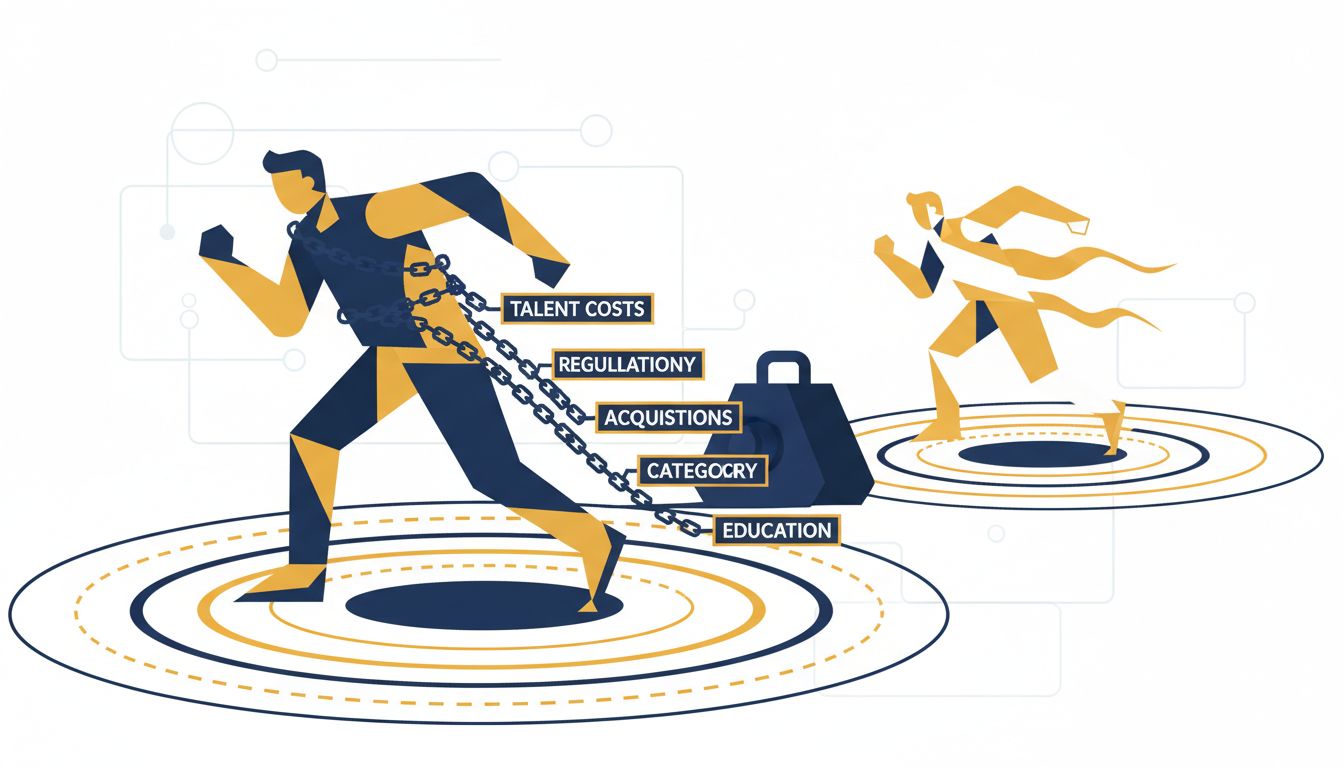
Winning a tech market and profiting from it are different games. The company in second place is often playing the better one.
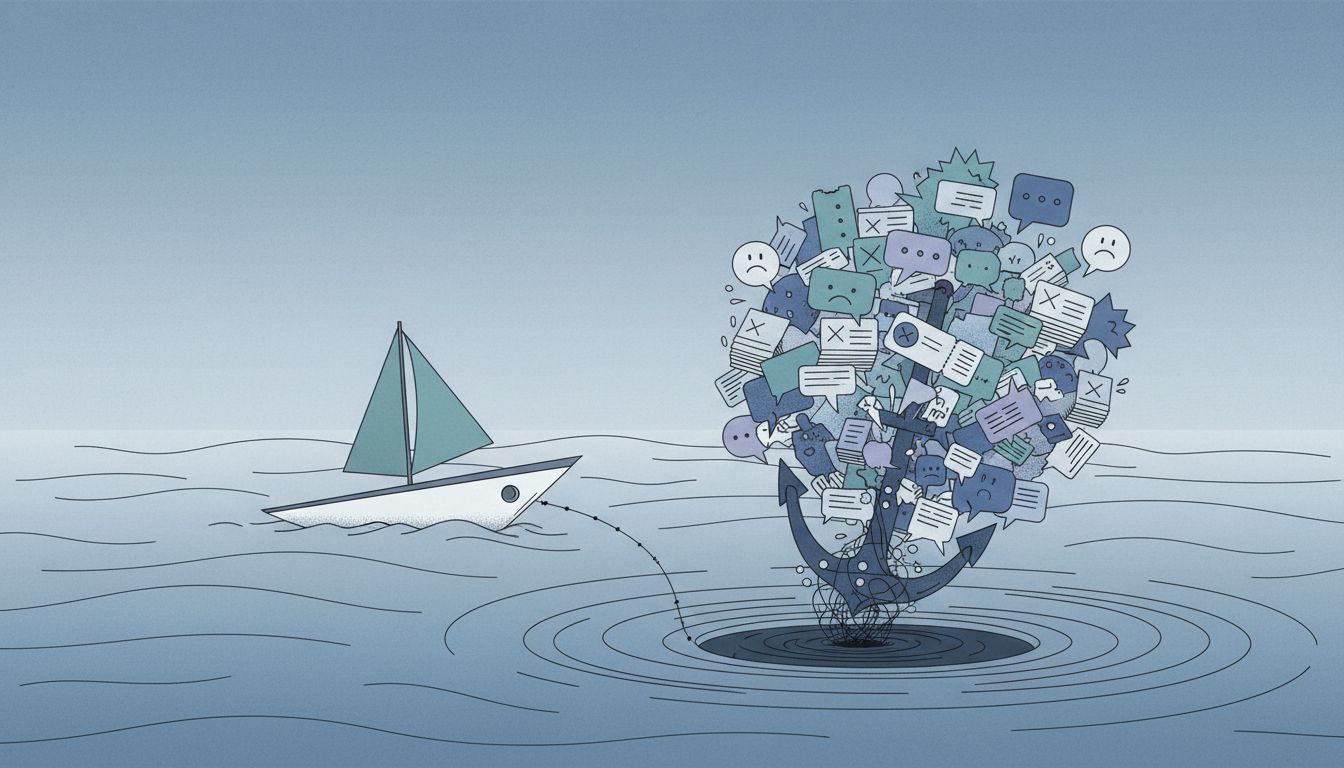
High-complaint customers feel like valuable feedback sources. They're usually just expensive. Here's how to tell the difference.

The people with the most knowledge about a system are often the worst judges of what it costs to replace it. Here's why that happens and what to do about it.

Founders obsess over finding perfect early customers. That obsession is exactly what keeps them from learning anything useful.
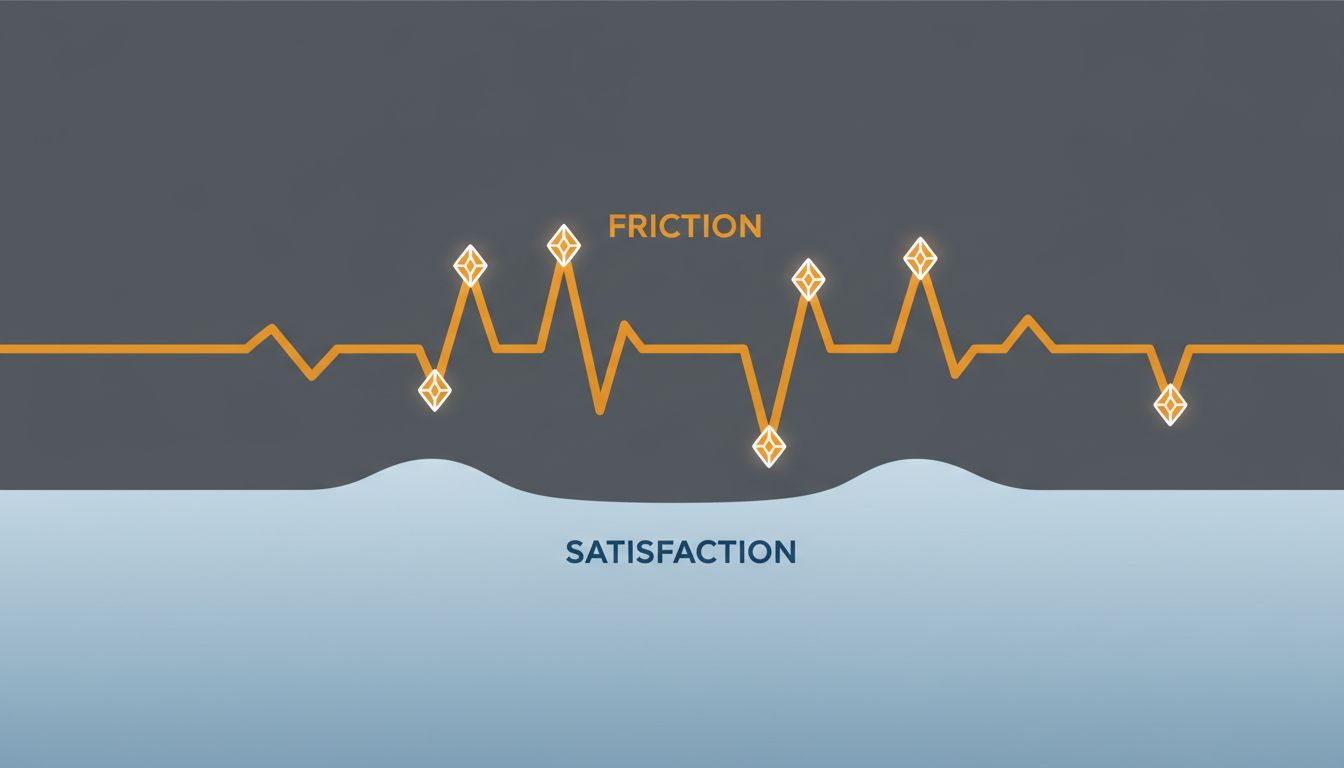
The customer who nearly walked, complained loudly, or broke everything you built is worth more than a dozen satisfied ones. Here's why you should be chasing friction, not praise.

The founder who starts a company second isn't copying. They're solving a different, harder problem — and that difference is why they tend to win long-term.

The engineers behind the products you use every day are rarely the ones in the company photos. Here's how tech's shadow workforce actually operates.

Acquisitions rewrite the rules you agreed to. Here is what survives, what disappears, and what was never yours to begin with.

More measurement feels like more control. It isn't. The startups that outperform tend to track almost nothing — on purpose.

Being first sounds like an advantage. In practice, it mostly means you pay to educate the market so someone else can monetize it.
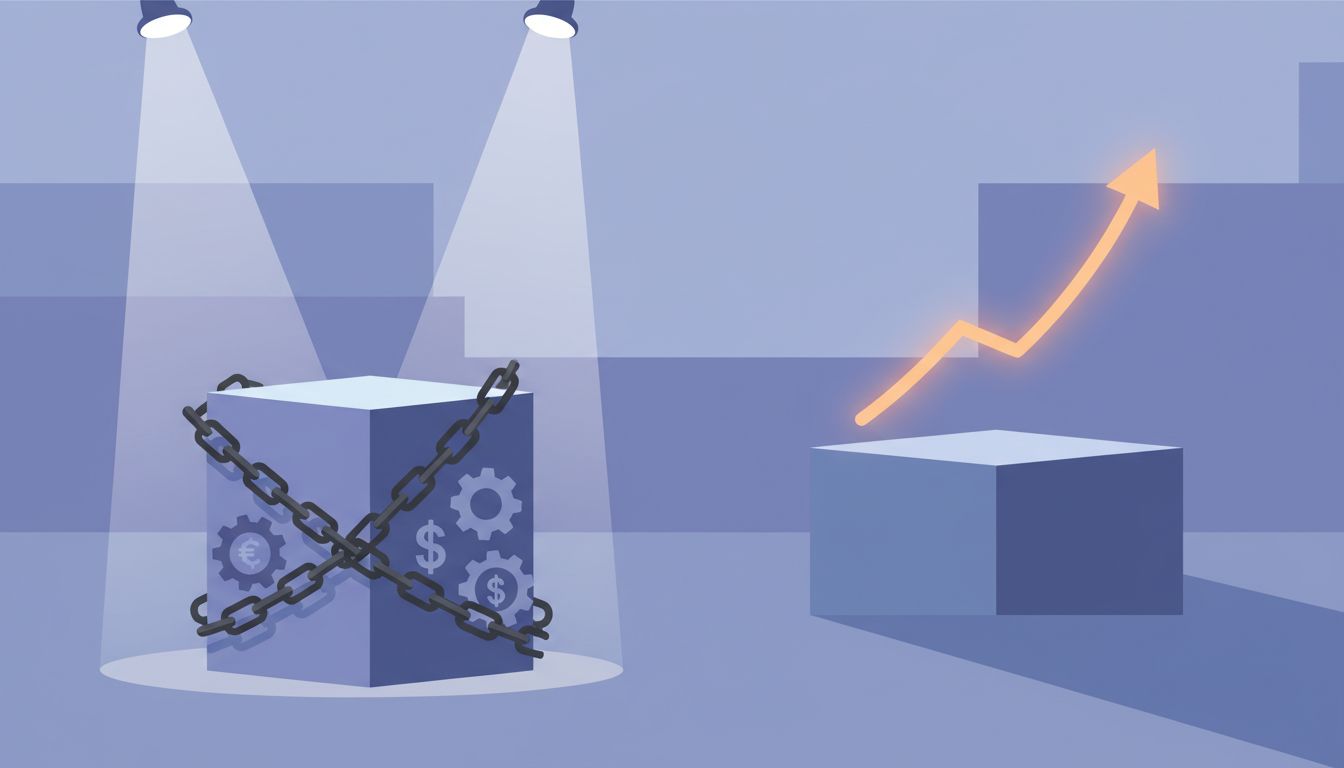
Winning a market and making money from it are different games. The company in second place is almost always playing the better one.

Being first gets you press coverage and a headstart on mistakes. The company that arrives second gets a roadmap. Guess which advantage is worth more.
Join thousands of readers who get our weekly breakdown of the most important stories in technology.
Free forever. Unsubscribe anytime.