
Startup Strategy
Your First Hundred Customers Are Supposed to Be Wrong
Founders panic when early customers churn or misuse the product. They shouldn't. Those customers are doing exactly what they're supposed to do.

Jordan Rivera is a startup strategy writer who has spent a decade in the venture capital ecosystem. From seed-stage founder to growth-stage advisor, Jordan writes about the real decisions founders face, the ones that rarely make it into press releases.
Founders panic when early customers churn or misuse the product. They shouldn't. Those customers are doing exactly what they're supposed to do.
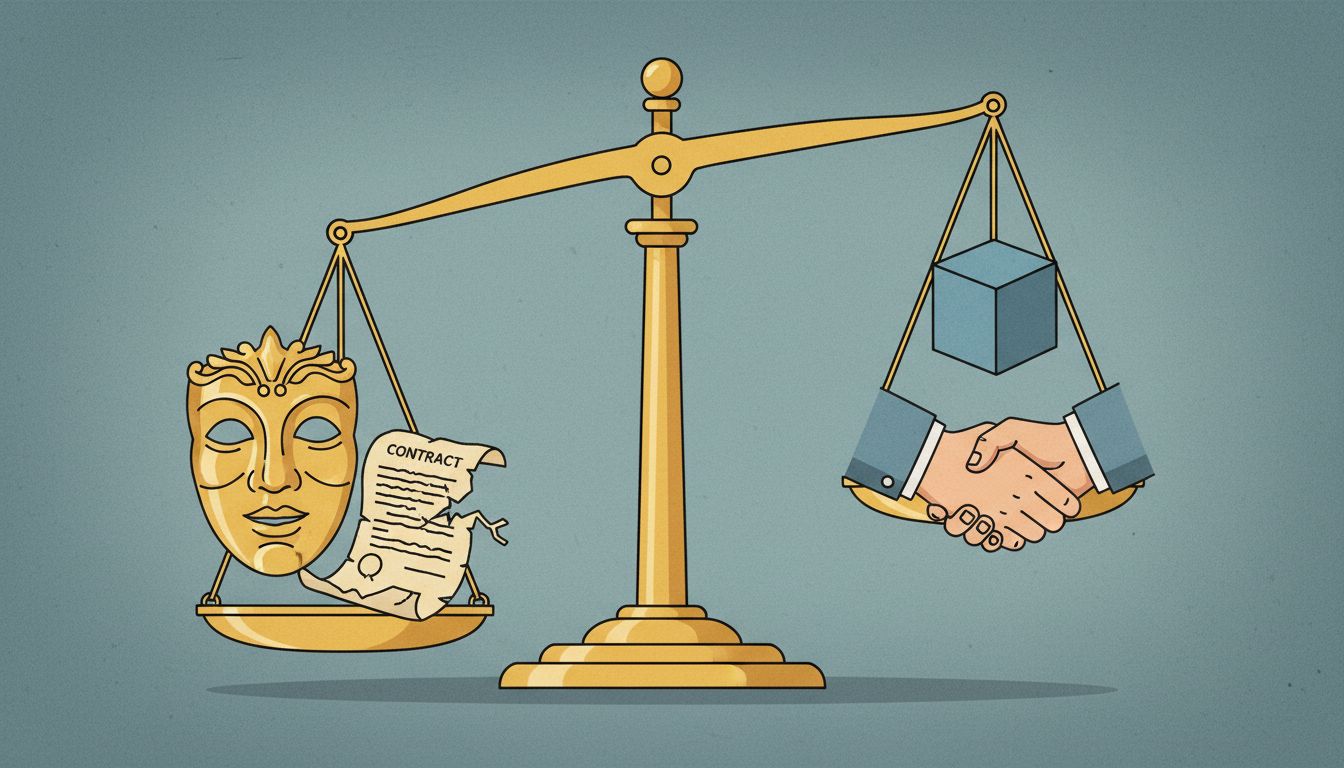
Startups obsess over hiding weaknesses. The ones that win enterprise deals are usually doing the opposite.

The engineers keeping decade-old systems alive command salaries that make greenfield developers jealous. Here's the economics behind why.

Being first gets you credit in press releases. Being second gets you customers. Here's why the pioneer almost never ends up owning what it built.

Collecting money before your product exists isn't a shortcut. It's the most honest signal you can get about whether your idea deserves to exist.

Basecamp spent years refusing to grow beyond what it could manage. That restraint is exactly why it's still running while faster-moving competitors collapsed.
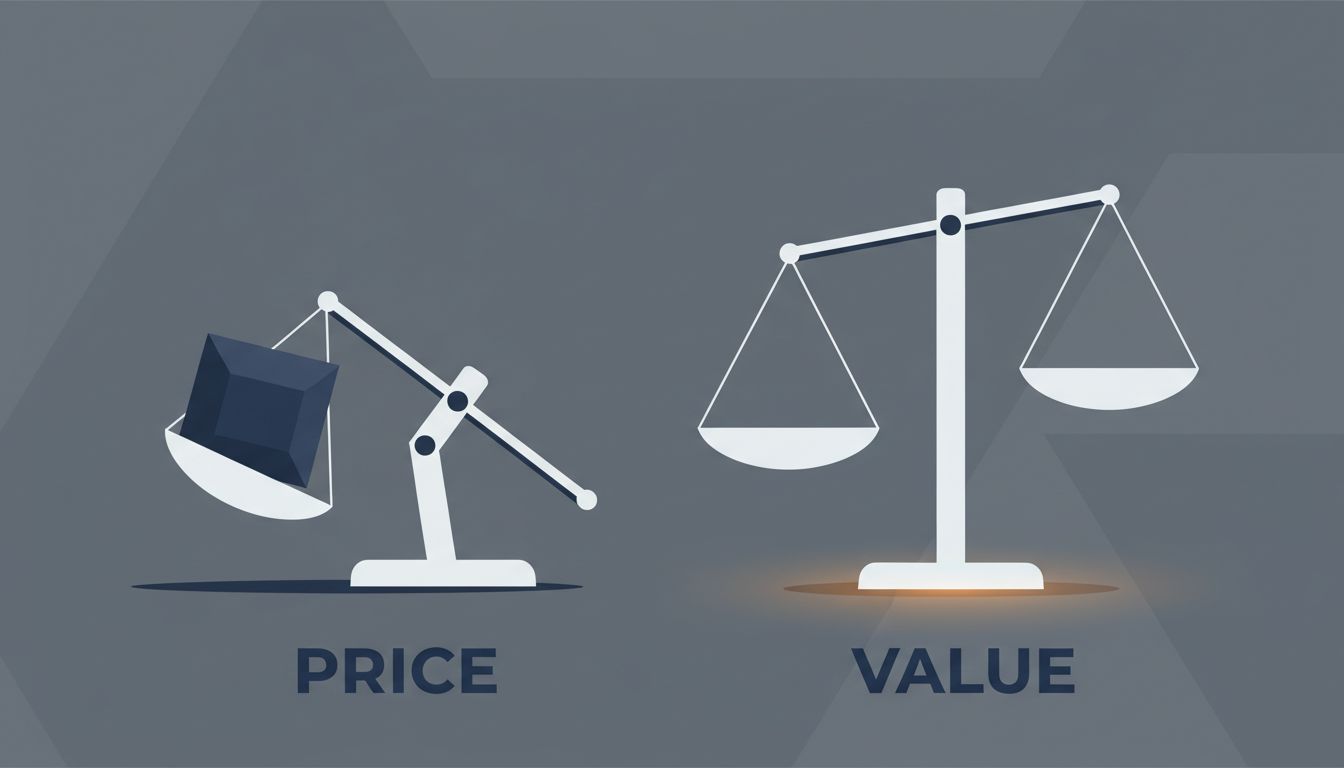
Undercutting on price feels like a strategy. It's usually a confession that you haven't figured out what you're actually selling.

Collecting money before your product exists isn't ethically questionable. It's the clearest signal test you have. Here's why pre-sales separate real businesses from expensive hobbies.

Being first means paying for everyone's education. The company that comes second gets to skip class and go straight to the exam.

Enterprise buyers aren't looking for a perfect product. They're looking for a vendor they can trust not to lie to them.

Slack, Airbnb, and Flickr all started by saying yes to a single user. That first yes nearly ended each of them — and also made them.

When Slack abandoned its game, the press called it a failure. The company called it survival. Both were right.

Slack was a gaming company. YouTube was a dating site. The pivot isn't a failure of vision. Sometimes it's the whole point.

Founders keep pitching massive markets and wondering why they can't get traction. The math on niche dominance tells a different story.

Customer feedback feels like free product strategy. Sometimes it is. More often, it's a slow way to build something nobody actually wants.

Collecting money before you have a product isn't a scam. It's the only honest way to know whether you have a business.

Your happiest customers are the worst source of product insight. The ones who nearly churned, complained loudly, or pushed back hardest are the ones worth studying.

Every iconic startup has a near-death story involving a single customer. The lesson isn't about that customer. It's about what founders do next.
Join thousands of readers who get our weekly breakdown of the most important stories in technology.
Free forever. Unsubscribe anytime.