Startup Strategy
Your First Hundred Customers Should Be the Wrong Ones
Founders obsess over finding perfect early customers. That obsession is exactly what keeps them from learning anything useful.
The playbooks, pivots, and decisions behind building and scaling startups.
Founders obsess over finding perfect early customers. That obsession is exactly what keeps them from learning anything useful.

The customer who nearly walked, complained loudly, or broke everything you built is worth more than a dozen satisfied ones. Here's why you should be chasing friction, not praise.

The founder who starts a company second isn't copying. They're solving a different, harder problem — and that difference is why they tend to win long-term.

Acquisitions rewrite the rules you agreed to. Here is what survives, what disappears, and what was never yours to begin with.

More measurement feels like more control. It isn't. The startups that outperform tend to track almost nothing — on purpose.

Being first sounds like an advantage. In practice, it mostly means you pay to educate the market so someone else can monetize it.

Being first gets you press coverage and a headstart on mistakes. The company that arrives second gets a roadmap. Guess which advantage is worth more.

The first startup teaches you to survive. The second one punishes you for thinking you already know how.

Slack, Airbnb, and Stripe each had a customer segment that nearly dragged them toward irrelevance. The trap looks like growth when you're inside it.
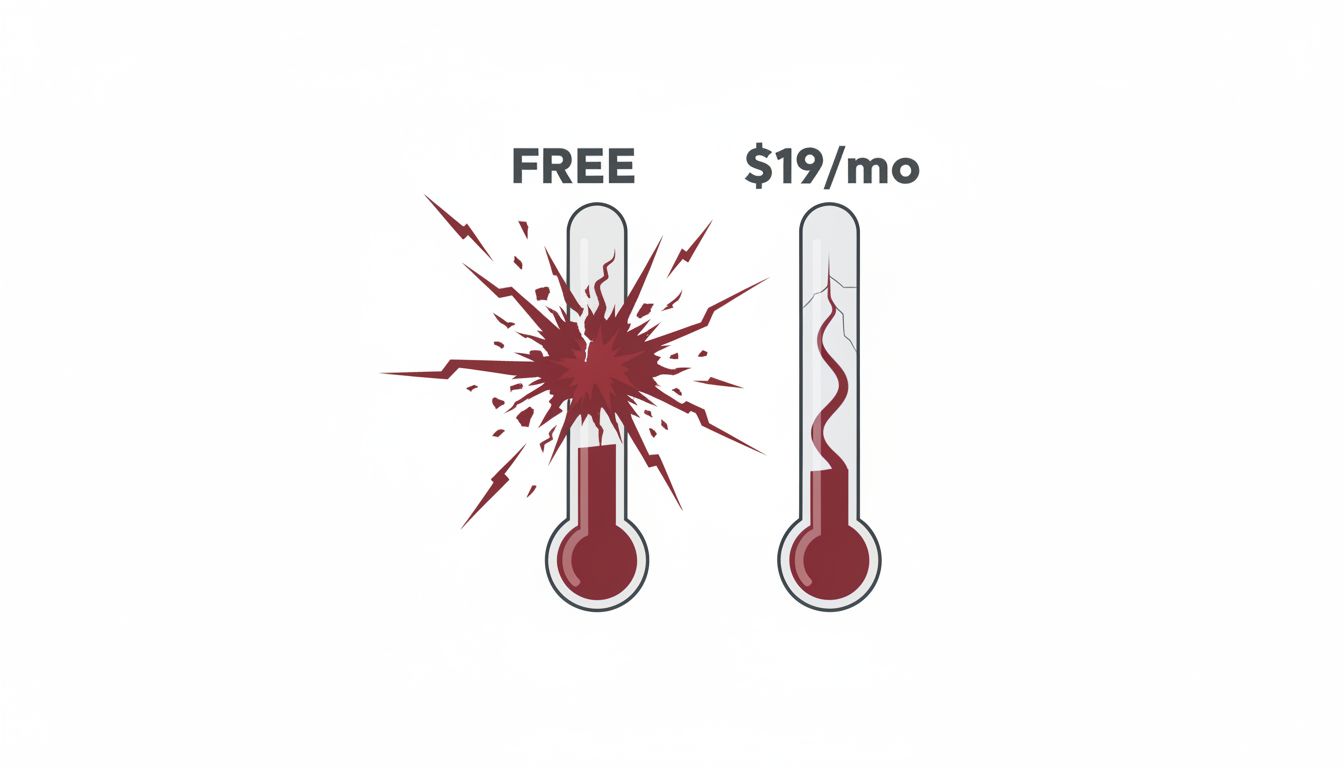
Free is obviously fatal. But underpricing is where most startups actually die, quietly, over years, convinced they're almost there.
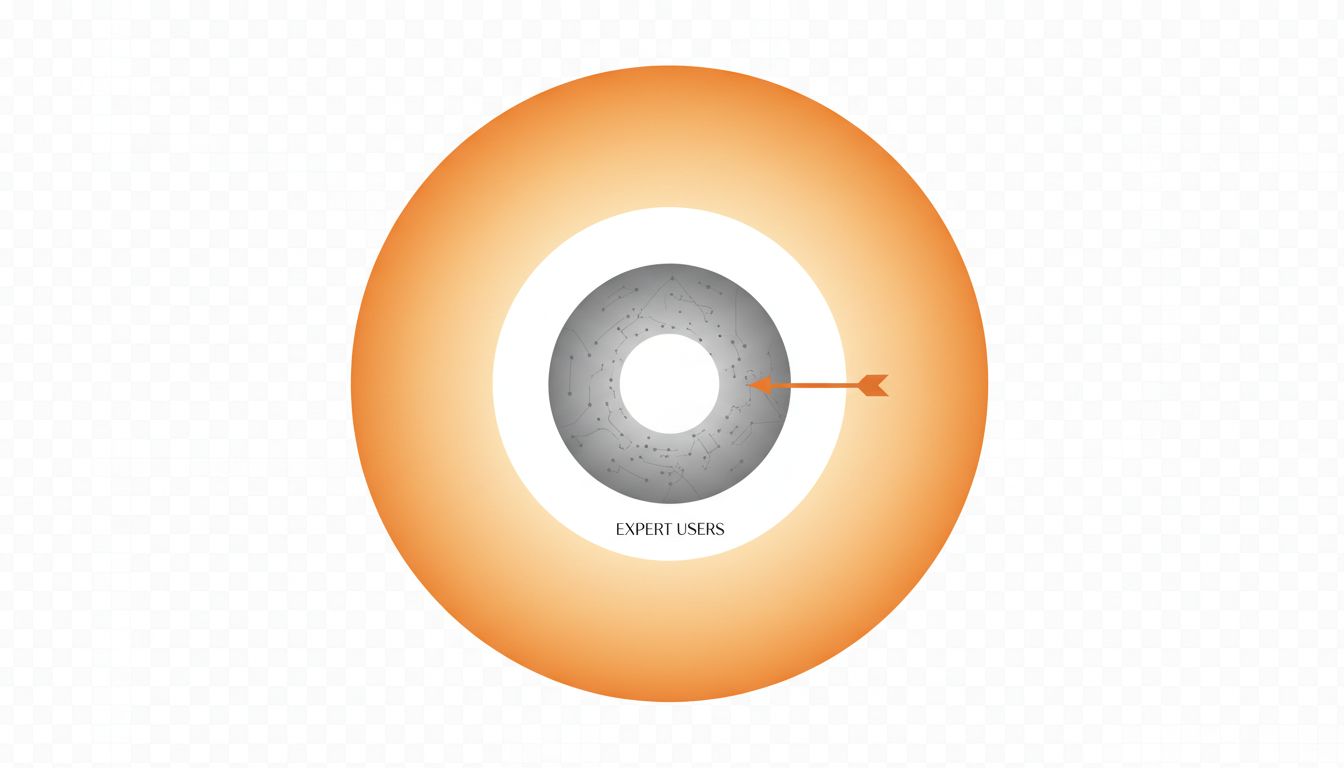
Figma's path to dominance ran directly through the users its most loyal customers told them to ignore. Here's why that worked.

Surviving the first product gives founders misplaced confidence. The second one is where the real traps hide.

The customer tearing apart your product in support tickets might be exactly the hire you need. Here's how to spot the pattern and act on it.
Collecting money before your product exists isn't reckless. It's the most honest signal test you can run — and the founders who skip it pay dearly.

Being first sounds like an advantage. The data says otherwise. Here's what actually happens when you let someone else prove the market exists.

Scaling before you've figured out what actually works doesn't speed you up. It locks in your mistakes at volume. Craigslist, Stripe, and the pattern behind slow-then-fast growth.

Every startup wants to scale nationally before it's ready. The ones that stay in one city on purpose often build something harder to copy.

Stewart Butterfield didn't build Slack by listening to fans. The angriest users in your pipeline carry intelligence your happy customers will never give you.
Join thousands of readers who get our weekly breakdown of the most important stories in technology.
Free forever. Unsubscribe anytime.