
Tech Economics
The Highest-Paid Engineers Write the Least Code
The most valuable software engineers aren't the fastest coders. They're the ones who figure out what not to build.

Alex Nakamura writes about the intersection of technology and business economics. With a background in financial analysis and tech industry research, Alex breaks down the numbers behind the headlines, explaining why tech companies make the strategic bets they do.
The most valuable software engineers aren't the fastest coders. They're the ones who figure out what not to build.

Being first means paying to educate the market. The company that arrives second inherits a trained customer base, a proven playbook, and a map of every mistake.

Modern software isn't slow because of bad algorithms. It's slow because it spends the majority of its time doing nothing, waiting for responses that could be parallelized or eliminated.

Software tests are written by the same people who wrote the code. That means they share the same blind spots. Here's what that costs you.
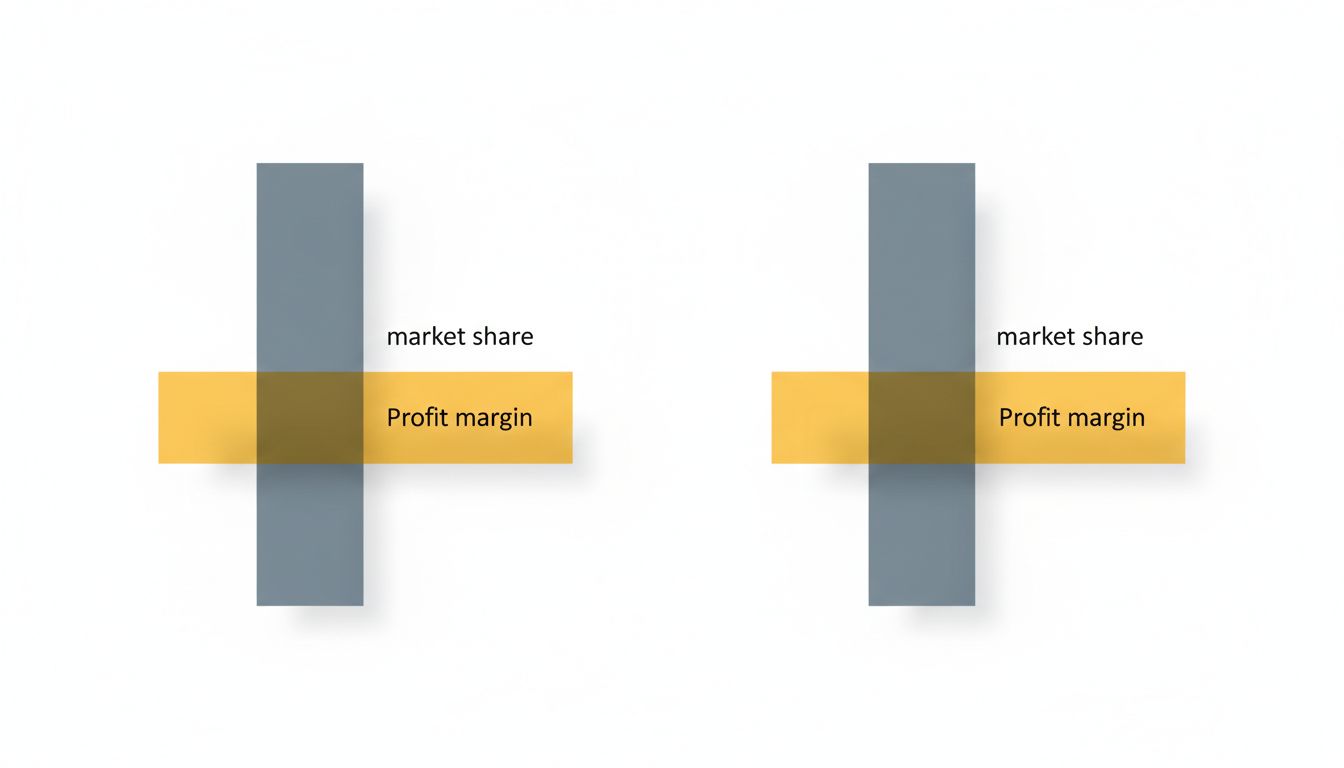
The company that captures the most customers frequently captures the least profit. Second place has structural advantages that market leaders can't easily copy.

AMD trailed Intel for years, ceded market share, and nearly went bankrupt. Then it became more profitable per dollar of revenue than the market leader.
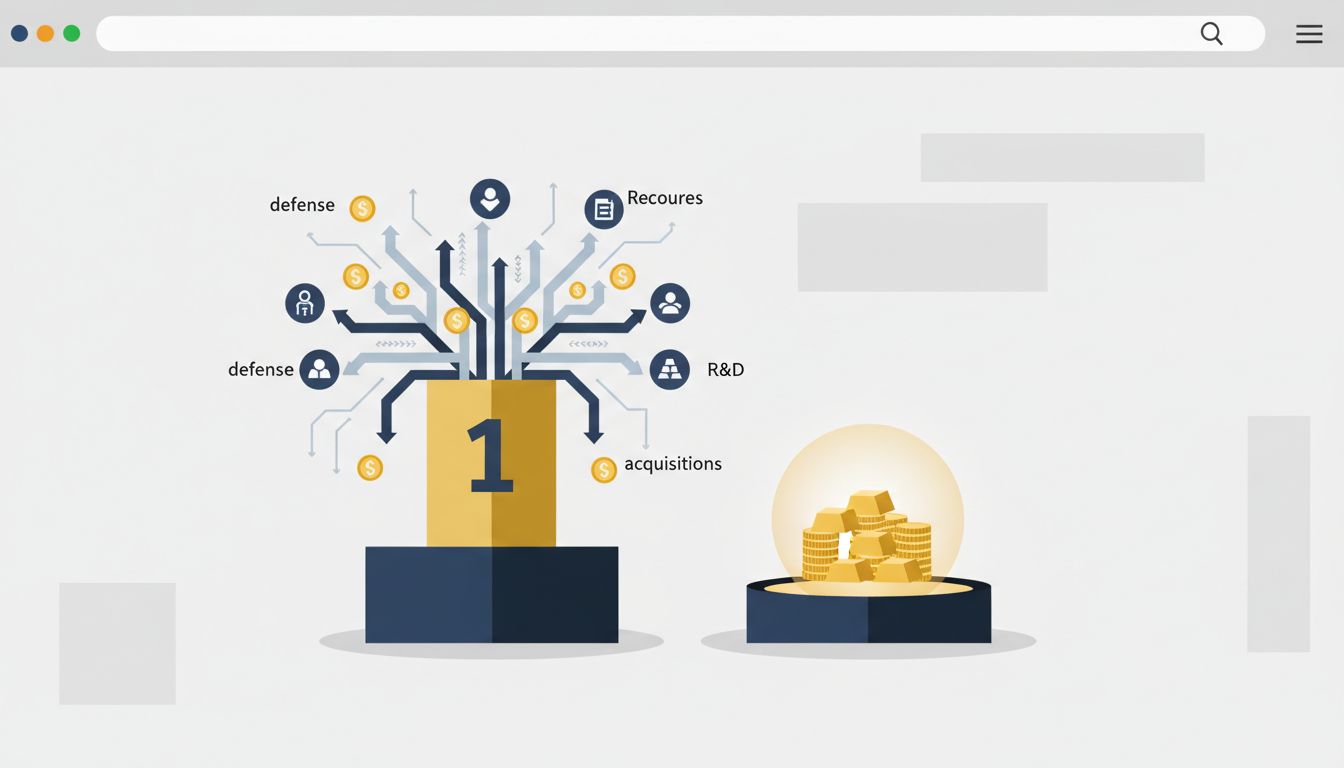
Market leaders spend to stay leaders. The company behind them collects the returns. Here's why the economics of second place are frequently better than first.

Integer overflow isn't a beginner's mistake. It's a design decision deferred until it becomes someone else's emergency.

Being first gets you attention. Being second gets you the business. Here's why that pattern keeps repeating across tech history.

The gap between localhost and production isn't a bug. It's a category of assumptions your development environment quietly makes for you.

The mental model most people have of internet data is wrong in ways that matter. TCP/IP is stranger and more clever than a simple pipeline.
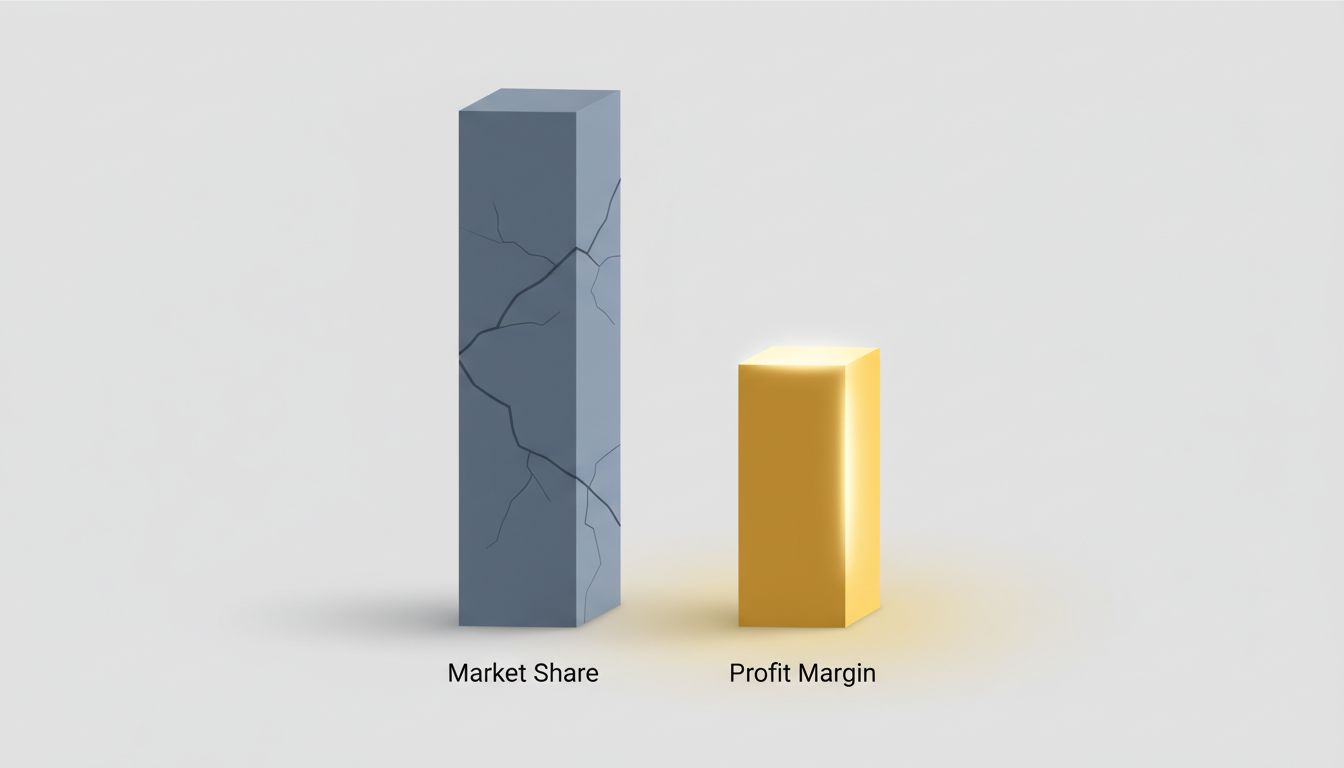
The second-place player in most tech markets faces lower expectations, smaller R&D obligations, and more pricing freedom. AMD's rise explains why.

The code you write and the instructions your processor executes are separated by layers most programmers never think about. That gap is where performance lives.
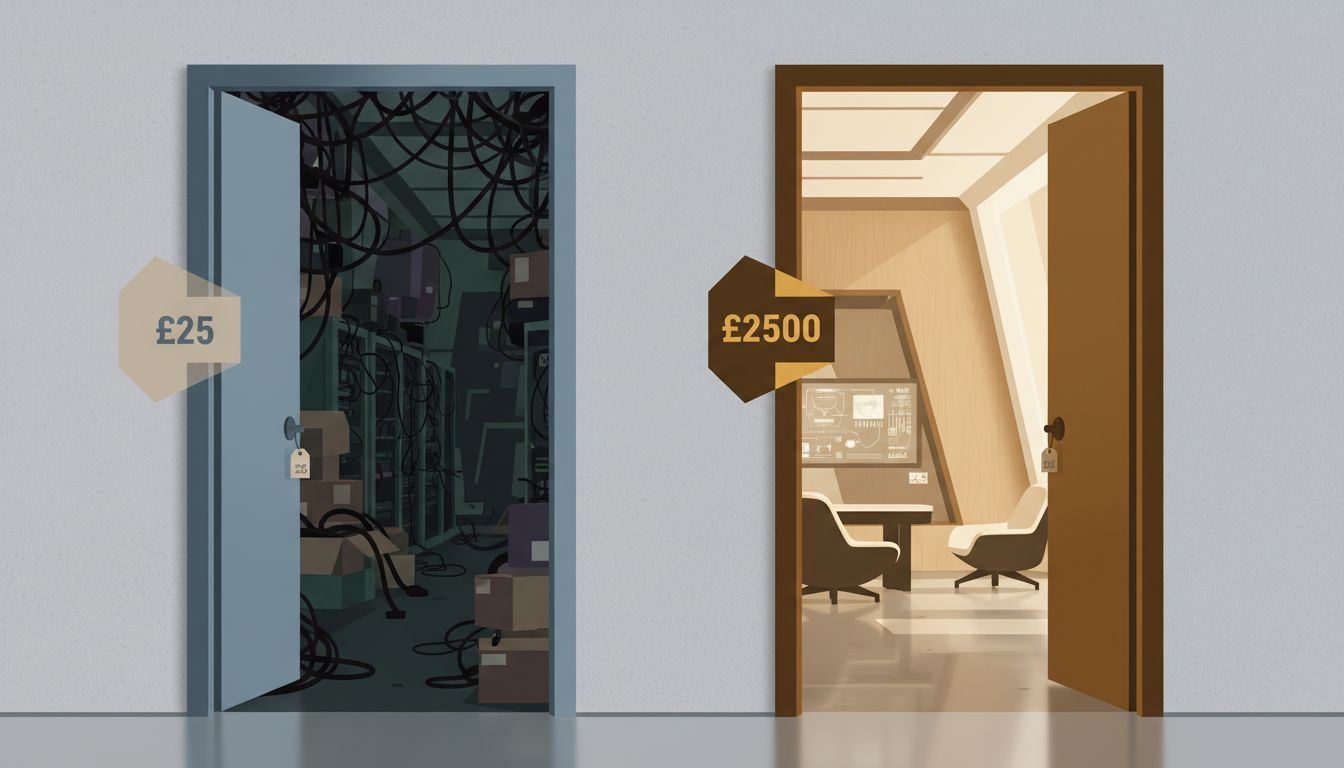
Underpricing feels safe. It isn't. The startups that set high prices early tend to build better products, attract better customers, and last longer.

A notorious NASA software failure shows what happens when programmers assume the machine understands intent. It never does.
The machines that look idle are frequently the ones keeping everything else alive. Here's why infrastructure that sits quiet earns its keep.
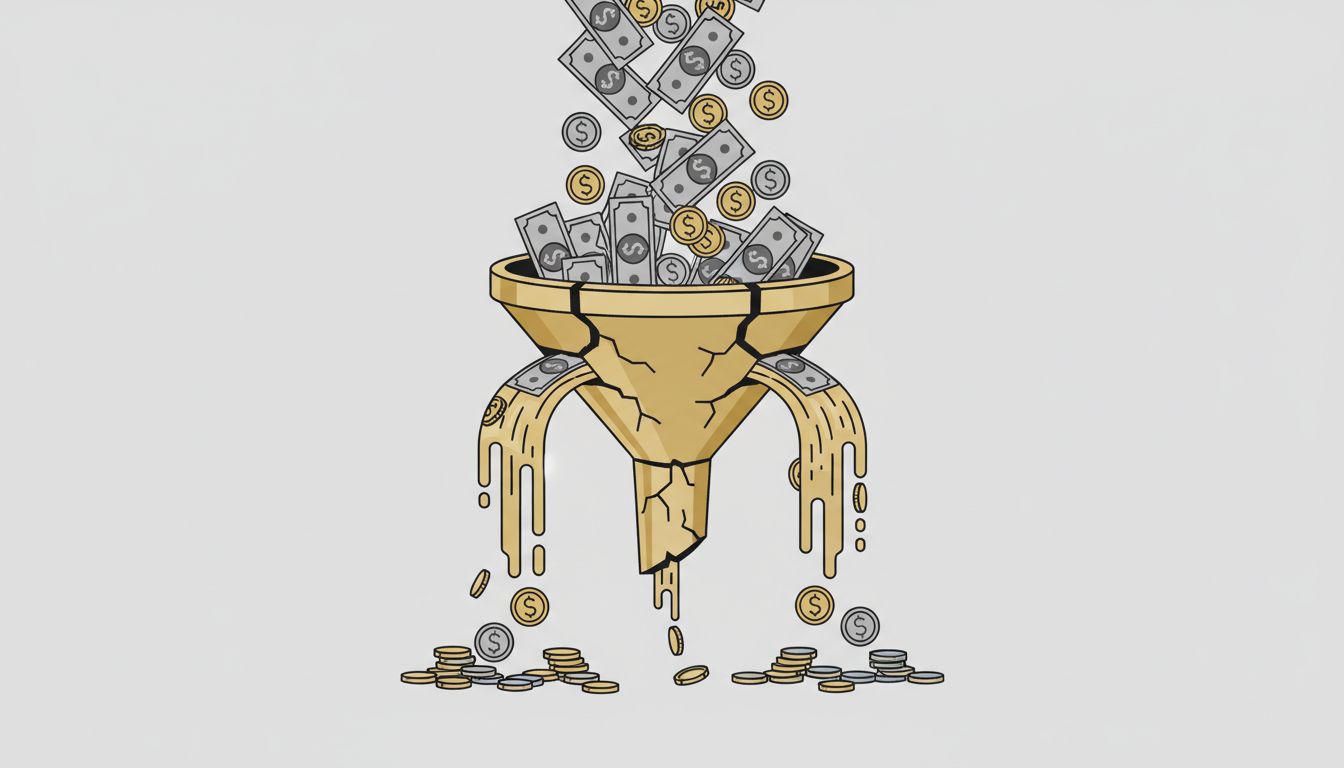
More funding feels like winning. It usually isn't. The economics of overfunded startups explain why the largest war chest so often becomes the heaviest anchor.

Open source software powers most of the internet and costs its users nothing. That's not a charity story. It's a strange economic arrangement worth understanding.
Join thousands of readers who get our weekly breakdown of the most important stories in technology.
Free forever. Unsubscribe anytime.