
Technology
The Distributed System That Agrees on Nothing
Eventual consistency sounds like a bug. It's actually one of the most pragmatic engineering decisions in modern systems design.

Maya Chen covers artificial intelligence and emerging technologies with a focus on making complex topics accessible. A former software engineer at a major tech company, she brings hands-on technical depth to her reporting on how AI is reshaping industries.
Eventual consistency sounds like a bug. It's actually one of the most pragmatic engineering decisions in modern systems design.
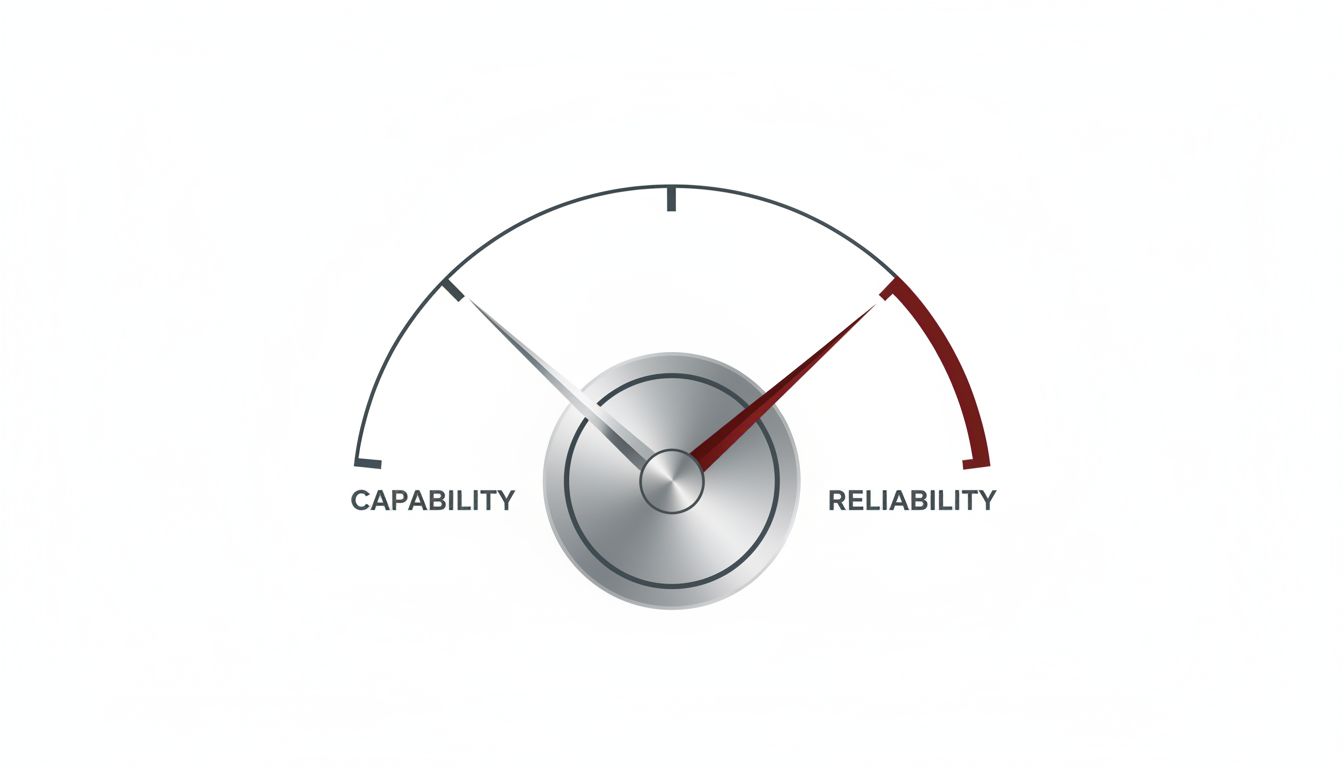
Better reasoning doesn't fix hallucination. It makes the model better at sounding right while being wrong.

Giving an LLM access to 200,000 tokens doesn't mean it actually attends to all of them. Here's why context window size and context utilization are different problems.
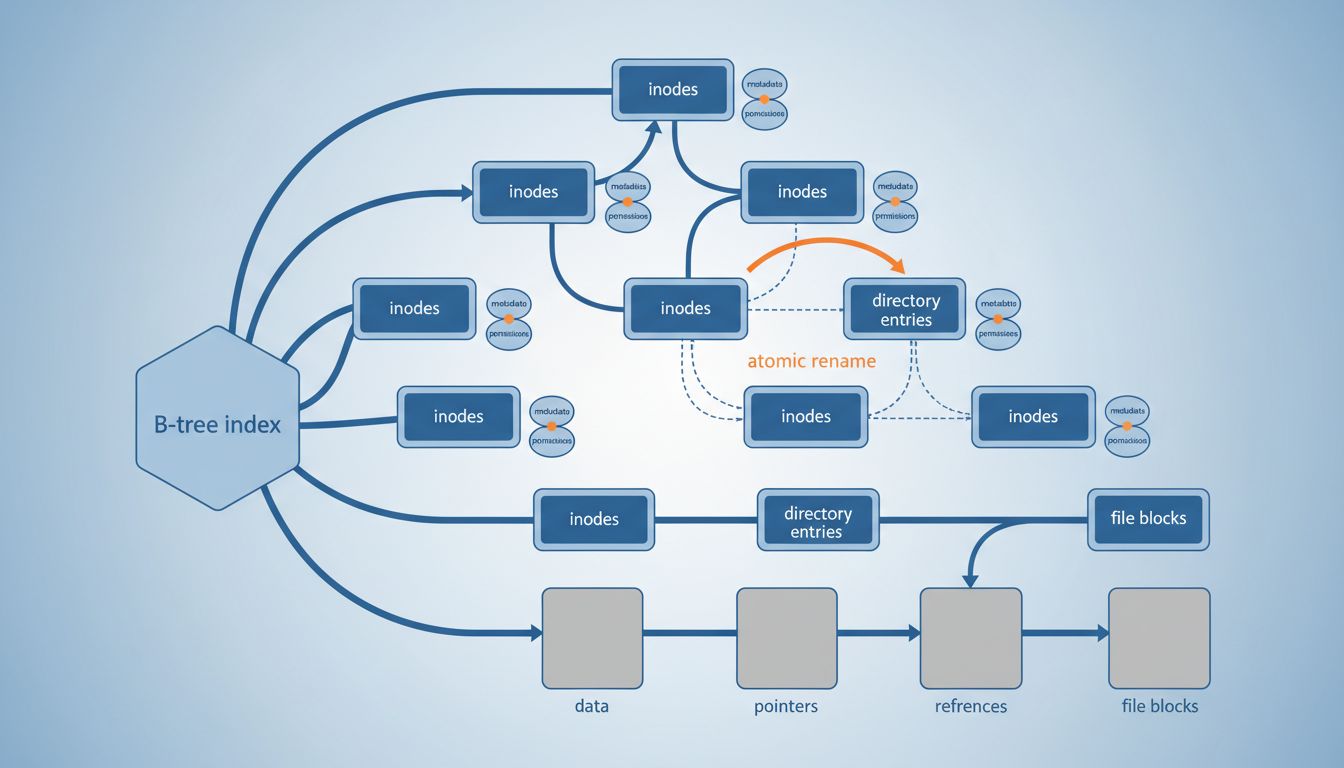
Before you reach for Postgres or Redis, consider what your filesystem already gives you for free: indexing, transactions, access control, and surprisingly good performance.

A DELETE statement looks trivial. Under the hood, it triggers cascades, locks, index rewrites, and compliance obligations that can sink a production system.

That percentage your AI tool displays isn't a real probability. It's a number that looks trustworthy because numbers look trustworthy.

A crash is honest. A concurrency bug lets your program keep running while silently producing wrong answers. That's the more dangerous failure mode.

The best engineers don't write more code. They write less, say less, and design systems that do more with fewer moving parts.

Adding features is easy to justify. Removing them requires confronting sunk costs, unknown dependencies, and users who built their workflows around something you regret shipping.

Between your words and the model's attention lies a pipeline that silently rewrites your request. Understanding it changes how you work with AI.
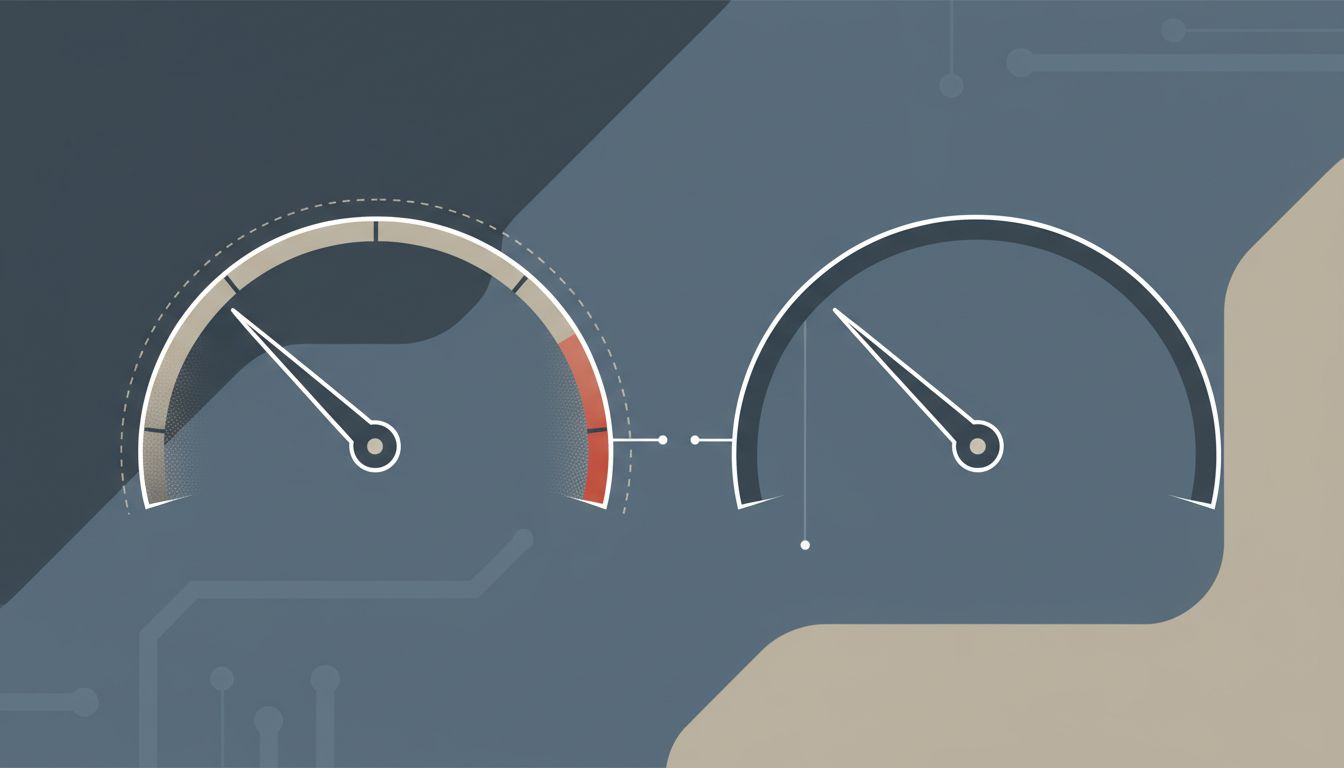
The performance gap between interpreted and compiled languages is real but shrinking fast. More importantly, it's rarely where your bottleneck actually lives.

It looks like cleanup. It often causes outages. Here's what makes dropping a database column one of the most deceptively dangerous operations in software engineering.
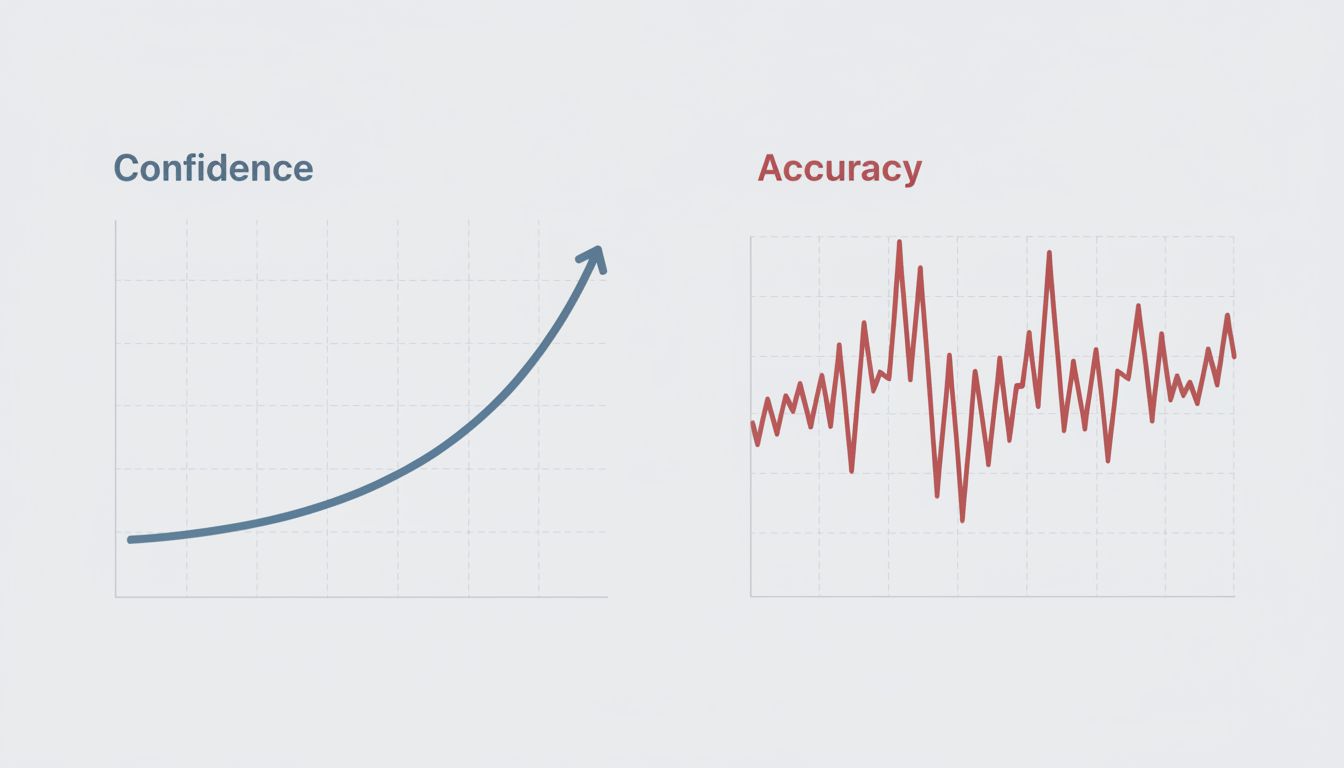
LLMs sound equally certain whether they're right or wrong. That's not a bug to be patched — it's a structural feature of how they work.

More instructions feel like more control. They're often the opposite. Here's what actually happens when you pile rules into a system prompt.

You write prompts like instructions. The model reads them like a probability problem. That gap explains a lot of bad outputs.
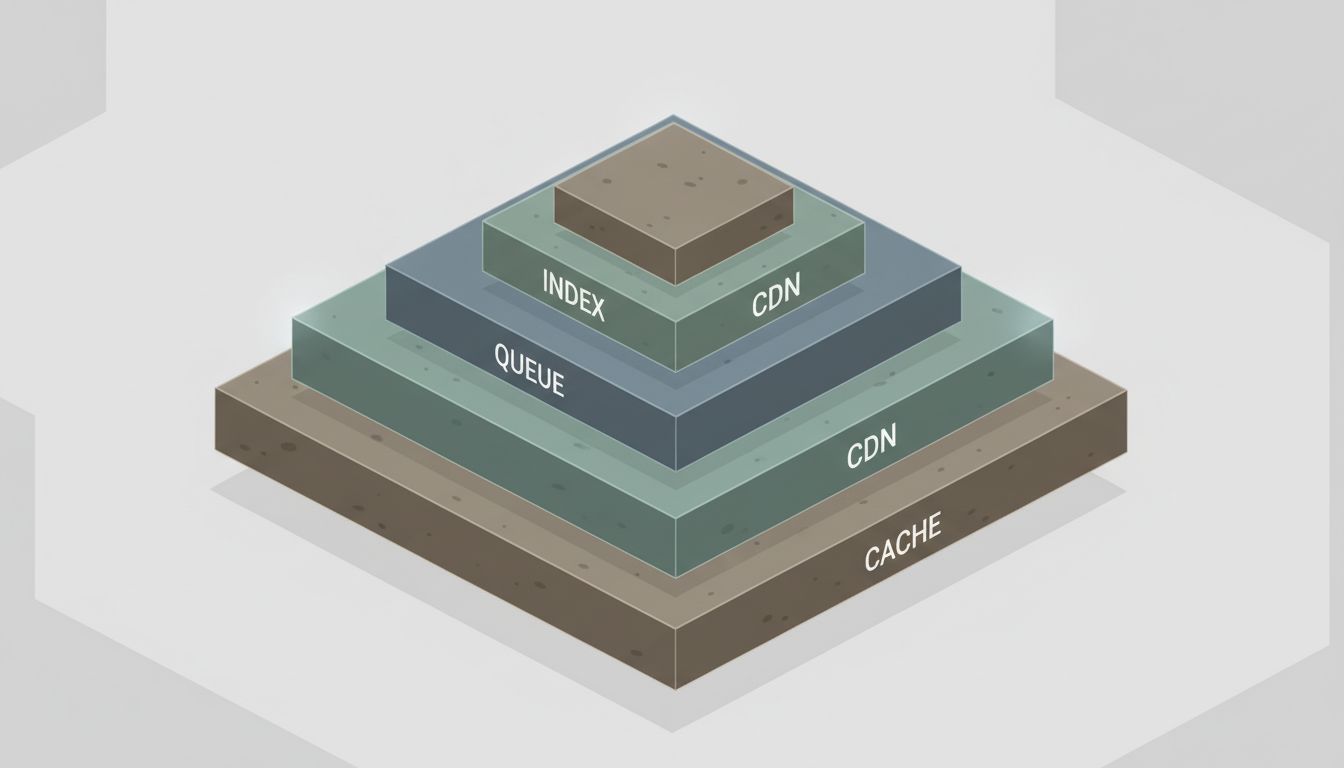
Every optimization adds complexity. Complexity adds overhead. Here's the specific machinery by which your app gains weight every time you try to put it on a diet.

Adding features is easy to justify. Removing them requires confronting sunk costs, user assumptions, and organizational politics all at once.

A race condition that vanished under a debugger taught one team something most engineers learn too late: observation changes what you're measuring.
Join thousands of readers who get our weekly breakdown of the most important stories in technology.
Free forever. Unsubscribe anytime.