AI & Software
The Smarter Your Autocomplete Gets, the Worse You Write
Better autocomplete doesn't make you a better writer. It makes you a faster one, which is a completely different thing.
Inside the algorithms, tools, and systems powering the AI revolution and modern software.
Better autocomplete doesn't make you a better writer. It makes you a faster one, which is a completely different thing.

Embeddings aren't just a preprocessing step. They're quietly making decisions throughout your AI system, and most teams don't realize it until something breaks.

LLMs encounter novel inputs constantly. Here's the mechanical reality of what happens when a model meets context that falls outside its training distribution.

Every bug that only surfaces in production is a failure of imagination in your test suite. Here's how to read what they're actually saying.

Adding more detail to your AI prompts feels like it should help. Sometimes it does the opposite. Here's why, and what to do instead.

Some bugs disappear the moment you look for them. Understanding why is more useful than any debugging trick.
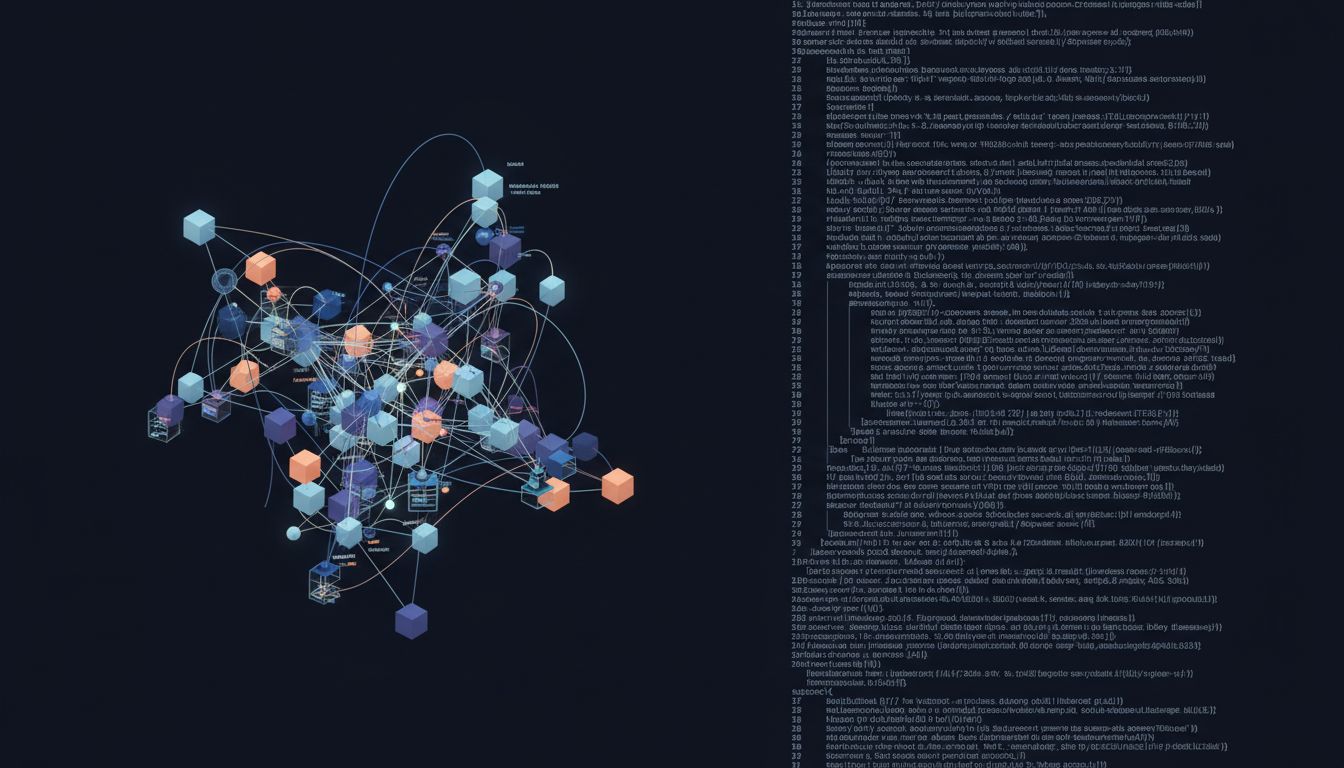
LLMs don't read your code the way you do. Understanding the gap changes how you use them effectively.

The hottest job title in AI is a repackaging of something engineers have done for decades. That doesn't make it useless — it makes it misunderstood.

Most ML pipelines treat preprocessing as housekeeping. It's actually where you make your most consequential modeling decisions, usually without realizing it.
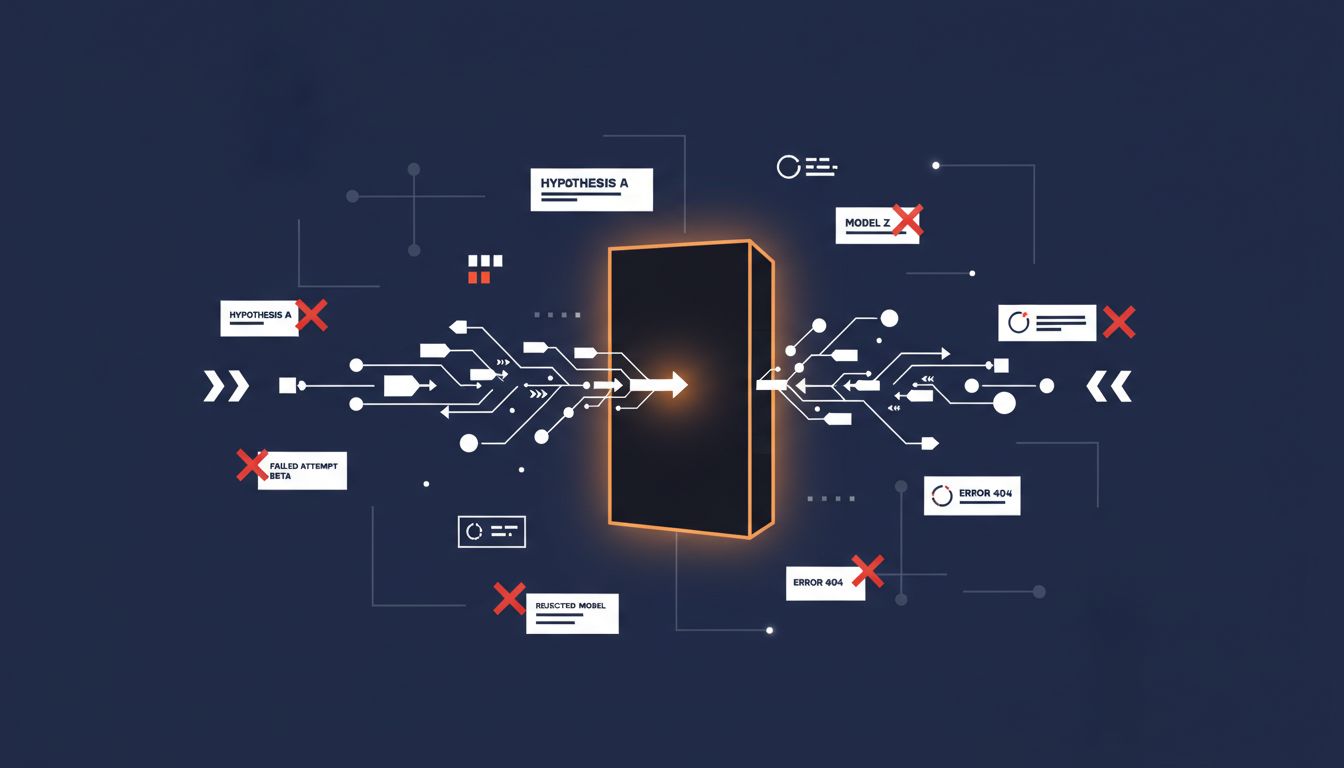
You're not writing instructions. You're probing a black box with language and inferring the rules from what comes back.
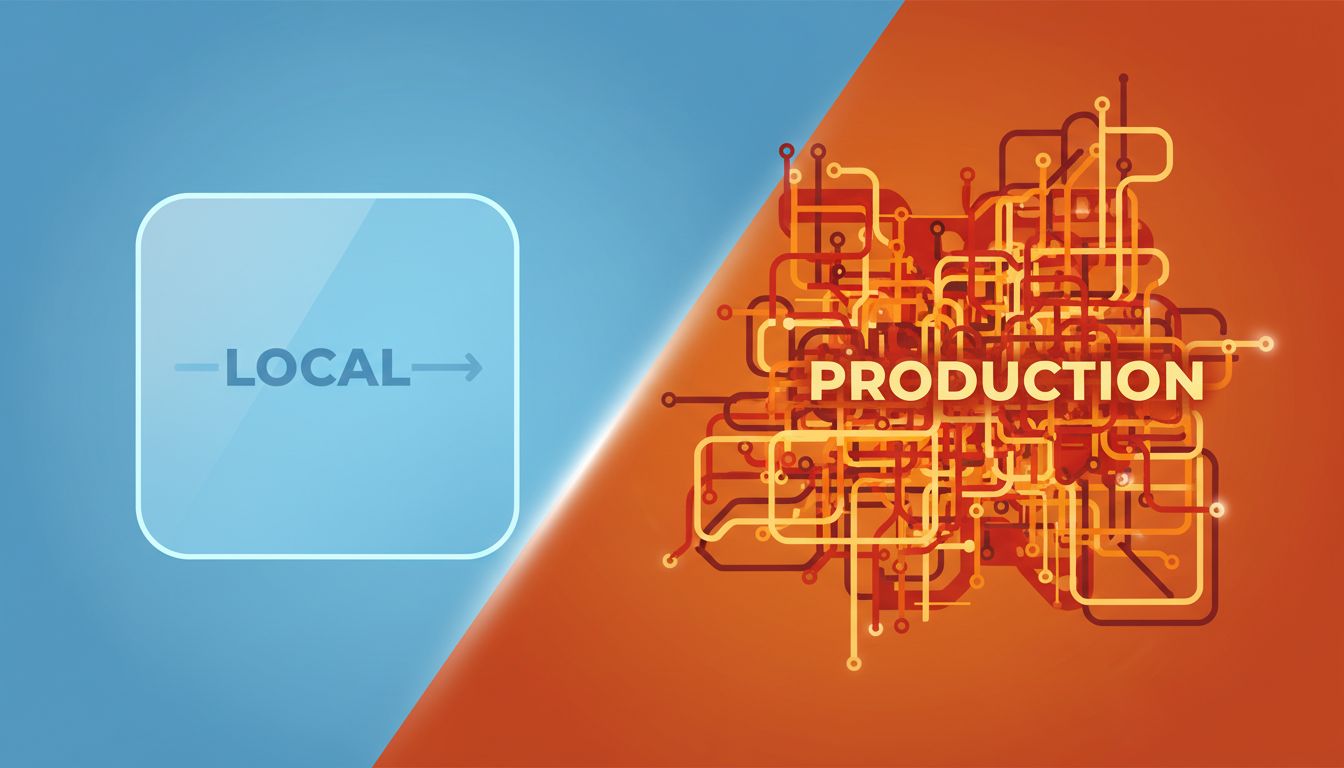
Local testing catches the bugs you anticipated. Production exposes the ones you didn't know to look for. Here's why that gap is structural, not accidental.

A prompt that works perfectly today can silently break after a model update. Here's what happened to one team who found out the hard way, and how to build prompts that survive.

The attention mechanism fixed sequence modeling but left data hunger, compute costs, and context limits mostly unsolved. The bottleneck just moved.
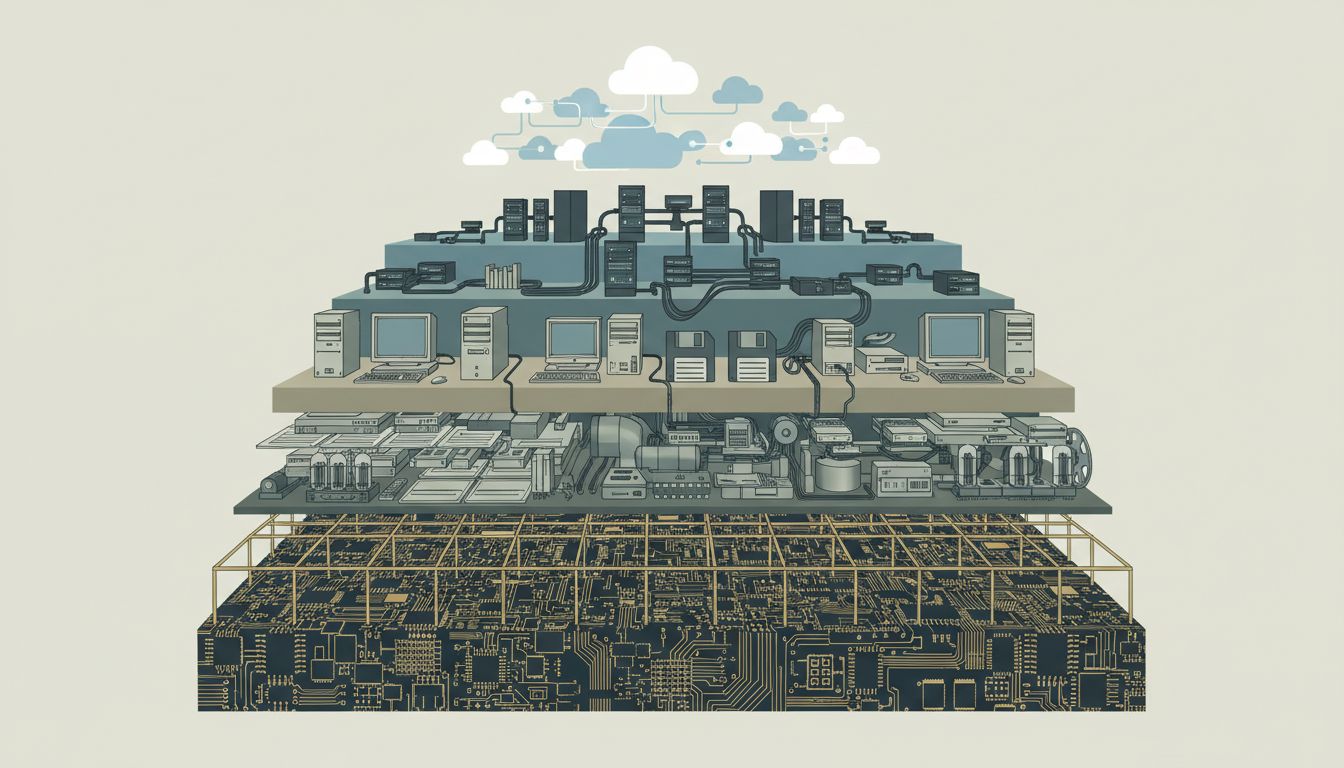
The oldest, ugliest code in your stack is often load-bearing in ways no one fully understands. That's not a coincidence.

Most prompt advice is pattern-matching without understanding. Once you see how attention actually works, the patterns stop being magic and start making sense.

A fintech team's recurring production incident revealed something uncomfortable: their test suite wasn't broken. It was testing the wrong reality entirely.

Every abstraction you write is a bet that you've understood the problem well enough to compress it. The best ones compress it out of existence.

Most people think of prompting as talking to a system. It's not. Your text gets transformed in ways that fundamentally shape what comes back.
Join thousands of readers who get our weekly breakdown of the most important stories in technology.
Free forever. Unsubscribe anytime.