
Startup Strategy
The Startup That Refuses to Scale Is Worth Acquiring
Acquirers chase growth metrics and end up with bloated teams and collapsing margins. The real targets are the companies that said no to scaling.

Jordan Rivera is a startup strategy writer who has spent a decade in the venture capital ecosystem. From seed-stage founder to growth-stage advisor, Jordan writes about the real decisions founders face, the ones that rarely make it into press releases.
Acquirers chase growth metrics and end up with bloated teams and collapsing margins. The real targets are the companies that said no to scaling.

Landing early customers feels like validation. Often it's a trap. The customers willing to pay for an unfinished product are frequently the ones who will sink you.

Airbnb's 2009 seed deck didn't convince investors of anything new. It confirmed beliefs they already held. That's the lesson most founders miss.

Being first is overrated. The founder who comes second knows something the pioneer doesn't: what actually matters to customers.
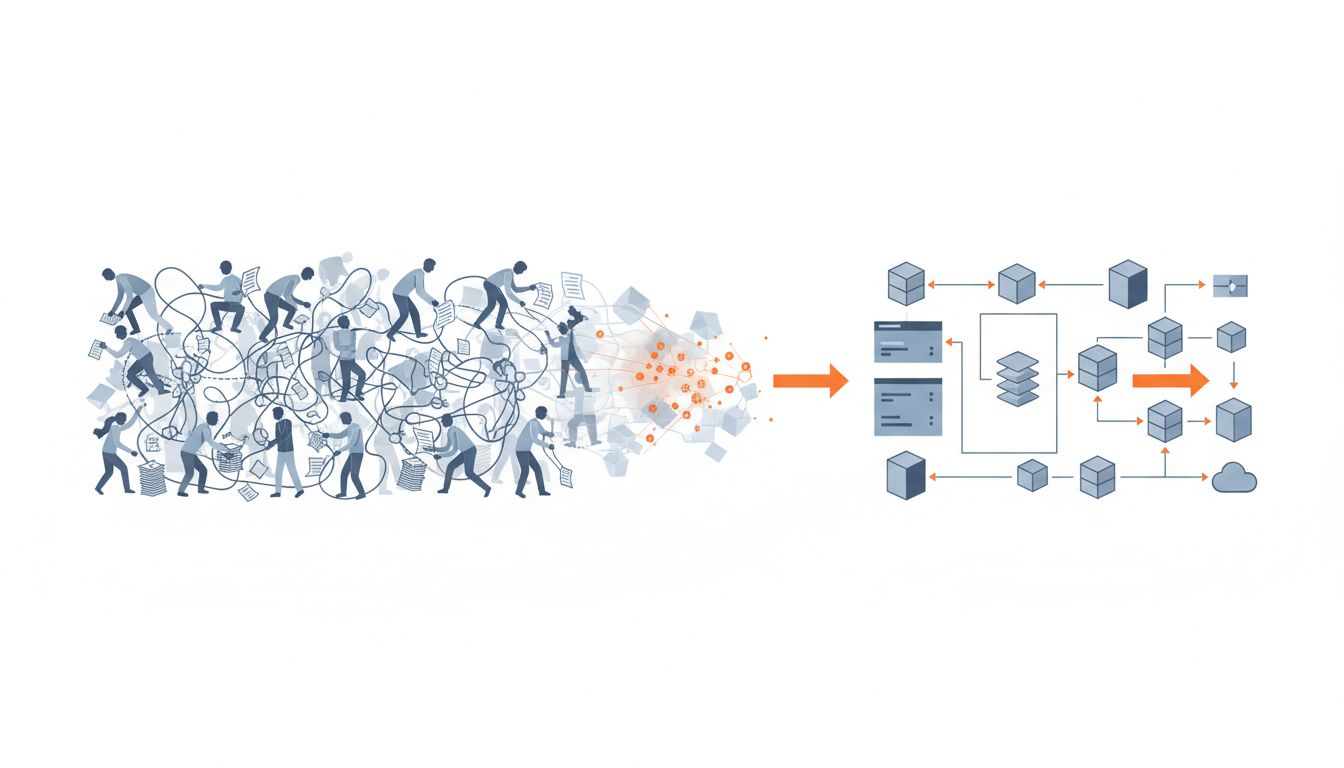
Investors punish startups that look like agencies. They're often wrong. The messy, human-intensive companies are sometimes building the most durable software in their category.

Before you have a product, you're still selling something. Knowing what that is determines whether you get off the ground.

First-time founders are naive enough to be fearless. The second time, you know exactly what can go wrong. That knowledge is a liability.

The client relationship that nearly tanks your startup often signals you've found someone who actually cares. That's rarer than it sounds.

Early Dropbox faced intense pressure to go enterprise. Understanding why they resisted, and what happened when they briefly didn't, is a masterclass in knowing which customer to believe.
Every famous pivot story has a villain. It's usually the first customer the founders thought they needed.

Underpricing feels safe. It's one of the most reliable ways to kill a company before it ever gets the chance to figure out what it's actually worth.

Being first sounds like an advantage. For most tech companies, it's actually a burden they hand off to whoever comes second.

Counterintuitive but consistent: the companies that dominate their categories usually spent years refusing to grow. Here's why that's not a coincidence.

The best technology rarely wins. Markets reward something else entirely, and once you see it, you can't unsee it.

Founders spend years chasing their original vision when the real opportunity is hiding in the wreckage of it. Here's why the pivot is the product.
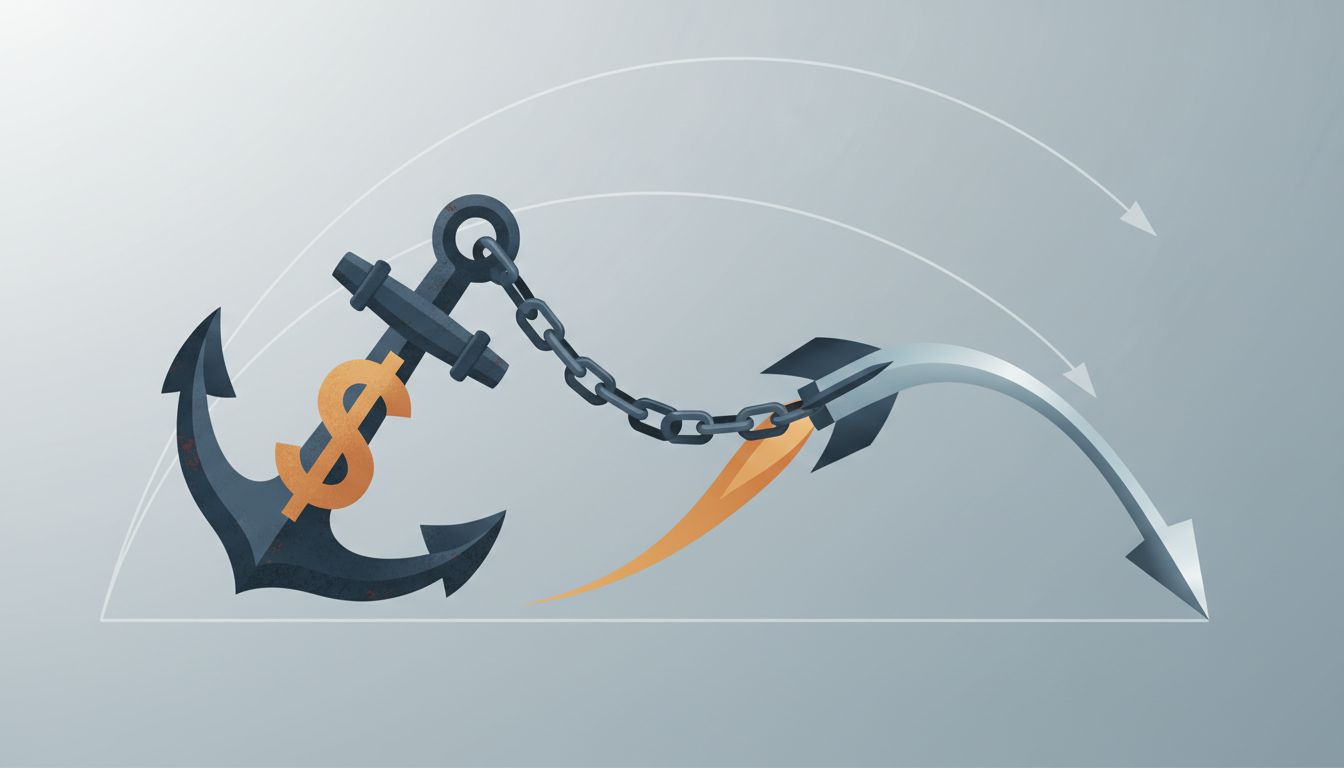
Losing your largest account sounds like a catastrophe. Sometimes it's the best growth decision you'll ever make.

The trick isn't hype. It's finding the specific people who already feel the pain your product will solve, and getting them to bet on you personally.

The bill for a cheaper engineering team doesn't arrive at signing. It arrives six months later, in rewrites, delays, and turnover.
Join thousands of readers who get our weekly breakdown of the most important stories in technology.
Free forever. Unsubscribe anytime.