Digital Productivity
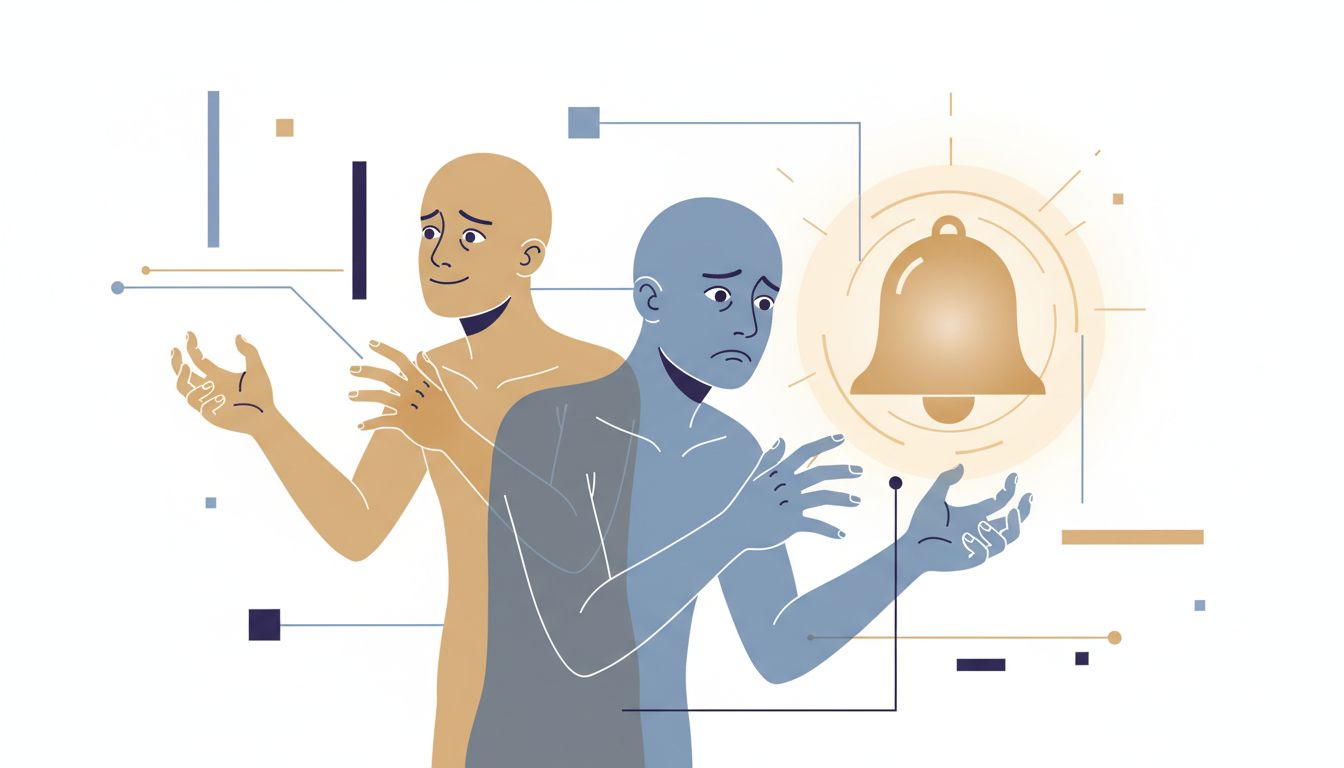
Every Notification Is a Request From Your Past Self
You set up those alerts for good reasons. The problem is you were a different person then, optimizing for different things.
Lena Park writes about software development practices, developer tools, and the culture of building software. A full-stack developer turned writer, she covers how engineering teams actually work: from architecture decisions to deployment strategies.
You set up those alerts for good reasons. The problem is you were a different person then, optimizing for different things.

Prompt engineering feels like skill until a model update quietly invalidates your work. Here's why that happens and what to do about it.

Most people do their hardest thinking at peak cognitive hours, then spend those hours in meetings and email. Here's why that keeps happening and how to stop it.
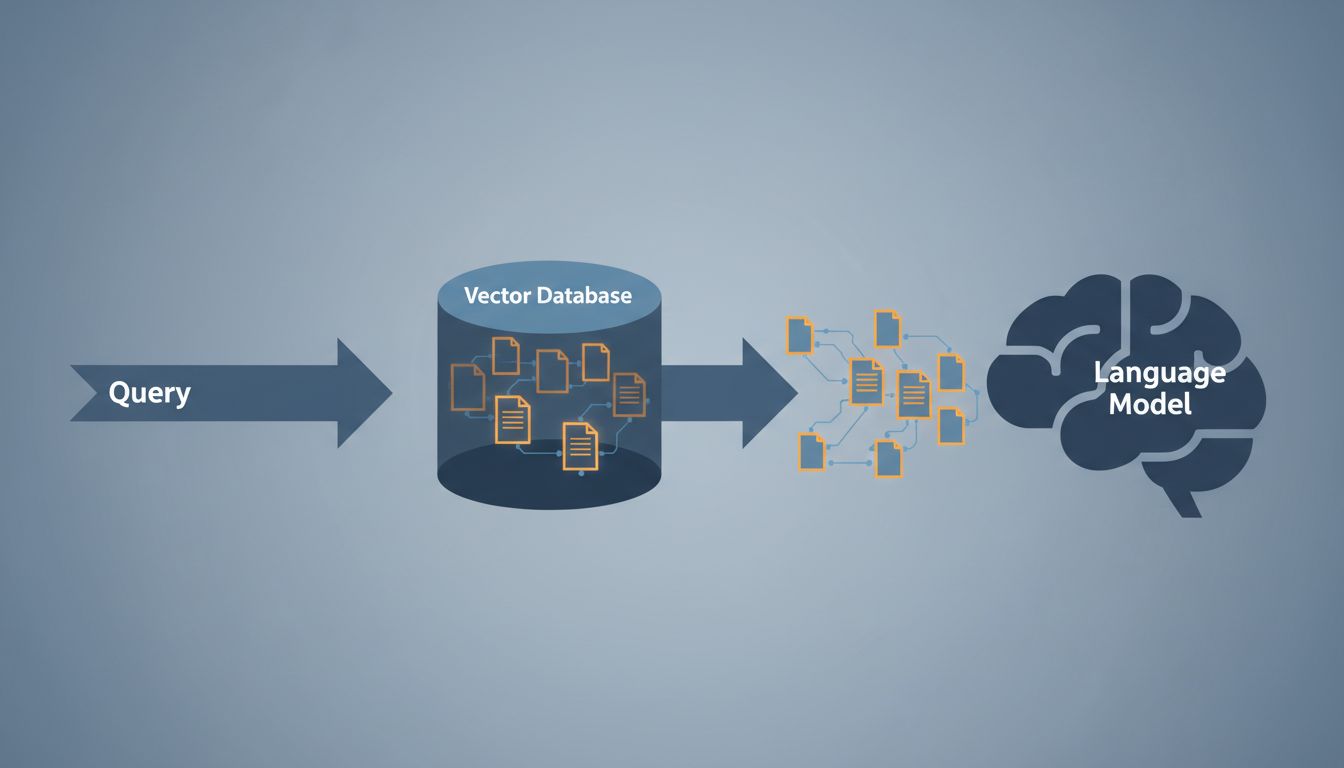
Retrieval-Augmented Generation is genuinely useful, but it's solving a narrower problem than most teams think. Here's what it actually does and doesn't fix.

Bigger context windows don't mean better memory. They introduce a specific failure mode where models systematically ignore the middle of what you give them.

Most task managers are built around the satisfying act of capture, not completion. That's a design decision, and it's quietly working against you.
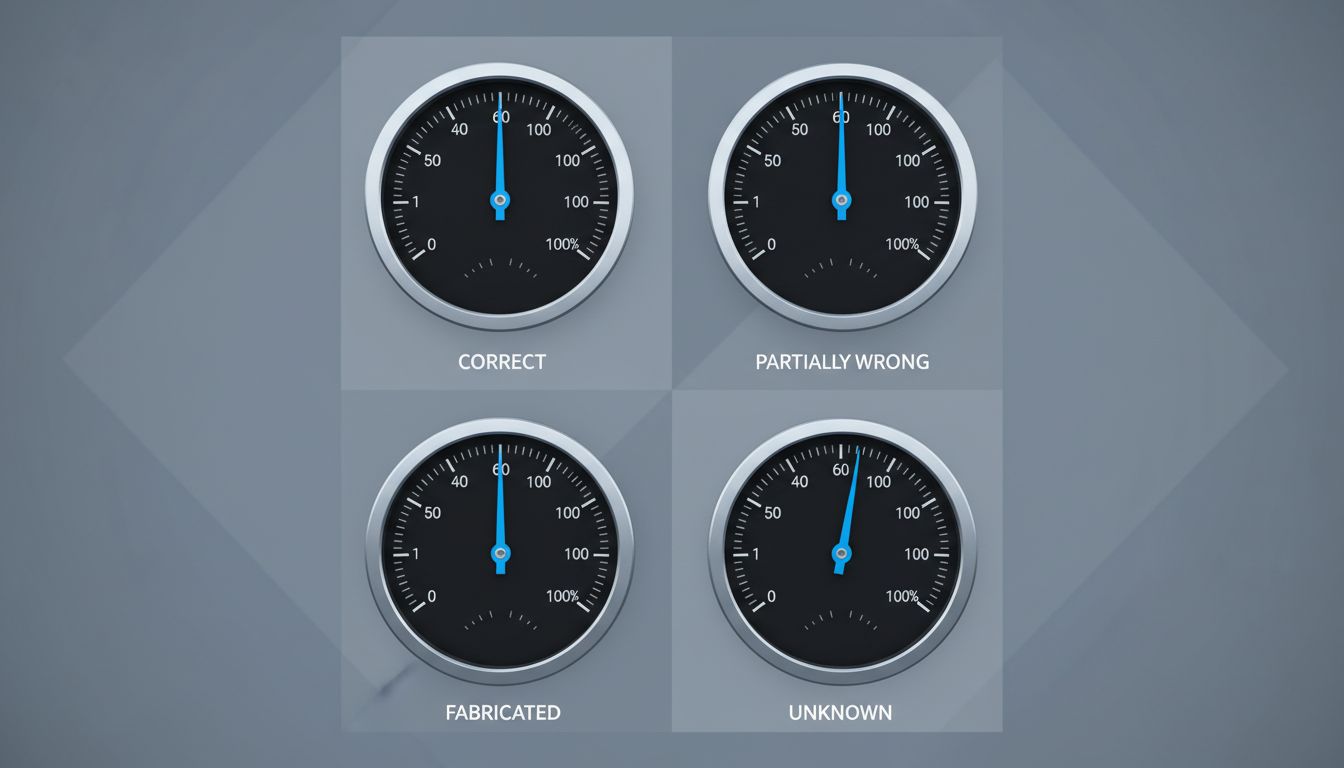
Large language models output certainty as a stylistic default. Here's why that's a harder problem than it sounds, and what it means for trusting AI output.
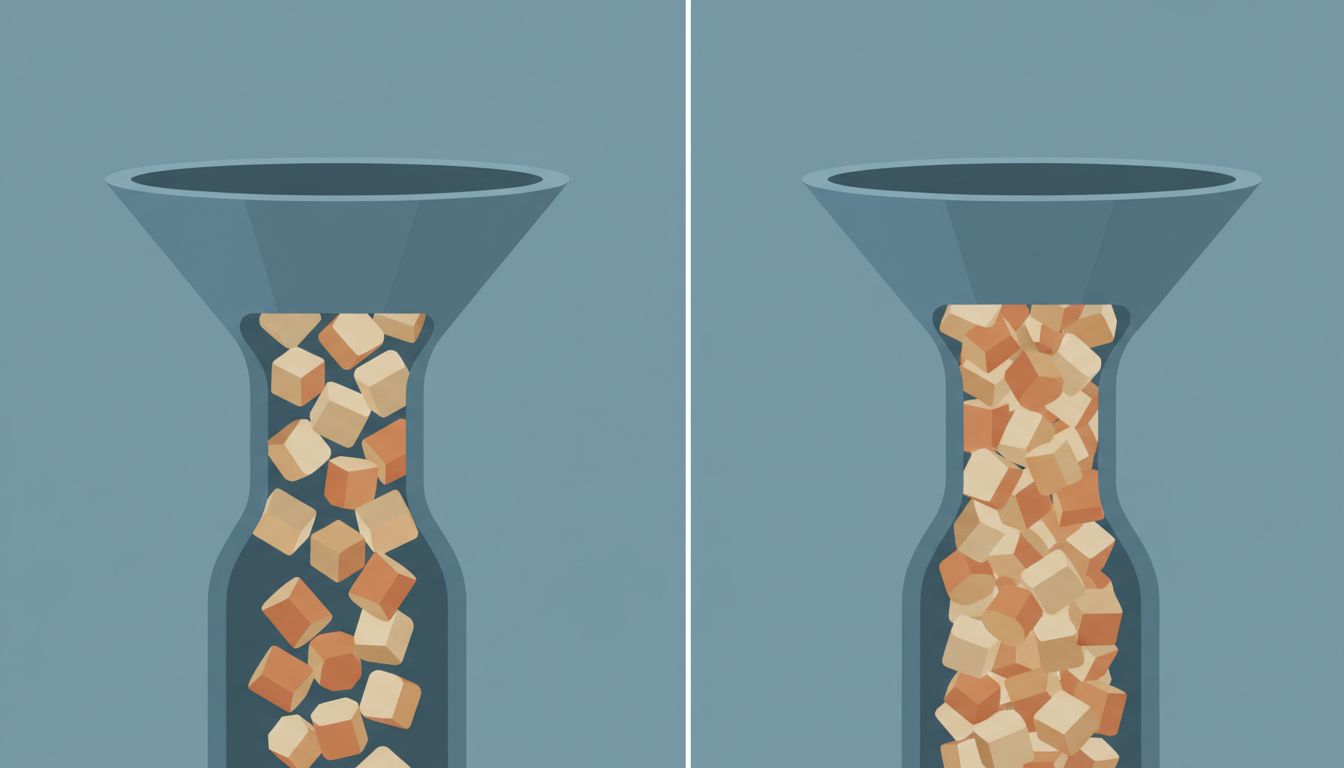
To-do apps are designed around the satisfying act of capture. The harder problem, deciding what to actually work on, they leave entirely to you.

LLMs don't crash when they hit unknown territory. They improvise, and understanding how reveals a lot about when to trust them.
A product team at Basecamp accidentally ran a natural experiment in meeting culture. What they found reframed how the whole company thought about synchronous work.
AI coding assistants generate plausible-looking code but have no mechanism to verify correctness. That's not a bug to be patched. It's structural.
Every productivity framework promises a better you. The one that actually works looks nothing like the ones being sold.
Code generation models predict plausible syntax, not working software. Understanding that distinction changes how you should use them.
Parkinson's Law isn't just about bureaucracy. It's quietly governing your most valuable technical work, and you're probably helping it.
Canceling a meeting isn't procrastination. It's often the most productive decision you'll make all day, and here's the mechanism that explains why.

If a bug only shows up once and then vanishes, that's not luck. That's a system telling you something about its own hidden complexity.
Most task managers are optimized for capture, not completion. The design choices that make adding tasks frictionless are the same ones that bury the work that actually matters.

Bigger AI models aren't always better. Smaller, focused models are faster, cheaper, and often more accurate at the tasks that actually matter.
Join thousands of readers who get our weekly breakdown of the most important stories in technology.
Free forever. Unsubscribe anytime.