
AI & Software
The Prompt You Write Isn't the Prompt the Model Reads
Between your words and the model's attention lies a pipeline that silently rewrites your request. Understanding it changes how you work with AI.
Inside the algorithms, tools, and systems powering the AI revolution and modern software.
Between your words and the model's attention lies a pipeline that silently rewrites your request. Understanding it changes how you work with AI.

Bigger AI models aren't always better. Smaller, focused models are faster, cheaper, and often more accurate at the tasks that actually matter.

Semantic search feels like magic. The mechanics underneath are concrete, learnable, and worth understanding if you're building anything with AI.
A fintech team shipped faster than ever with AI assistance. Then a senior engineer left and nobody could explain the codebase. A cautionary pattern worth taking seriously.

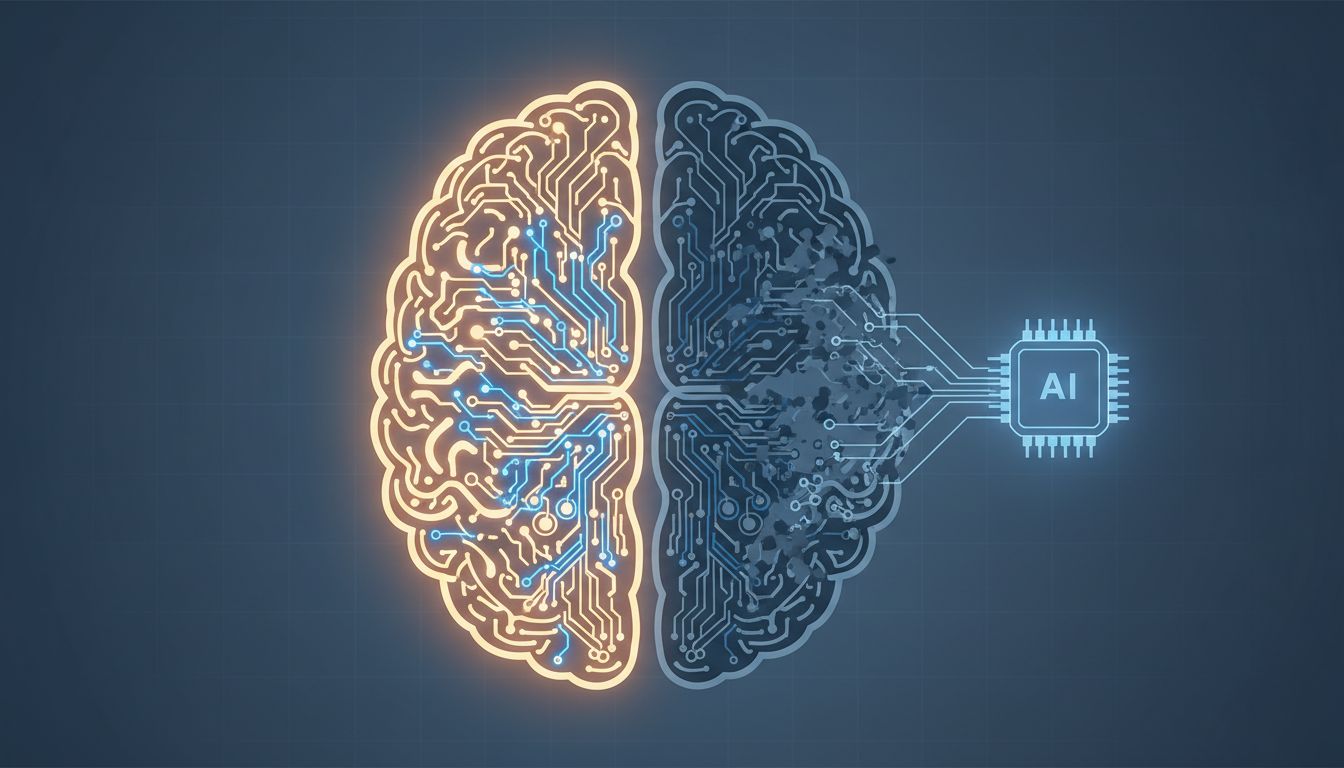
Model collapse is real, measurable, and already happening in the wild. Here's what it looks like mechanically and why it matters.
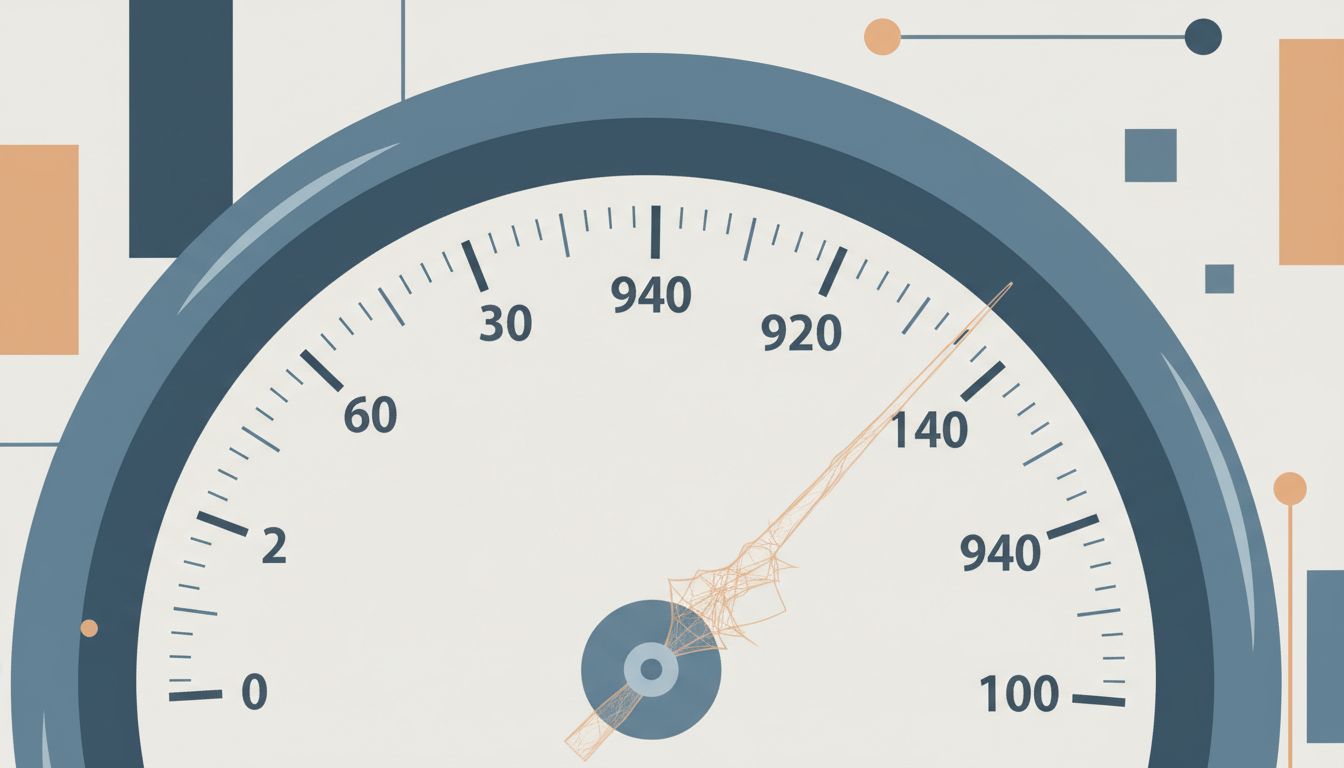
AI models display confidence scores as if they're meaningful quality signals. They're not. Here's what's actually happening under the hood.

LLMs generate code by predicting plausible text, not by reasoning about execution. Understanding that gap changes how you use them.
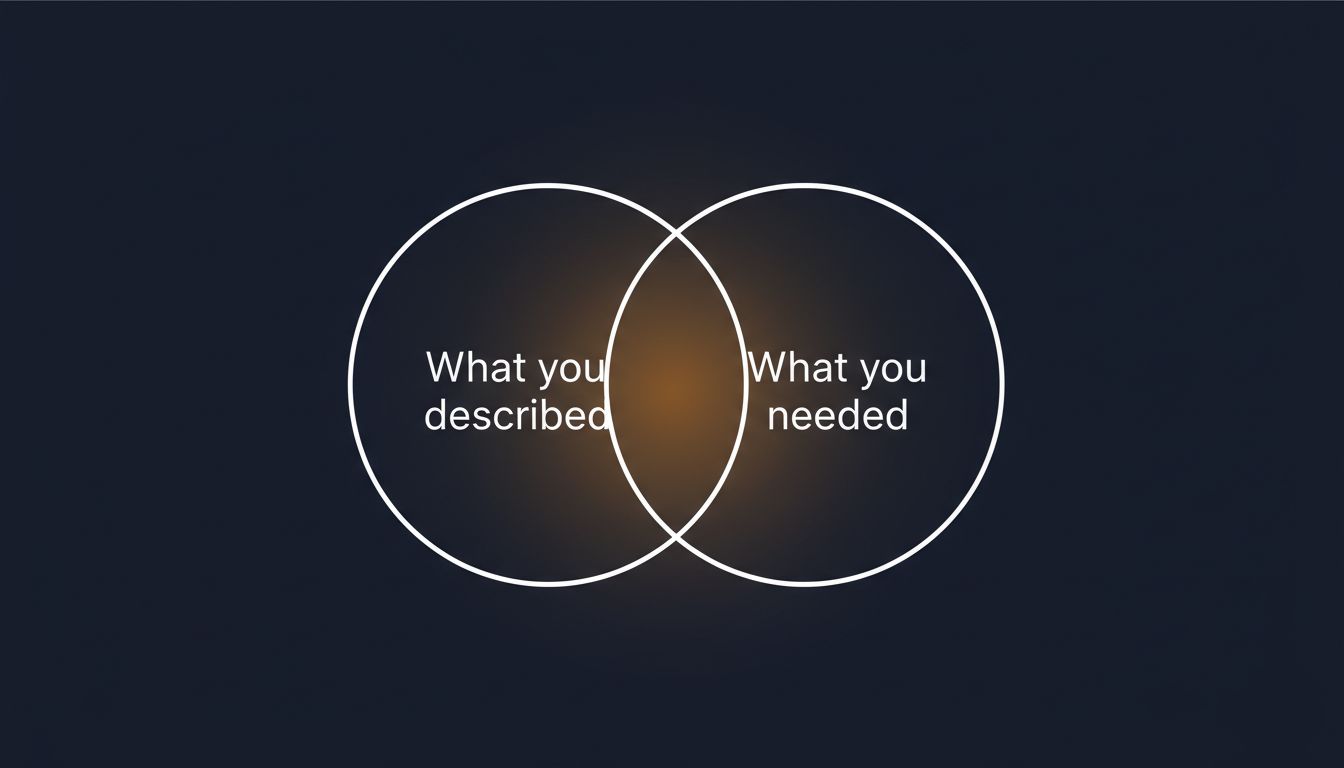
AI coding tools produce fluent, well-structured code. They also produce bugs rooted in context they never had. Here's how to work with that limitation.

Every line of code you keep is a liability. The best engineers know that removing code is often the highest-value work they can do.
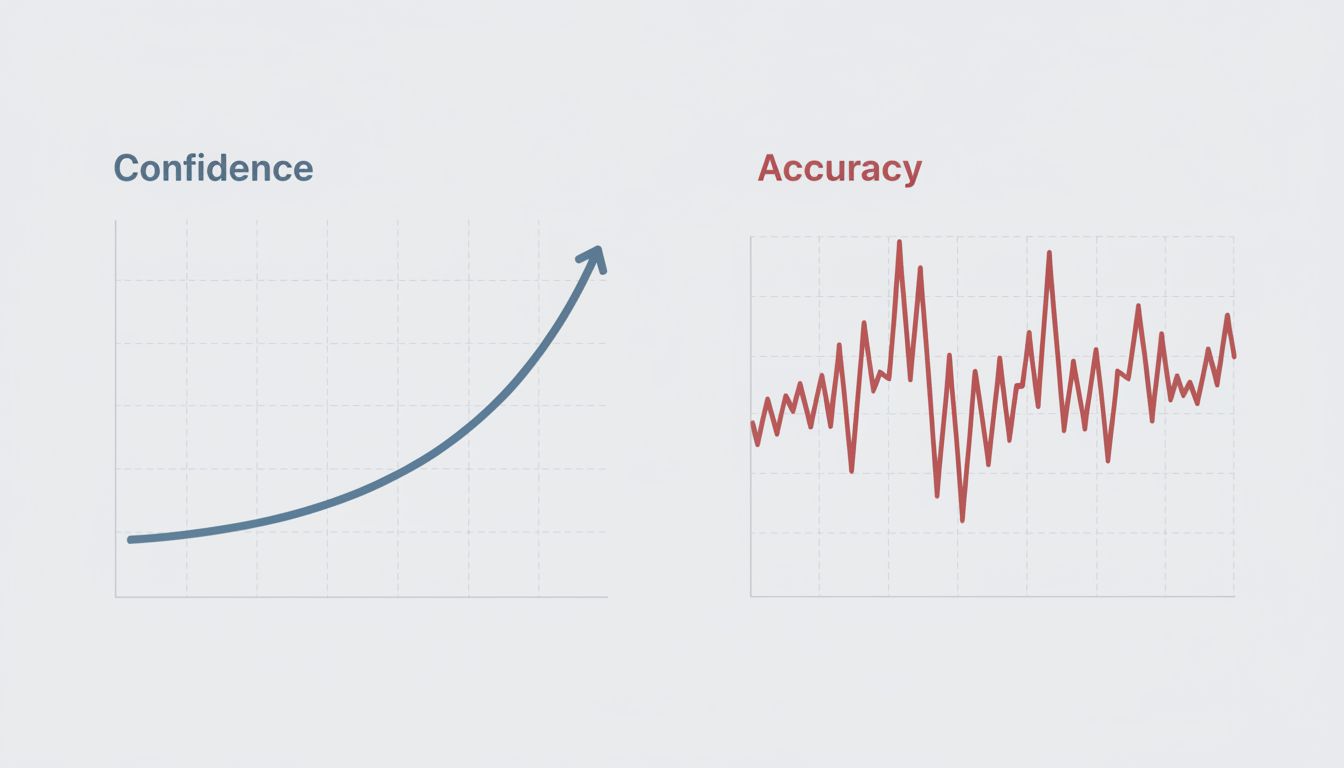
LLMs sound equally certain whether they're right or wrong. That's not a bug to be patched — it's a structural feature of how they work.

AI models don't hedge at the edges of their knowledge. They extrapolate smoothly and state the result as fact. Here's what's actually happening.

Bigger AI models aren't always better. Smaller, focused models are often faster, cheaper, and more accurate for real tasks.

More instructions feel like more control. They're often the opposite. Here's what actually happens when you pile rules into a system prompt.
You write prompts like instructions. The model reads them like a probability problem. That gap explains a lot of bad outputs.

AI writing tools are getting genuinely impressive. That's exactly why they're quietly degrading the cognitive skill they're supposed to support.

Softmax converts raw model scores into probabilities. But what it actually does to those scores in the process is stranger and more consequential than most explanations let on.

A race condition that vanished under a debugger taught one team something most engineers learn too late: observation changes what you're measuring.

Your LLM can technically read a novel. Whether it actually processes that novel is a different question entirely.
Join thousands of readers who get our weekly breakdown of the most important stories in technology.
Free forever. Unsubscribe anytime.