Digital Batching Is How High-Output Professionals Stop Losing Hours to Constant Switching
Context switching costs more than you think. Digital batching is the practical fix that high-output professionals actually use.
Tools, workflows, and strategies for getting more done with technology.
Context switching costs more than you think. Digital batching is the practical fix that high-output professionals actually use.
Opening a tab feels like saving something. It isn't. Here's what's actually happening to your attention each time you do it.
Blocking empty time on your calendar isn't laziness or a productivity hack. It's how cognitive work actually recovers and compounds.
Filling every hour feels productive. It isn't. Here's what's actually happening in your brain when you do nothing, and why blocking it on your calendar is serious engineering.
The deadline sprint isn't luck or adrenaline. It's a specific cognitive state you can learn to manufacture on purpose.
Cognitive offloading isn't a productivity hack. It's how your brain was designed to work, and most people are fighting it.
The reason you do your best work at the last minute isn't procrastination. It's that deadlines eliminate the thing quietly killing your focus all day.
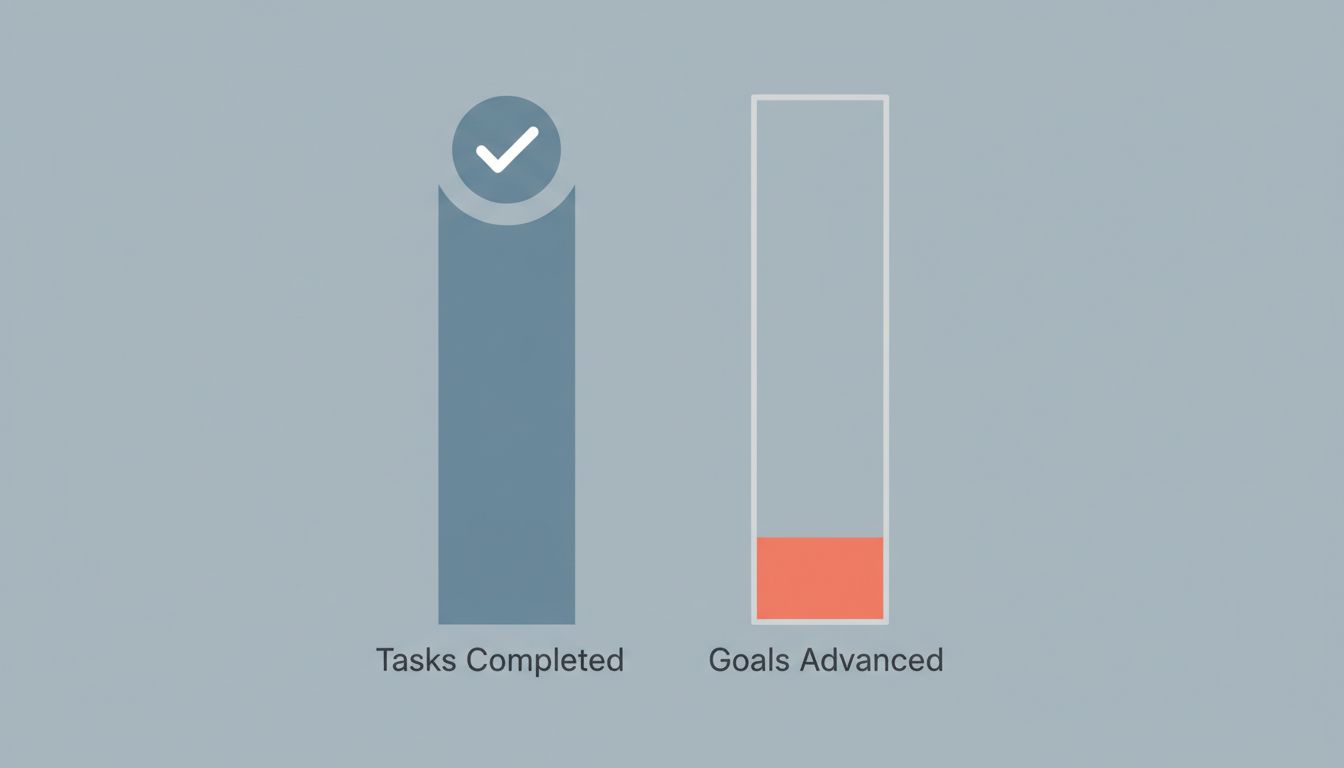
Always-on teams confuse activity with output. The best distributed teams have figured out that async communication isn't a compromise, it's a structural advantage.
A product team's investigation into why their best engineers kept shipping shallow work uncovered something hiding in plain sight: the tab bar.
The most productive people don't work in long unbroken stretches. They work in short, deliberate bursts — and the science of how brains process information explains why.
The end-of-day productivity surge isn't magic. It's what focus looks like when everything else finally stops competing for your attention.
More apps, more integrations, more workflows. The power user has it all. The digital minimalist has better output. Here is why constraints win.
Every open tab is an unfinished thought. Here is what that costs you, and how to stop paying it.
Basecamp's approach to structured time blocks offers a concrete model for anyone whose calendar has drifted into chaos.
Every time you switch tasks, a fragment of your attention stays stuck on what you just left. Tech companies have started designing work systems around this, and the results are uncomfortable to look at.
The shower, the walk, the drive — these aren't interruptions to your thinking. They're where the actual thinking happens.
Protecting focused work time is not about work-life balance. It is a structural advantage that compounds over time and most companies are too afraid to claim it.
The 40% productivity penalty from multitasking is real, and the mechanism behind it explains why the fix is counterintuitive.
Join thousands of readers who get our weekly breakdown of the most important stories in technology.
Free forever. Unsubscribe anytime.