
Tech Economics
The Cheapest Cloud Option Almost Never Is
A mid-size SaaS company picked the lowest sticker price and spent the next 18 months paying for it. The real cost was never on the pricing page.
The business models, market forces, and financial dynamics driving the tech industry.
A mid-size SaaS company picked the lowest sticker price and spent the next 18 months paying for it. The real cost was never on the pricing page.

Headcount is a cost, not a competitive advantage. The companies with the best margins figured this out before it became obvious.

Picking the almost-cheapest cloud tier feels prudent. It isn't. The real costs accumulate in the gap between what you chose and what you actually needed.
AMD spent years as Intel's underdog. Then it figured out that second place, managed correctly, is a more profitable position than first.
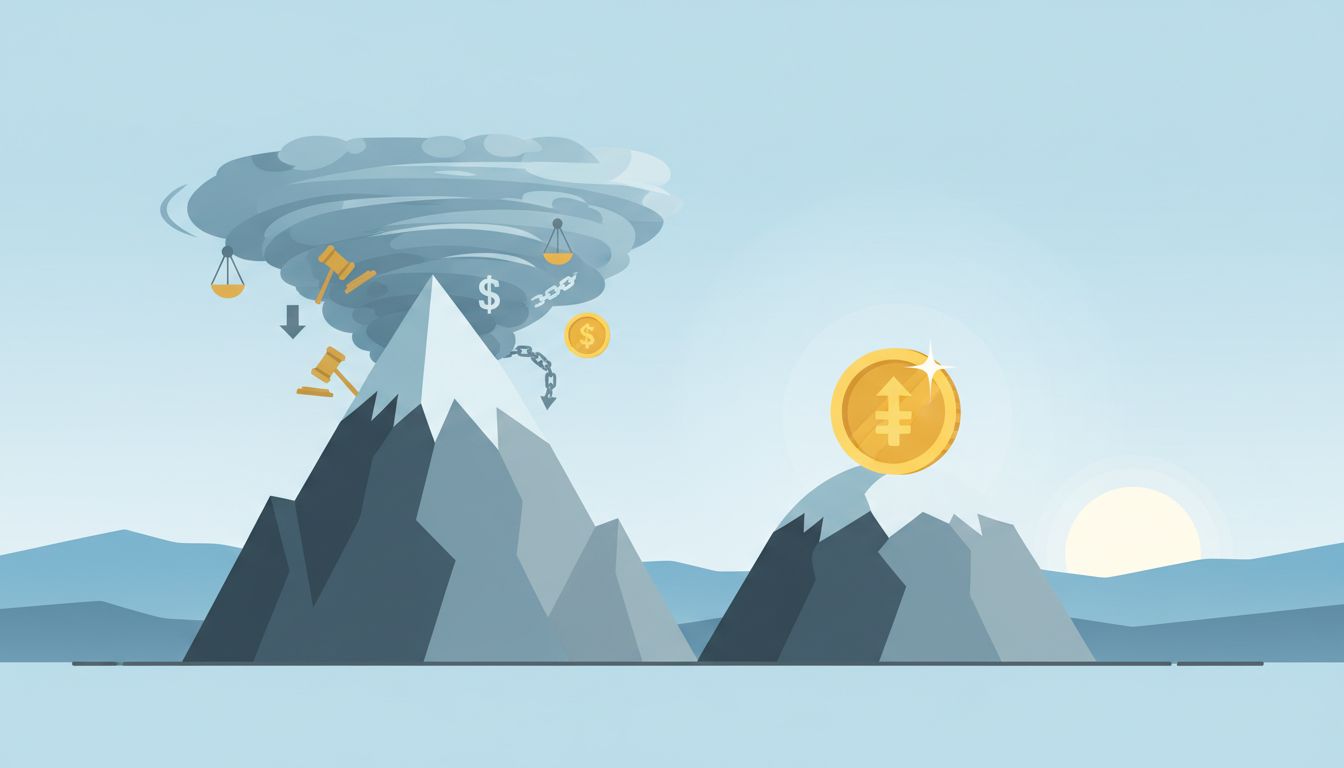
Market leaders carry burdens that #2 companies never have to bear. That asymmetry quietly determines who actually makes money.
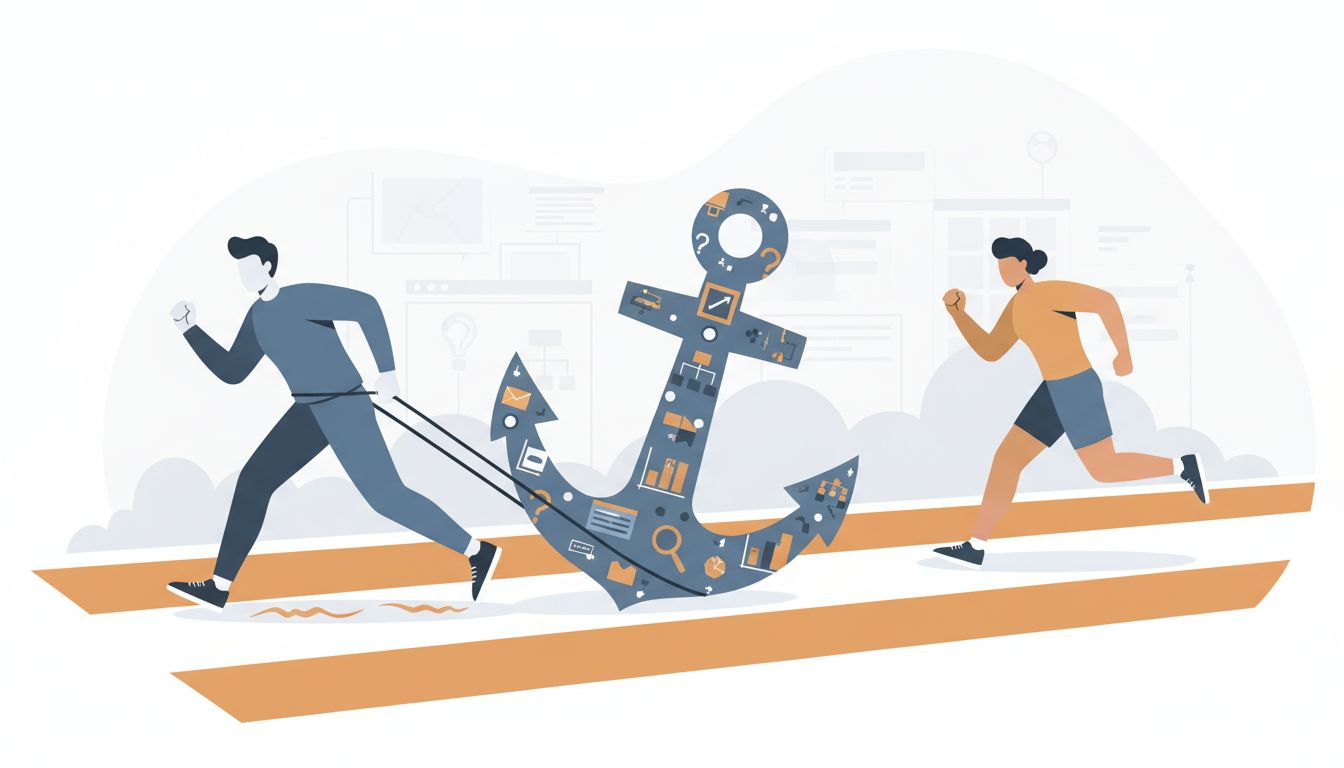
Being first to market with the best product is a trap. The companies that profit most from a new market are rarely the ones who built it.

Being first in tech often means paying the education costs so a better-positioned rival can collect the tuition. The numbers back this up.
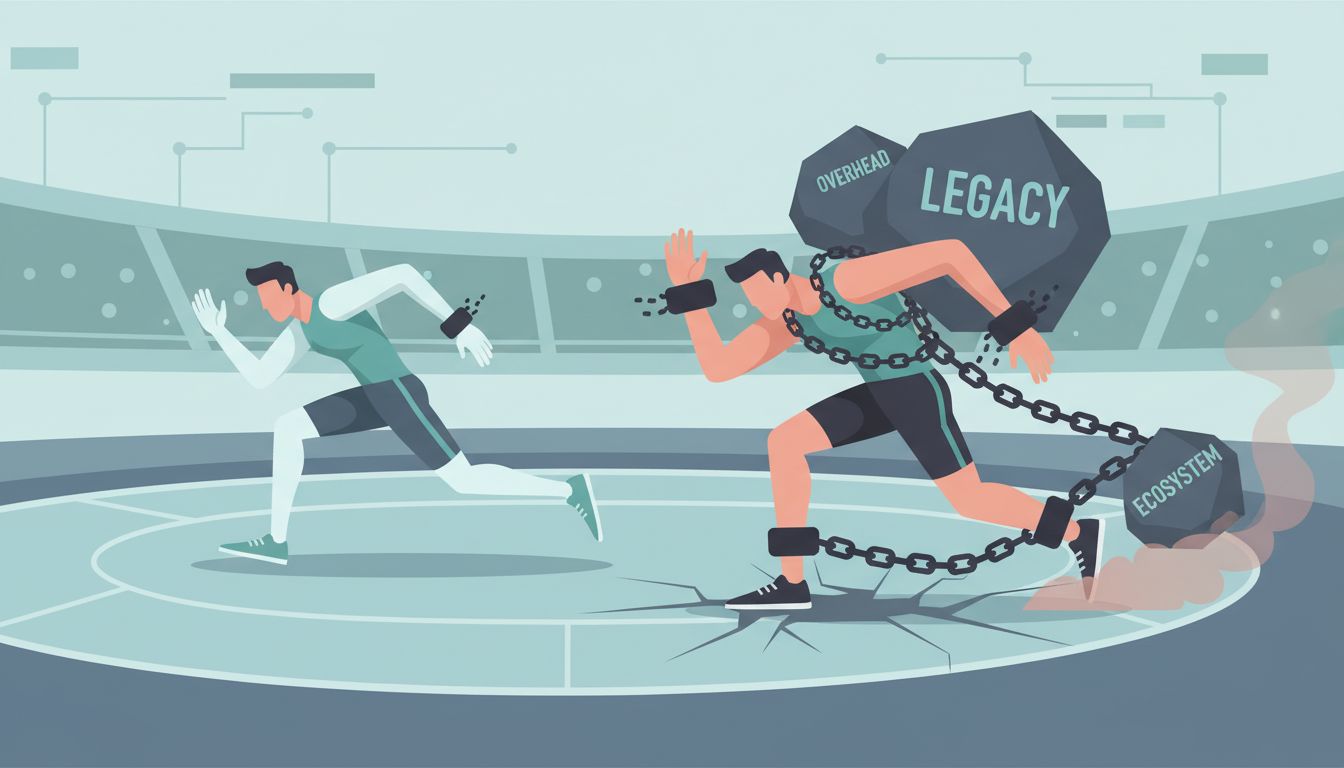
AMD spent years as Intel's shadow. That positioning, not a product breakthrough, is what eventually made it one of the most profitable chip companies in the world.
The marginal cost of software is genuinely zero. The price never is. Understanding the gap between those two facts explains most of how the tech industry works.
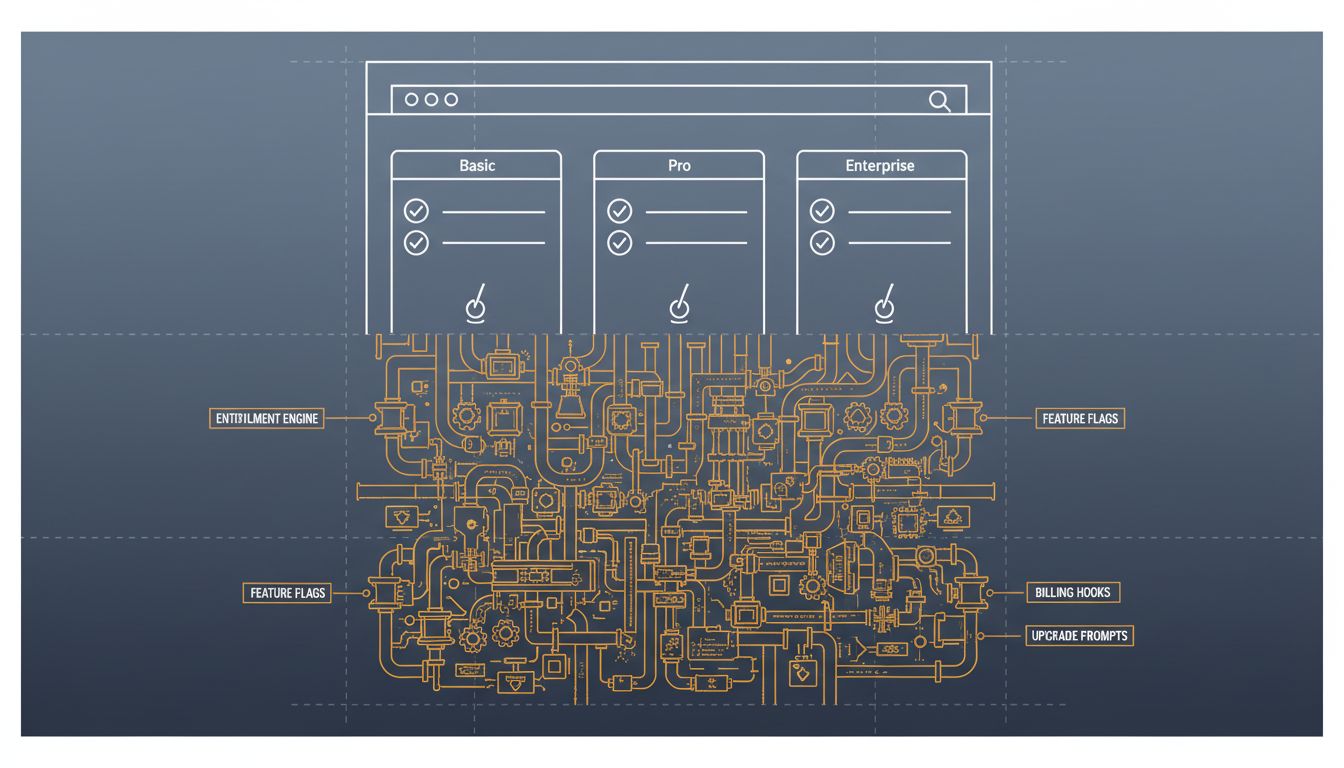
At most SaaS companies, the team building the pricing page touches more revenue than anyone else. Almost nobody treats them that way.
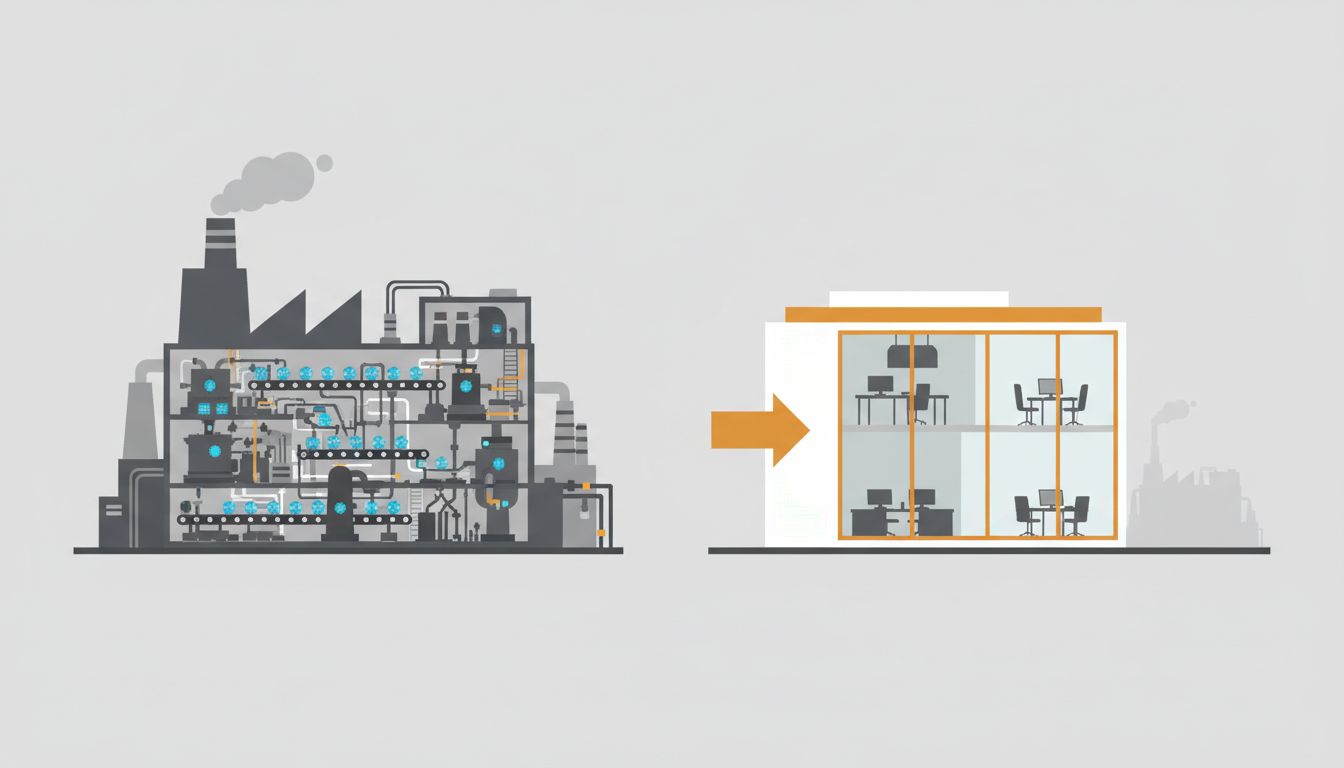
Being number two in a market often means skipping the costs that come with being number one. AMD's rise shows exactly how that math works.

Being first sounds like an advantage. For most tech companies, it's actually a burden they hand off to whoever comes second.

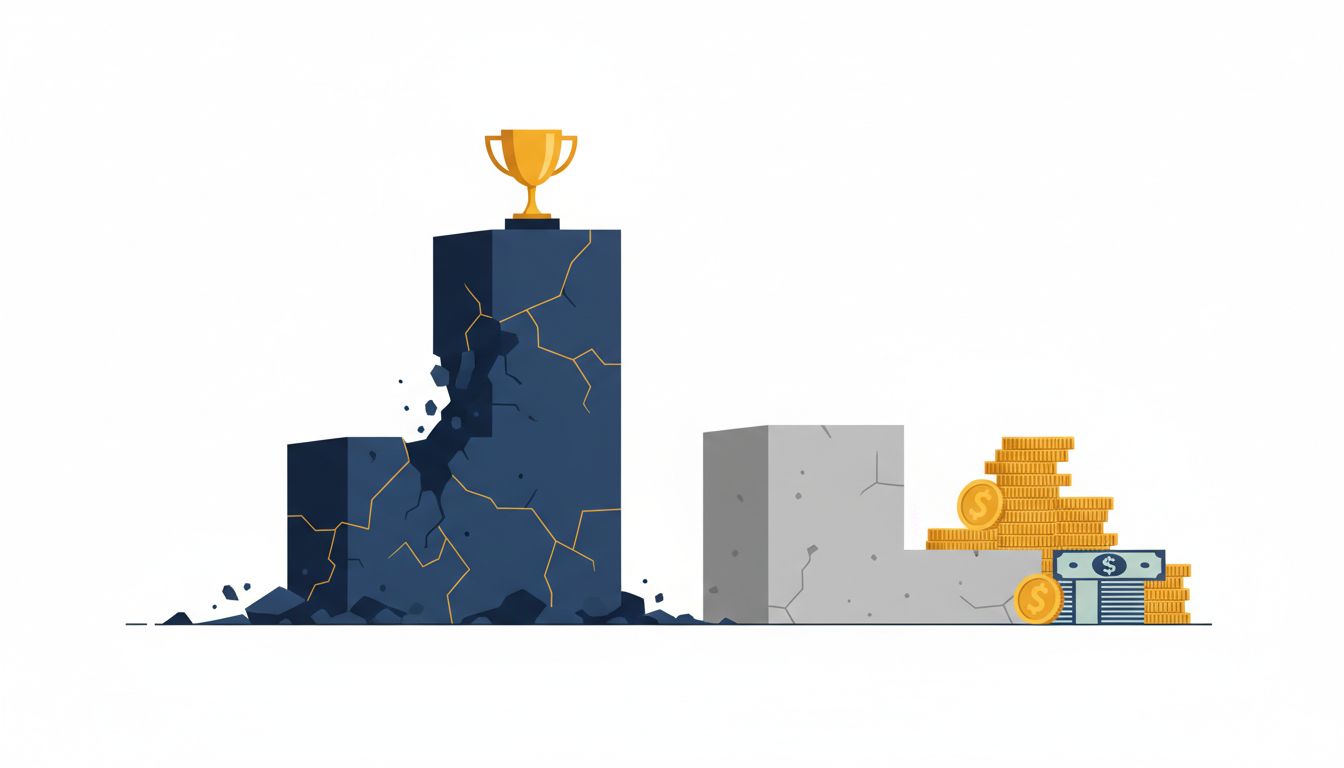
Winning a tech market looks great on a press release. But the economics of dominance are quietly brutal, and the runner-up often keeps more of what it earns.

The best technology rarely wins. Markets reward something else entirely, and once you see it, you can't unsee it.
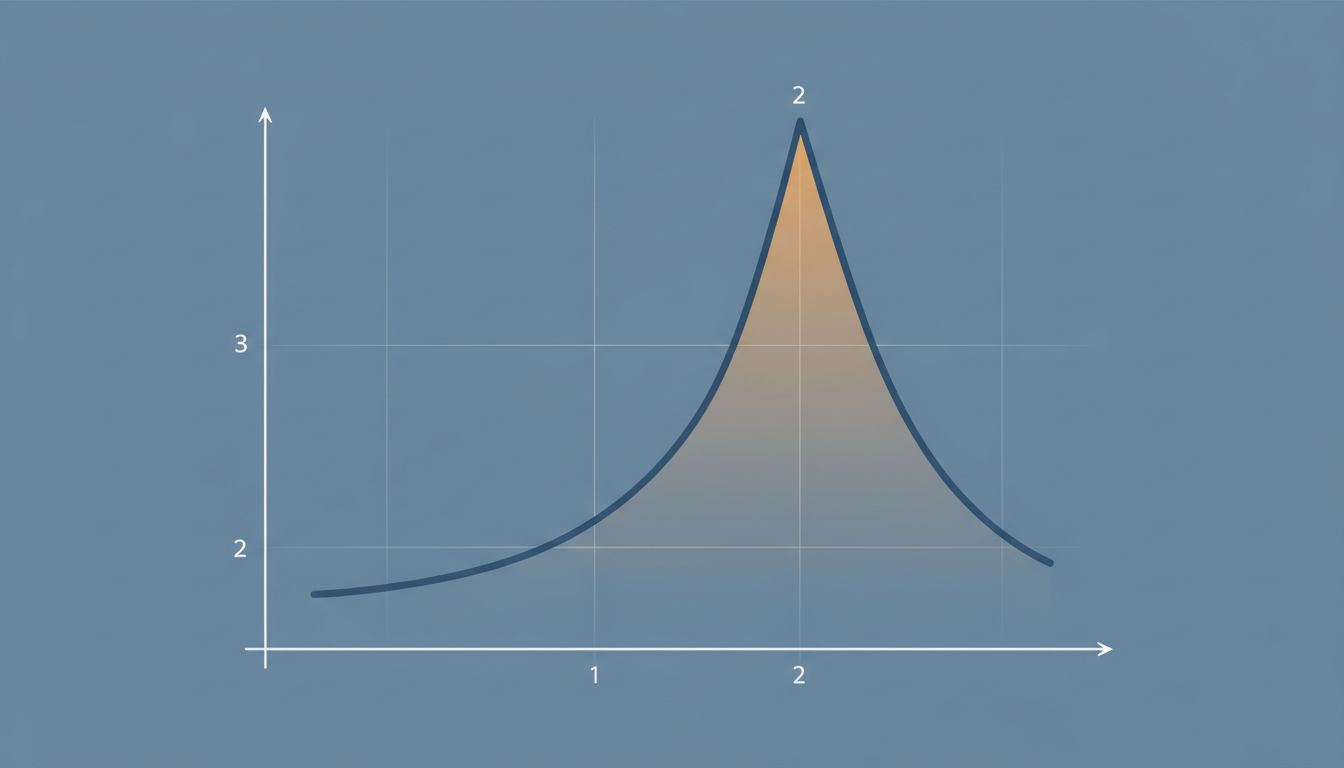
Winning a tech market is expensive. The company that finishes second often gets the economics without the burden.
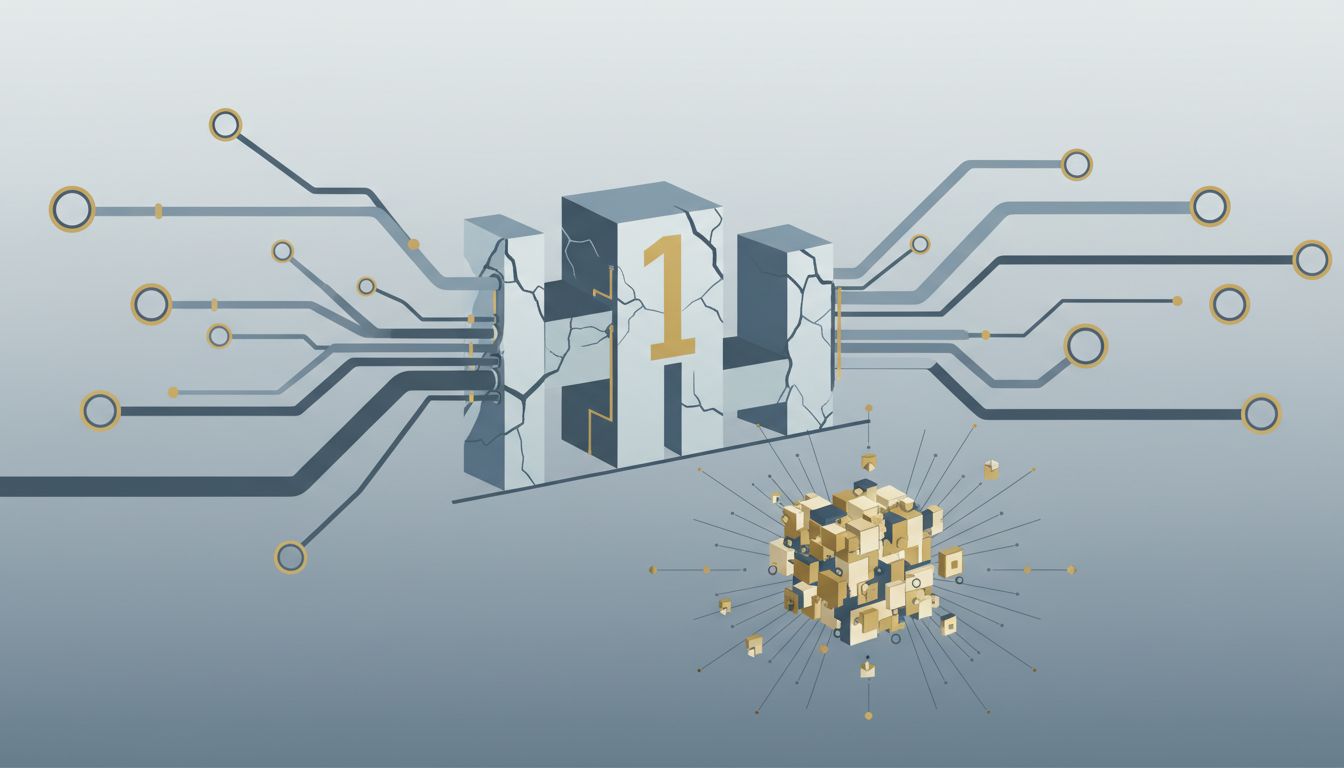
Winning a tech market often means spending yourself into thin margins. The runner-up gets to cherry-pick the profitable parts without paying for the whole war.

The bill for a cheaper engineering team doesn't arrive at signing. It arrives six months later, in rewrites, delays, and turnover.
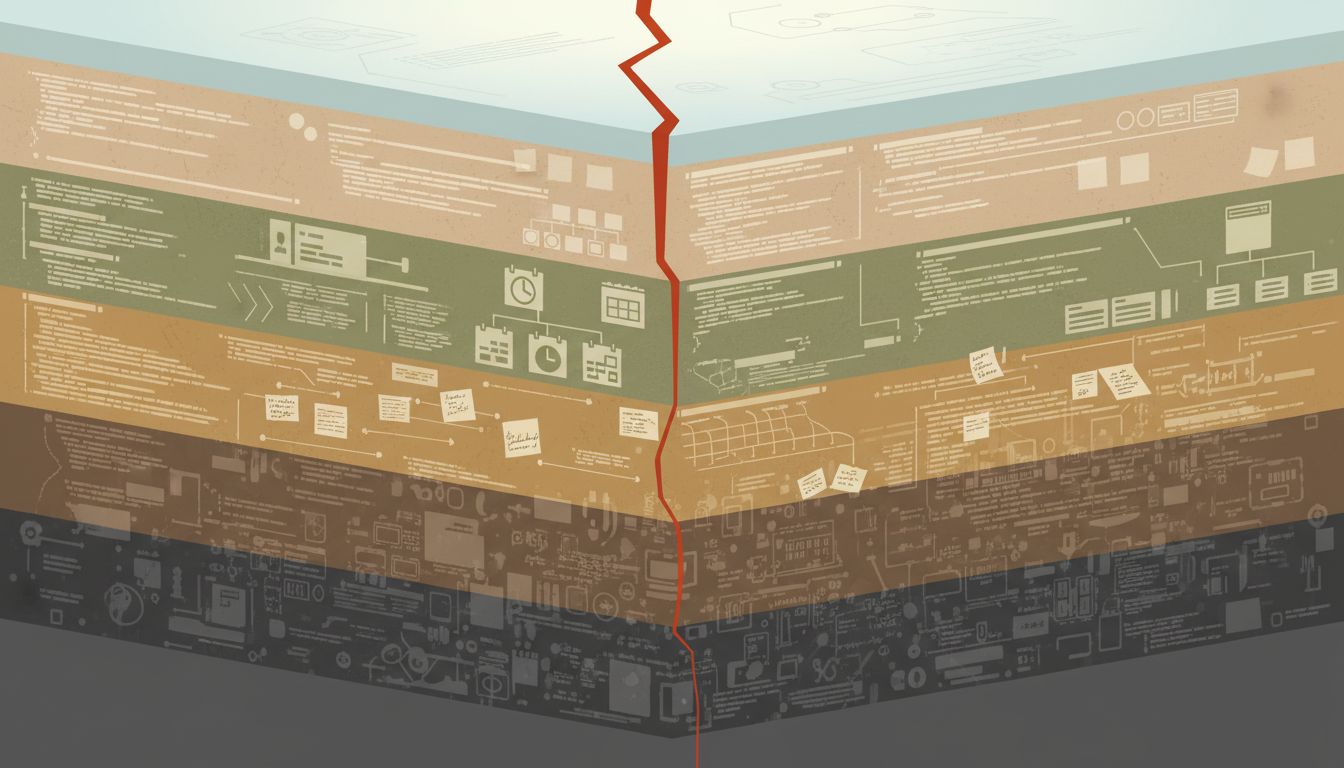
Software bugs don't appear randomly. They're fossils of past decisions, pressures, and constraints that the person removing them almost never witnessed.
Join thousands of readers who get our weekly breakdown of the most important stories in technology.
Free forever. Unsubscribe anytime.