
Technology
TCP/IP Delivers Your Message by Throwing Most of It Away
The internet doesn't send your data in one piece. It shreds it, ships the scraps separately, and reassembles them at the other end. Here's what actually happens.
Deep dives into the technology that shapes our world, from hardware breakthroughs to platform strategies.
The internet doesn't send your data in one piece. It shreds it, ships the scraps separately, and reassembles them at the other end. Here's what actually happens.

Your code doesn't run the way you wrote it. Modern CPUs reorder, speculate, and parallelize instructions in ways most programmers never see.
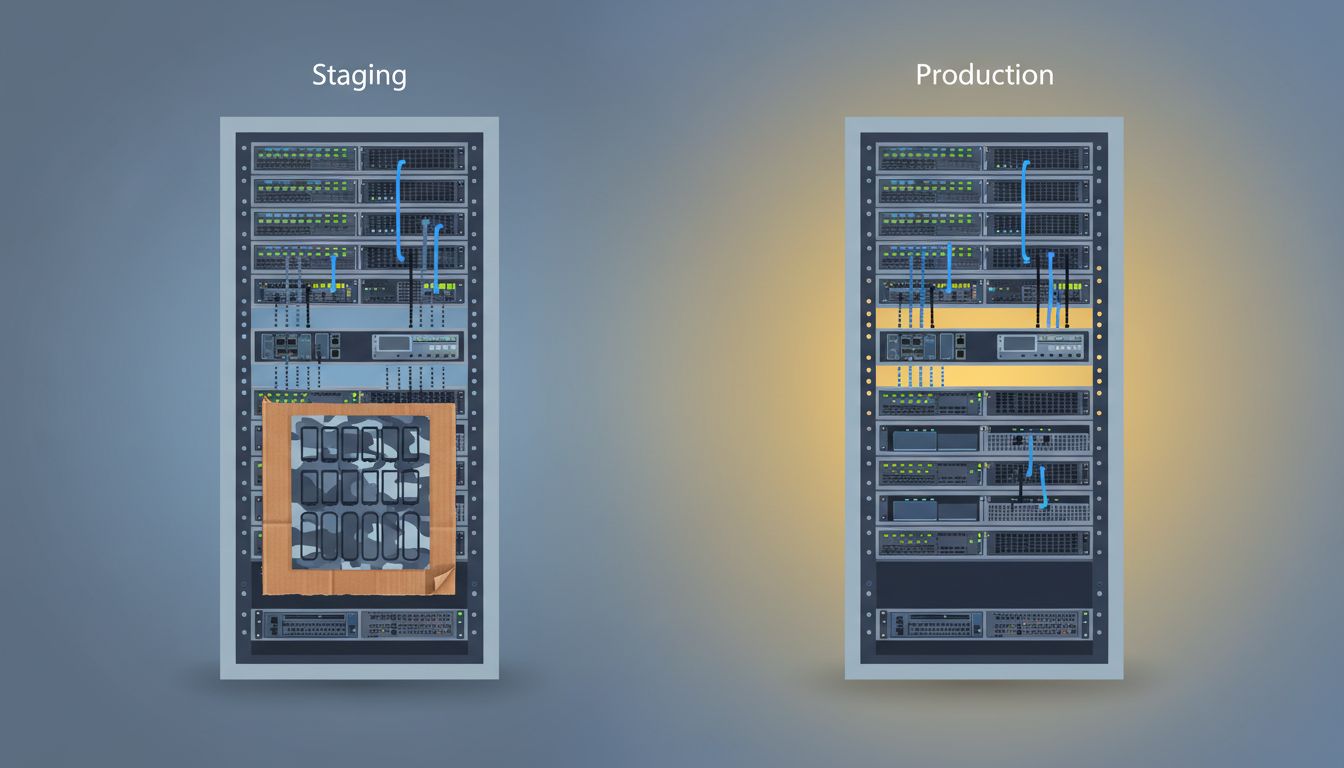
Staging environments feel like safety nets. They're often closer to theatrical sets that happen to share a name with your production system.

Packet collisions sound catastrophic. The actual mechanism routers use to handle them is elegant, well-understood, and occasionally brutal.

Code that reads like plain English can still be hiding enormous complexity. Confusing the two is a mistake that costs teams months.
Heisenbugs aren't just annoying edge cases. They expose a fundamental flaw in how we think about software correctness.

Checksums don't protect you from bad downloads. They prove the bad download happened somewhere else first. That distinction matters more than most people realize.
Adding features is celebrated. Removing them is avoided, deferred, and second-guessed. That asymmetry is costing your product.

Your data is probably encrypted. It's also probably readable by anyone who wants it. These two facts are not contradictions.

A database query takes milliseconds. Your thread might be doing absolutely nothing for all of them. That's a choice, and it's often the wrong one.

The quietest machines in your infrastructure are often load balancers, proxies, and health checkers. They process almost nothing, yet everything depends on them.
Every time you type a URL, your computer asks a chain of servers it has never vetted and accepts their answers on faith. That's not a bug. It's the design.
Adding a feature takes weeks. Removing one can take years. The asymmetry isn't a bug in how software teams work — it's a structural feature of how software ages.
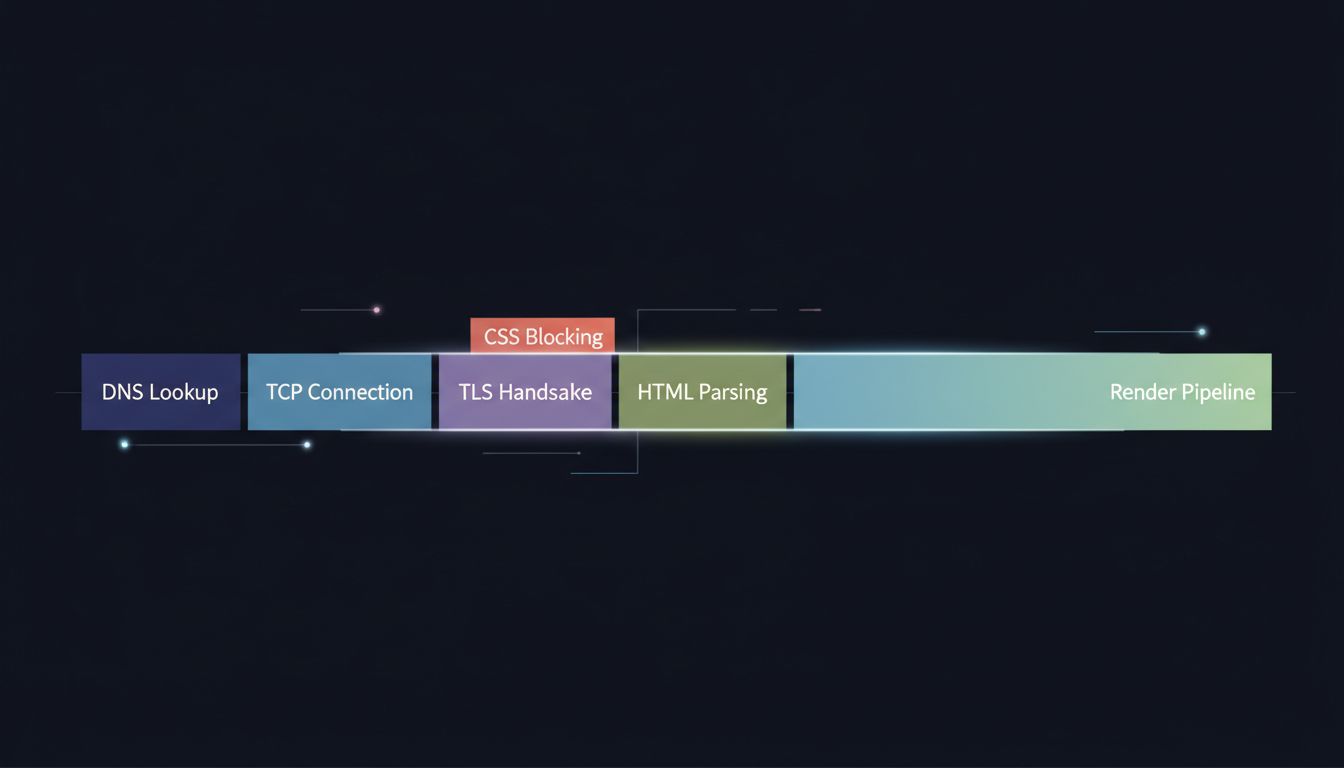
The 200 milliseconds before a page appears involve more engineering complexity than most developers realize. And most of it is wasted.

A team at Discord discovered their p99 latency was 10x worse than their dashboards showed. The problem wasn't their servers. It was how they were measuring.

Your for loop isn't a single instruction. It's a negotiation between compiler, silicon, and memory hierarchy that most code never wins cleanly.
A simple ALTER TABLE command can lock millions of rows and bring production traffic to its knees. Here's what actually happens inside the database.

The protocol routing all internet traffic was built on the assumption that network operators would behave. Most do. The ones who don't cause global outages.
Join thousands of readers who get our weekly breakdown of the most important stories in technology.
Free forever. Unsubscribe anytime.