Pricing Wrong Kills Startups. Here Is Where the Line Is.
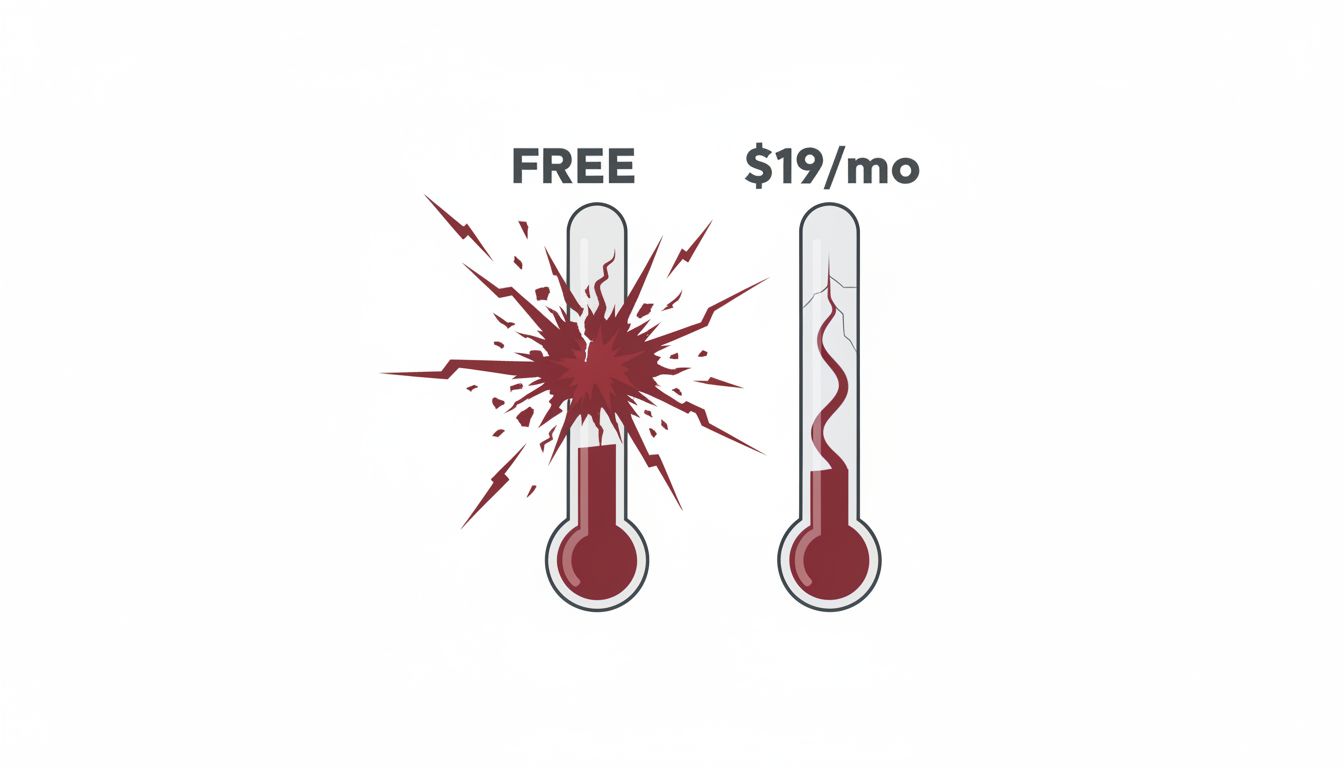
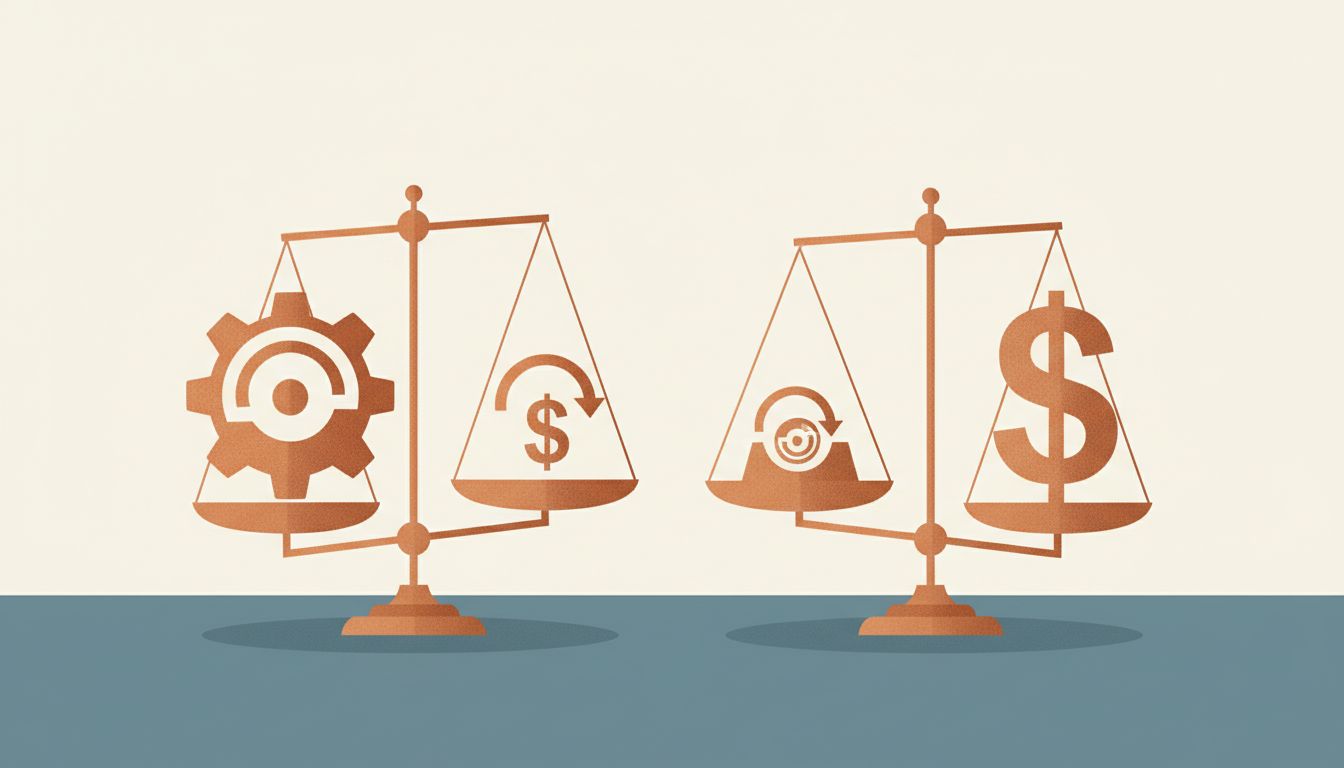
Charge too little and you bleed out slowly. Charge too much and customers walk fast. The line between them is more findable than founders think.
Underpricing feels safe in the early days. It isn't. The hole it digs is deeper than most founders realize, and almost no one climbs out.
Every abstraction you write is a bet that you've understood the problem well enough to compress it. The best ones compress it out of existence.
Most people think of prompting as talking to a system. It's not. Your text gets transformed in ways that fundamentally shape what comes back.
Engineers spend months optimizing algorithms while ignoring the real culprit: latency introduced long before their code even runs.
The math protecting your data is essentially uncrackable. Attackers already know this. They go around it instead.
You picture data flowing like water through a pipe. The reality is stranger, more resilient, and honestly more impressive.
Companies routinely underestimate engineer costs by 40-60%. The salary is visible. The rest is a blind spot that compounds over time.
Being first sounds like an advantage. The data says otherwise. Here's what actually happens when a pioneer clears the path for someone smarter.
Your favorite tool just got acquired. Here's how to read the signals, protect your workflow, and decide when to stay versus when to leave.
High-performing async teams aren't just canceling meetings. They've solved something harder: how to think and write with enough precision that their words work without them present.
Tasks completed, hours logged, inbox at zero — these feel like productivity. They're often its opposite. Here's what to measure instead.
The founders who could raise more, hire more, and ship more sometimes choose not to. That restraint isn't modesty. It's strategy.
Slack, Spotify, and Airbnb all spent years serving the wrong people. Here's what that actually looked like, and how they found their way out.
Most software bugs are never reported. They're silently absorbed by users who just stop doing the thing that broke. That silence is costing you more than you think.
When you send a message to an AI model, it gets transformed before the model ever sees it. Here's what actually happens in that gap.
Staging environments create a dangerous illusion of safety. The gap between staging and production isn't a tooling problem — it's a structural one.
A for loop looks like three lines of code. Inside the CPU, it's a cascade of fetch cycles, branch predictions, and pipeline stalls. Here's what's actually going on.
That 30% price difference between US-East and a cheaper region looks great in a spreadsheet. Then reality shows up.
Join thousands of readers who get our weekly breakdown of the most important stories in technology.
Free forever. Unsubscribe anytime.