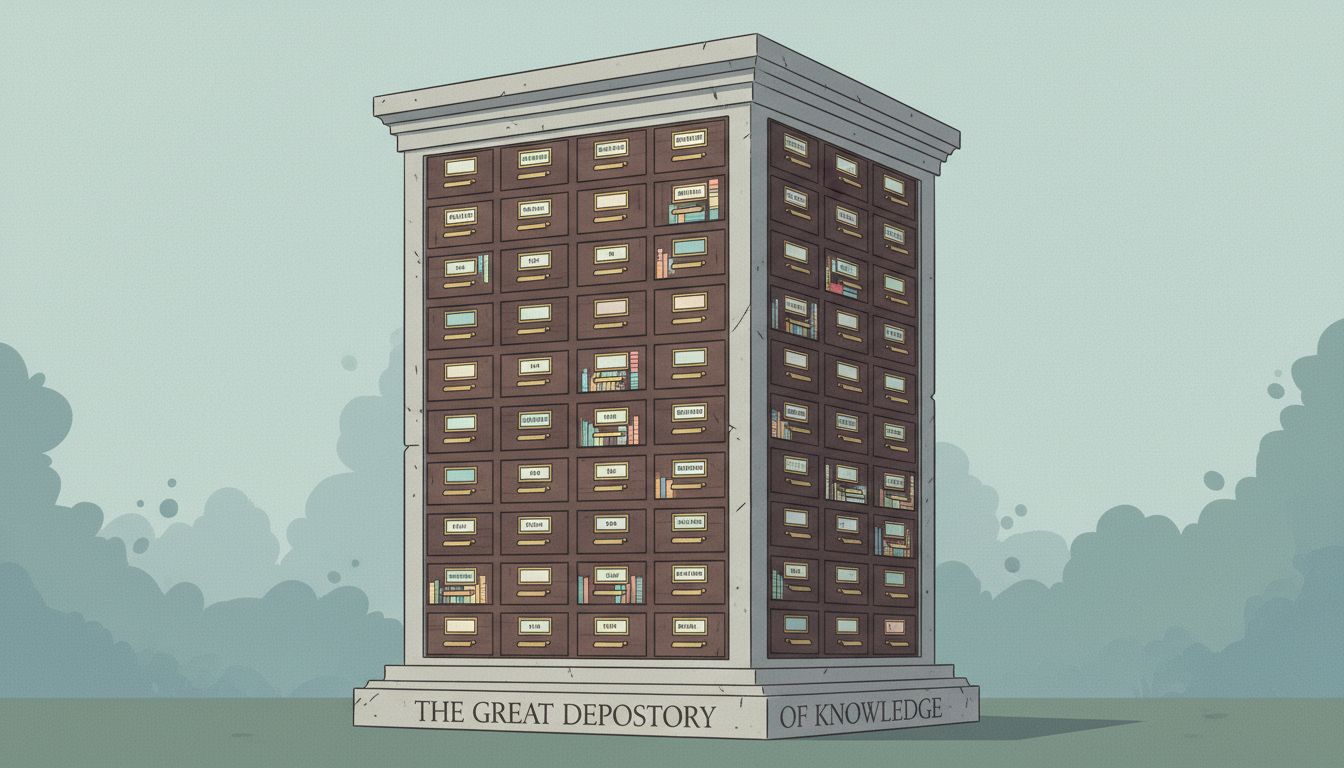

Your Second Brain Is Making Your First One Lazy
A product team built an elaborate knowledge management system and watched their collective memory get worse. Here's what went wrong and what it teaches us.
Priya Sharma is a productivity expert and technology writer who helps people work smarter with the tools they already have. A former product manager, she understands both the design thinking behind digital tools and the real-world workflows that make them useful.
A product team built an elaborate knowledge management system and watched their collective memory get worse. Here's what went wrong and what it teaches us.
Chronic procrastination usually isn't a willpower problem. It's a signal that you're working on the wrong thing entirely.
You wrote one document. Your readers each reconstructed a different one. That gap is not a communication problem — it's a document design problem.
Most people know roughly when they do their best thinking. They schedule meetings there anyway. Here's how to stop.
A product team shipped features on time, but their velocity kept dropping. The problem wasn't what they hadn't finished. It was everything they almost finished.
Every to-do app is optimized for capture. None of them are optimized for completion. Here's why that matters and what to do about it.
Canceling a meeting feels productive. But the real skill is recognizing which ones shouldn't exist at all — and why they keep getting created anyway.
Bigger AI models get the headlines, but the real performance gains often come from making models smaller. Here's why constraints produce better reasoning.
You're probably doing your hardest thinking during email triage. That's not a time management problem — it's a task allocation problem.
The creator of Inbox Zero spent years building the perfect task system before realizing it was optimized for capturing work, not finishing it.
Meta's decision to release Llama models at multiple sizes taught the industry something counterintuitive: smaller, focused models frequently outperform their giant siblings in real deployments.
Over-engineered prompts often produce worse results than simple ones. Here's why, and what to do instead.
The skills behind good prompting aren't new. They're the same ones that make you a better writer, manager, and problem-solver.
The more capable the model, the more convincing its mistakes. This isn't a bug that will get patched. It's a structural feature of how these systems work.
The productivity system that promised to capture everything you know mostly captures everything you'll never revisit. Here's why, and what to do instead.
Most people treat AI models like colleagues who remember context. They don't. Understanding why changes how you work with them.
Retrieval-Augmented Generation is genuinely useful, but most teams deploy it expecting it to solve something it was never designed to fix.
Most prompt engineering advice focuses on getting better outputs. That's the wrong goal. Here's what to optimize for instead.
Join thousands of readers who get our weekly breakdown of the most important stories in technology.
Free forever. Unsubscribe anytime.