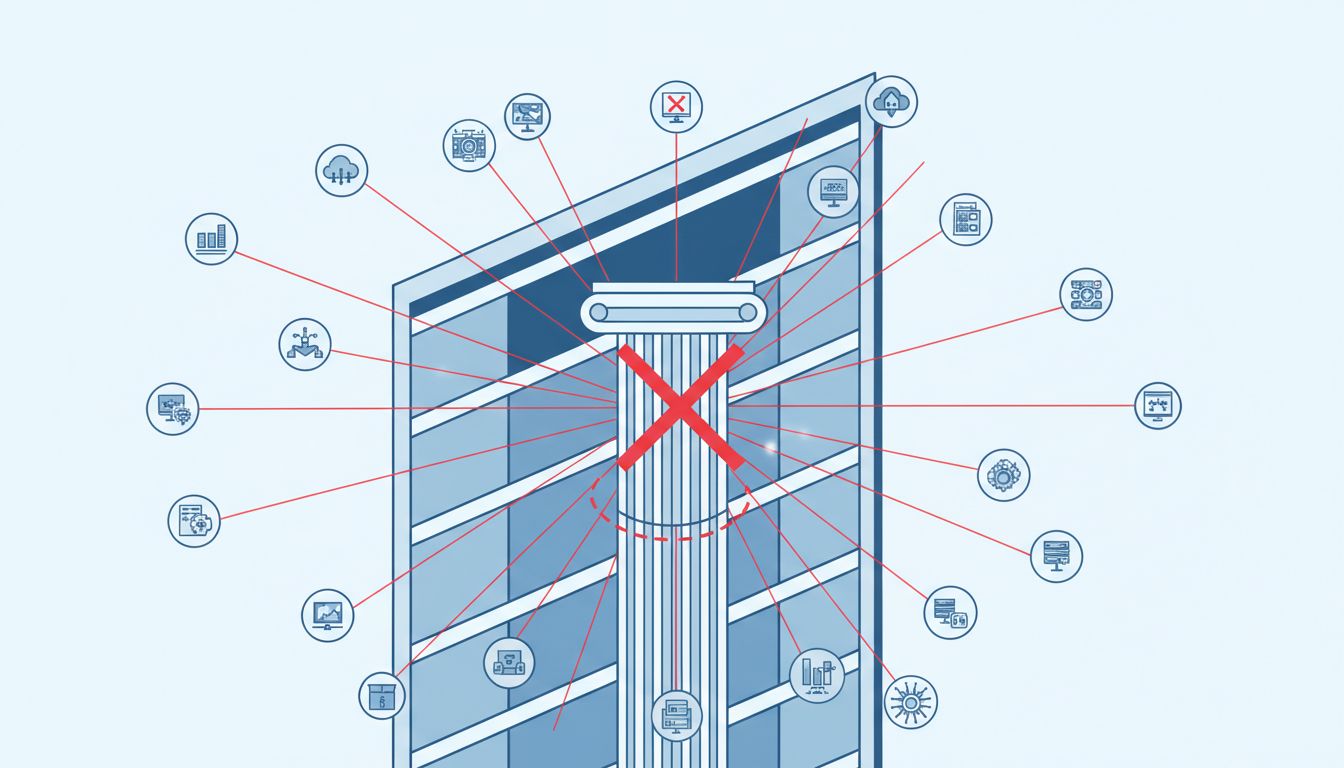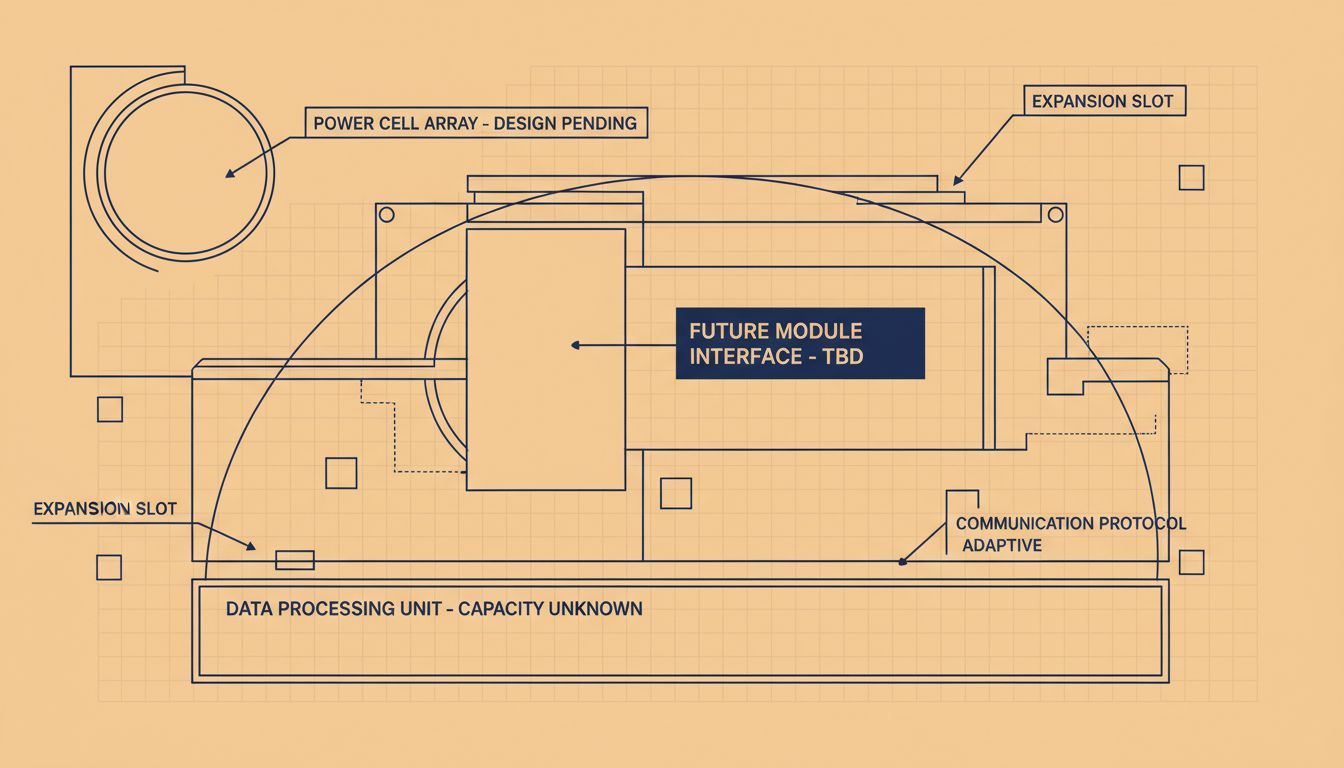
Admitting What You Can't Do Usually Wins the Deal
Startups obsess over hiding weaknesses. The ones that win enterprise deals are usually doing the opposite.
The founder who starts a company second isn't copying. They're solving a different, harder problem — and that difference is why they tend to win long-term.
The engineers behind the products you use every day are rarely the ones in the company photos. Here's how tech's shadow workforce actually operates.
Canceling a meeting isn't laziness or avoidance. It's often the most productive decision you can make for everyone in the room.
Acquisitions rewrite the rules you agreed to. Here is what survives, what disappears, and what was never yours to begin with.
More measurement feels like more control. It isn't. The startups that outperform tend to track almost nothing — on purpose.
A team ships an AI-assisted feature, the tests pass, and a silent data corruption bug lives in production for weeks. Here's the structural reason this keeps happening.
Caching is supposed to make your app faster. But a misconfigured cache doesn't just slow things down — it serves confidently wrong answers to the users who matter most.
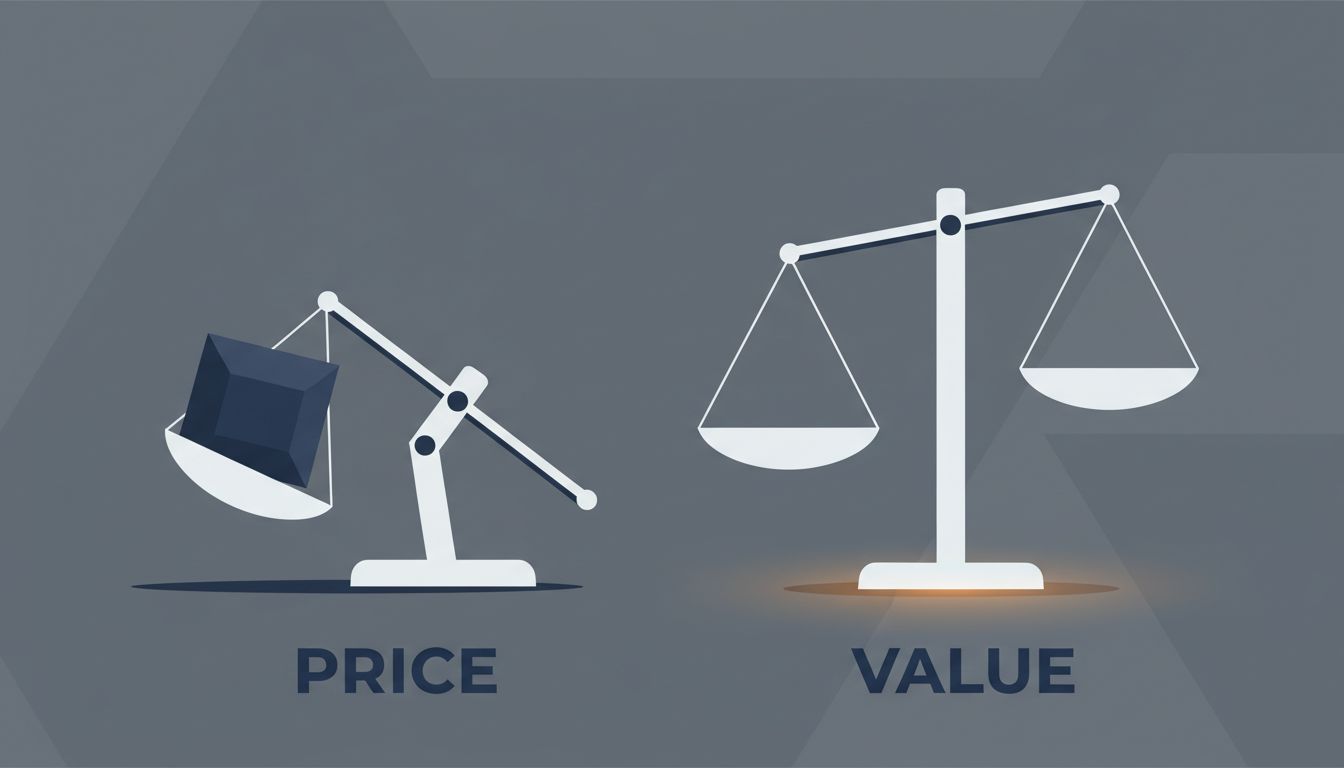
Underpricing feels safe. It isn't. The startups that set high prices early tend to build better products, attract better customers, and last longer.
Canceling a meeting isn't avoidance. For knowledge workers, it's often the highest-leverage decision of the day.
Hiring more engineers feels like the obvious fix for a slow team. It almost always makes things worse before it makes them better.
Holding onto completed work is a hidden productivity tax. The cognitive case for deliberate forgetting is stronger than any review system.
Being first sounds like an advantage. In practice, it mostly means you pay to educate the market so someone else can monetize it.
Asking an LLM to 'think step by step' doesn't make it reason. It makes it generate text that looks like reasoning. The difference matters more than most developers realize.
A crash tells you something is wrong. A silent bug lets you keep shipping broken software for months before anyone notices.
Winning a market and making money from it are different games. The company in second place is almost always playing the better one.
Being first gets you press coverage and a headstart on mistakes. The company that arrives second gets a roadmap. Guess which advantage is worth more.
The attention mechanism that makes LLMs powerful also makes them scale quadratically with context length. Here's what that means for your infrastructure bill.
Winning a tech market and profiting from it are different goals. The company in second place almost always knows this better than the one in first.
Join thousands of readers who get our weekly breakdown of the most important stories in technology.
Free forever. Unsubscribe anytime.