The HTTPS Lock Icon Tells You One Thing and You Are Probably Reading It Wrong
The padlock in your browser means your connection is encrypted. It says nothing about whether the site on the other end is trustworthy, legitimate, or safe.
The real reason your software keeps getting AI features you don't use has nothing to do with your needs. Here's who those features are actually built for.
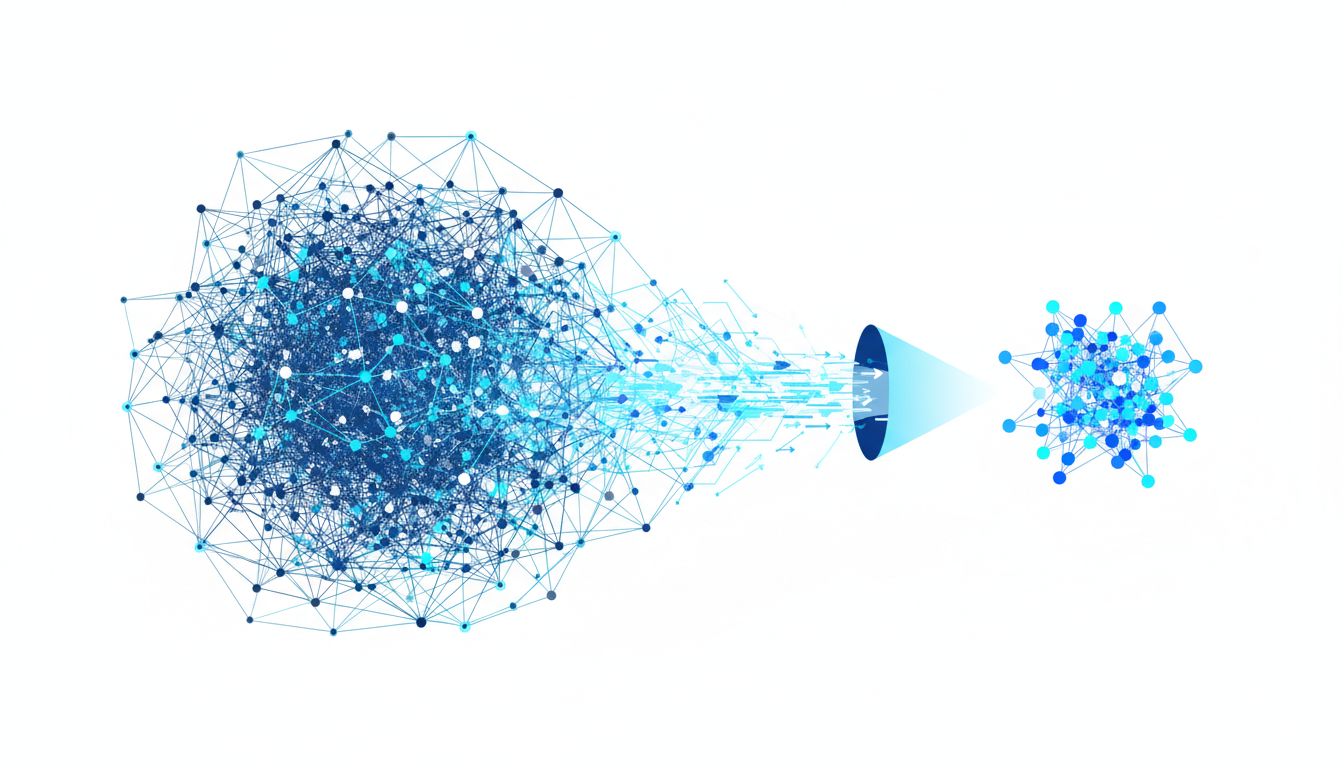
Bigger training sets don't automatically produce better models. Here's what actually happens when you feed an AI more data than it can use well.
The code running your ATM, your flight, and the power grid was written decades ago. That's not a problem. It's the point.
Planned obsolescence looks like waste. It's actually a capital allocation strategy that most users never see coming.
Tech companies don't avoid taxes by accident. Transfer pricing is a deliberate architecture built into how they structure revenue from the start.
The wealth gap between employee #10 and employee #500 at a tech IPO isn't an accident. It's baked into the structure from day one.
When Big Tech calls for regulation, they usually mean their regulation. The support is real. So is the sabotage.
Always-on teams confuse activity with output. The best distributed teams have figured out that async communication isn't a compromise, it's a structural advantage.
A product team's investigation into why their best engineers kept shipping shallow work uncovered something hiding in plain sight: the tab bar.
The most productive people don't work in long unbroken stretches. They work in short, deliberate bursts — and the science of how brains process information explains why.
The partnership email looks like an opportunity. It is almost always a trap. Here is how founders who survived learned to tell the difference.
Funding feels like the solution. Often it's the thing that kills your feedback loop, bloats your team, and turns a sharp product into a committee decision.
The AI features cluttering your software aren't failed products. They're doing exactly what they were designed to do, just not for you.
More data doesn't automatically mean better AI. The story of Google's medical imaging research shows why quality, focus, and task fit matter more than scale.
The story tech companies tell about dark mode is about comfort and battery life. The real story is about competitive signaling and design authority.
The password advice you grew up with is wrong. Memorability and security pull in opposite directions, and your brain is the weakest link.
Tech companies routinely build products they intend to retire. The reason isn't waste. It's control.
Transfer pricing lets multinationals charge their own subsidiaries for intellectual property, shifting billions in taxable income to low-rate jurisdictions. It's legal, widespread, and worth understanding.
Join thousands of readers who get our weekly breakdown of the most important stories in technology.
Free forever. Unsubscribe anytime.