Six Reasons Raising Your API Price Made It Sell Better
Counterintuitive but consistent: higher API prices often attract more serious buyers, reduce support burden, and improve retention. Here's the mechanism behind each.
Transformers run the modern AI world, but 'attention' is one of the most misexplained ideas in the field. Here's what it actually does.
Round-robin and least-connections made sense when servers were identical boxes in a rack. Most infrastructure has moved on. Your routing logic hasn't.
Clicking Send feels instant. The journey from user action to transmitted packet involves more coordinated machinery than most programmers ever stop to consider.
Read replicas promise to speed up your database without touching the primary. The hidden cost is consistency, and most teams don't find out until something breaks.
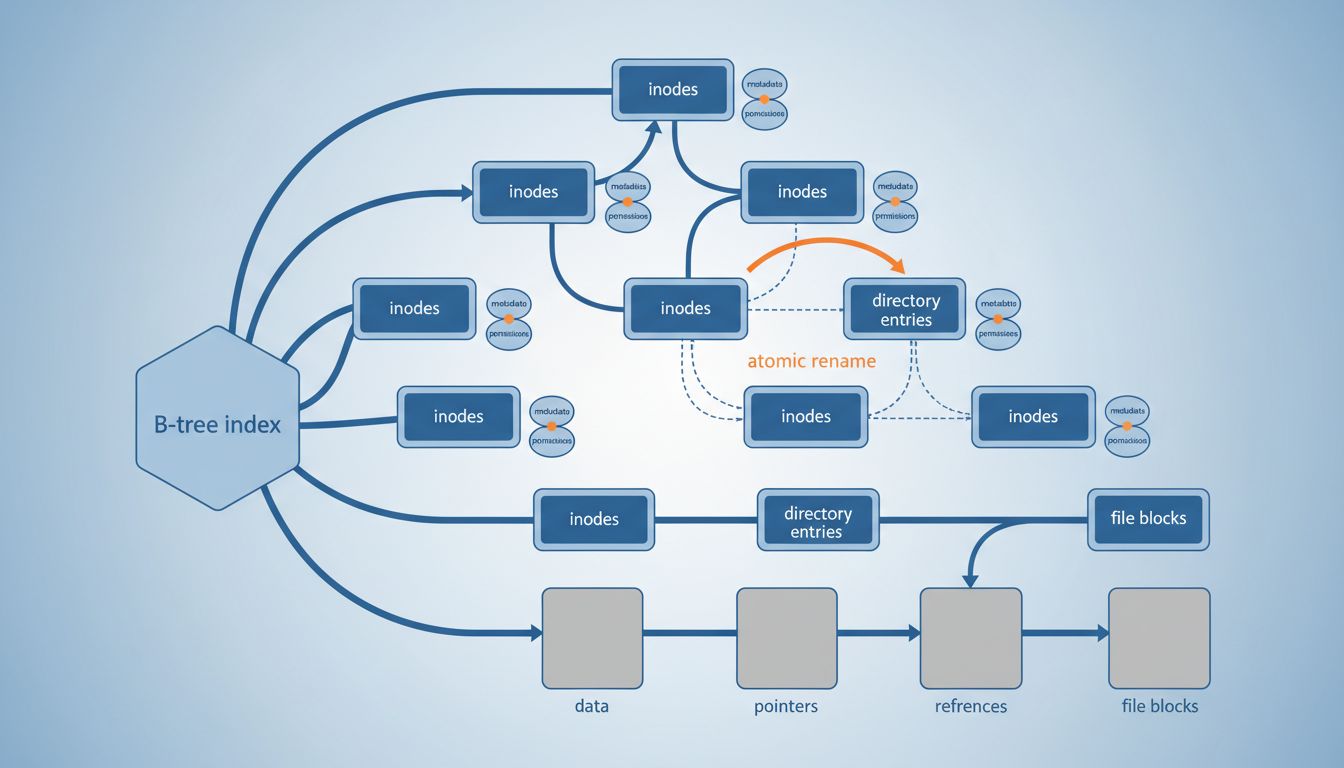
SQLite is the most widely deployed database in history. Its creator spent decades making it correct, not fast. That sequence mattered.
The Nortel patent auction wasn't a sad footnote to a corporate collapse. It was the business model working exactly as intended.
The companies that give their core product away for free are now worth more than the ones who locked it behind a paywall. Here's why the math actually works.
When a VC backs your competitor, it feels like betrayal. It's actually a deliberate portfolio strategy with a specific financial logic founders rarely see clearly.
The most valuable engineers at high-growth tech companies aren't the ones shipping the most code. They're the ones stopping the wrong code from being written.
How Meta's 'Year of Efficiency' became a masterclass in what tech companies actually optimized during the hiring boom — and what they were hiding.
Every time you let a notification set your next action, you hand your priorities to whoever sent it. Here is what that actually costs you.
Digital calendars didn't fail to solve the busyness problem. They made it structurally worse — and the mechanism is hiding in plain sight.
Tasks feel manageable on paper but fall apart in practice. The problem isn't your discipline or your app. It's the unit of work you're tracking.
The productivity canon is built for people who struggle to focus. High performers already solved that problem. They have a different one.
The apps stealing your best thinking hours aren't broken. They're working exactly as designed. Here's the mechanism.
Chasing product-market fit too early is one of the most reliable ways to build a company that fits the market that exists instead of the one that's coming.
Most founders treat market focus as a constraint to overcome. The ones who win treat it as a weapon.
Figma's pricing wasn't aggressive. It was a statement about what kind of company they were building and who they were building it for.
Join thousands of readers who get our weekly breakdown of the most important stories in technology.
Free forever. Unsubscribe anytime.