Six Reasons Raising Your API Price Made It Sell Better
Counterintuitive but consistent: higher API prices often attract more serious buyers, reduce support burden, and improve retention. Here's the mechanism behind each.
The funding advantage is real. It's also a trap. Here's what actually happens when startups have too much money to spend.
In 2013, every reasonable person told Butterfield that enterprise chat was a dead market. He ignored them. Here is why that was the right call.
The uncomfortable truth behind noisy training data: it's not negligence. For many AI teams, dirty data is a deliberate engineering trade-off.
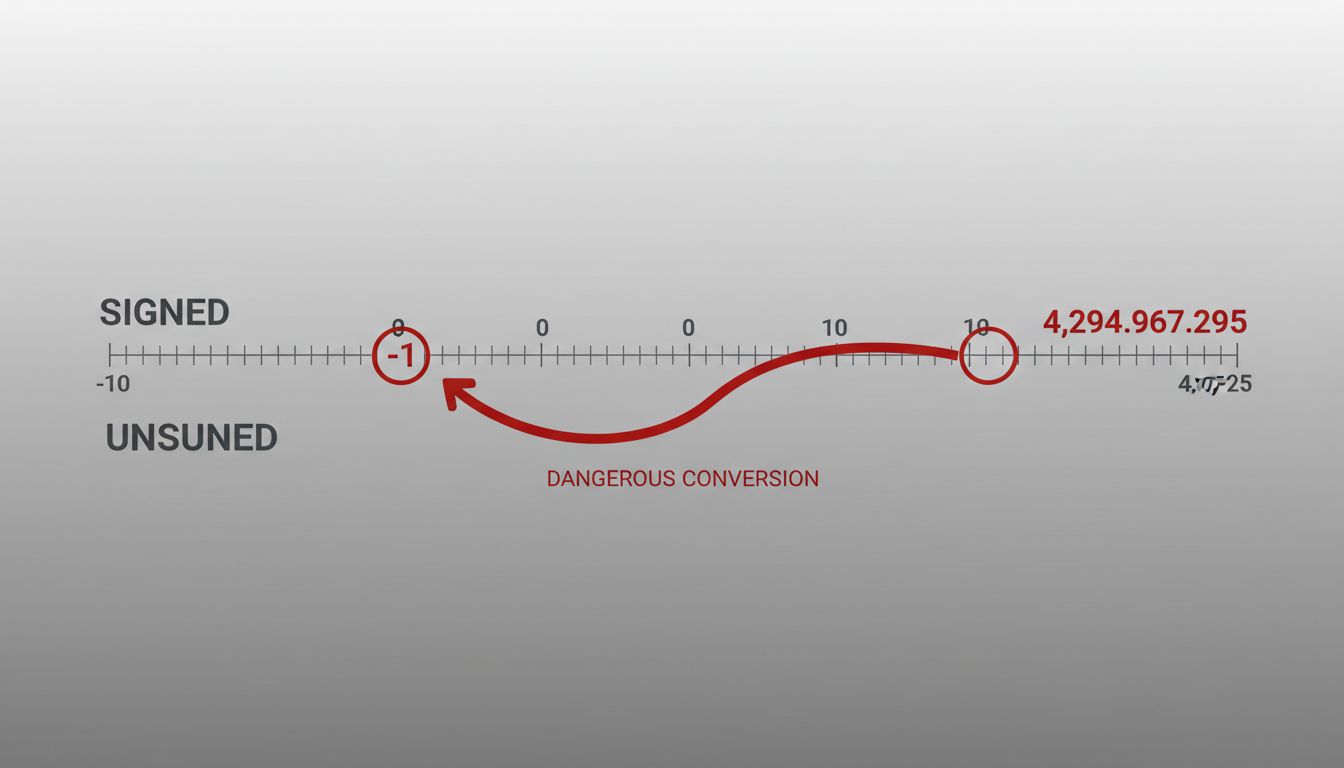
Developers obsess over complex algorithms while integer overflow quietly corrupts financial records in a date formatter written in 2009.
Everpix had hundreds of thousands of users and a product people loved. It shut down because it priced itself into a corner it couldn't escape.
The ability to write a sonnet and the ability to count letters in a word are not on the same axis. AI training rewards one and ignores the other.
A green build means your tests passed, not that your software works. These are different things, and confusing them is expensive.
The graveyard of acquired-and-abandoned startups looks like corporate waste. It is actually a deliberate strategy, and it works.
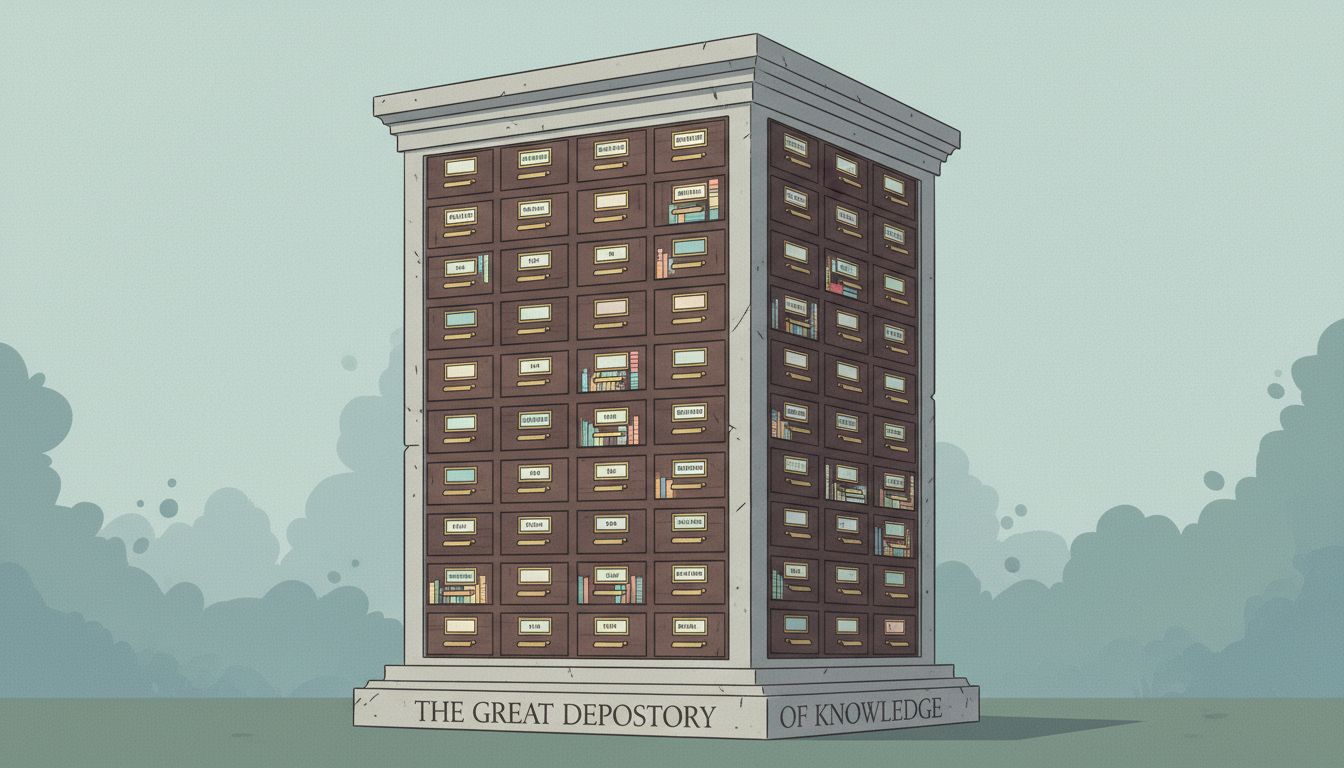
Vector databases power most modern AI search and retrieval. Here is what they actually contain, and why it matters for understanding how AI works.
The skills that make a good technical writer and the skills that make a good prompt engineer are the same skills. One team's accidental discovery proves it.
Time zone bugs are some of the most deceptive in software. Here's what actually happens inside a database when the clocks don't agree.
Clean, readable code is a virtue. But the industry has quietly elevated it above correctness, performance, and architectural soundness — and that's a problem worth naming.
The apps people trust most aren't trying to maximize your time on screen. They're optimizing for something more durable: the feeling that they work.
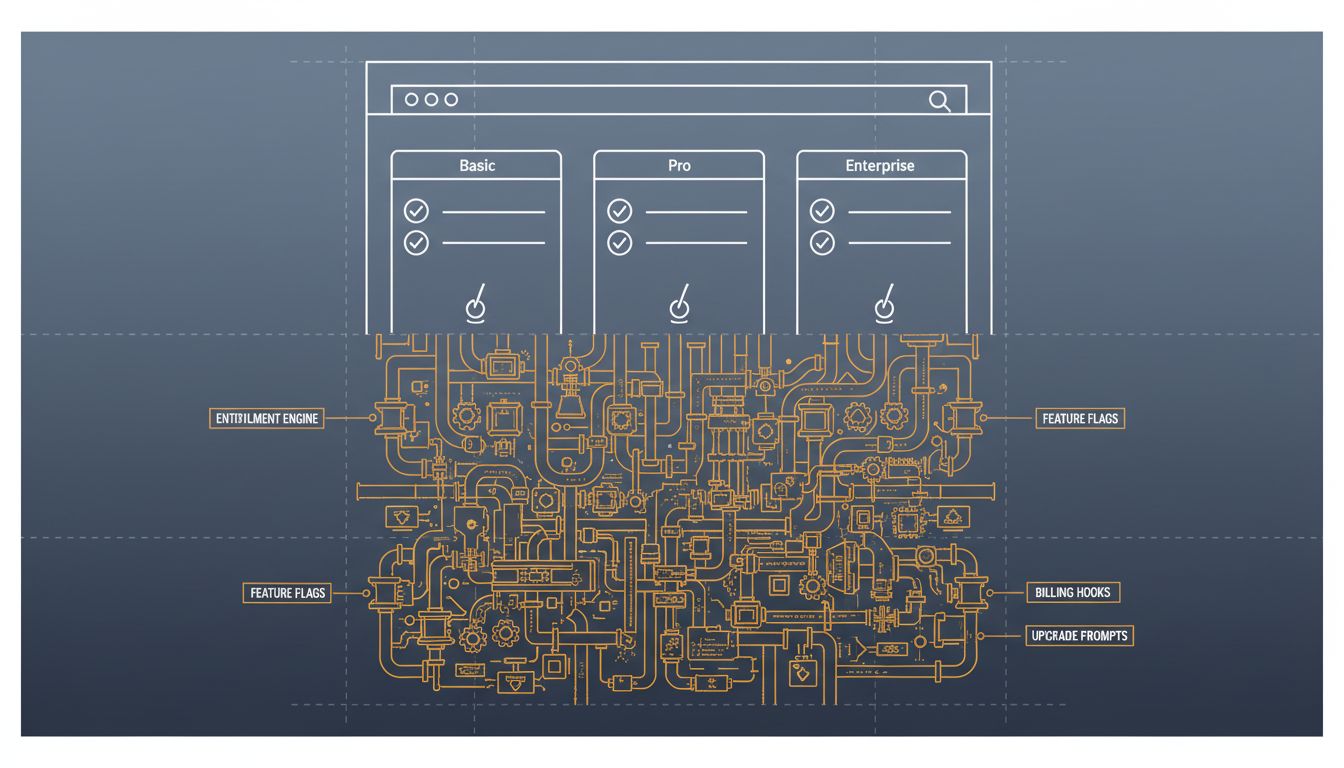
It looks like bad design. It's actually a deliberate business decision with a specific logic behind it.
The middle tier exists to make the top tier feel reasonable. The bottom tier exists to make you feel like you have a choice.
When Google led a $300M investment round in Anthropic, it looked like self-sabotage. The logic behind it reveals how large tech companies actually think about existential risk.
Tech's biggest companies don't maximize profit on their best products. They extract it from their worst ones. Here's the structural reason why.
Every major tech acquisition failure has the same root cause. It has nothing to do with integration problems or culture clash.
Join thousands of readers who get our weekly breakdown of the most important stories in technology.
Free forever. Unsubscribe anytime.