Six Reasons Raising Your API Price Made It Sell Better
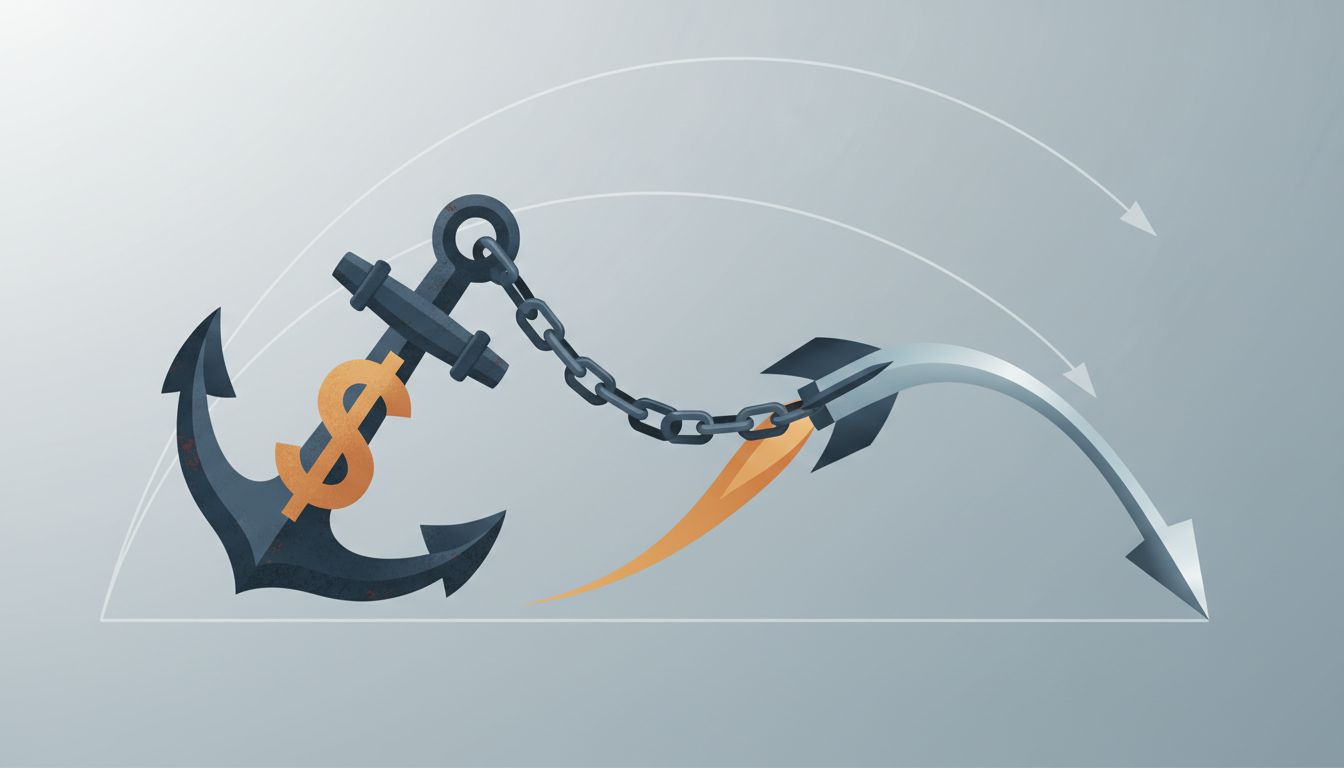
Counterintuitive but consistent: higher API prices often attract more serious buyers, reduce support burden, and improve retention. Here's the mechanism behind each.
Spreading work across a phone, laptop, and tablet feels productive. The cognitive science says otherwise, and the mechanism is worth understanding.
The most productive people you know are not using the hottest new tool. They have built workflows so well-structured they outlast any single piece of software.
A close look at how one company's radical scheduling overhaul revealed why calendar software fails not from bad features, but from a flawed model of what time management actually is.
A product team's experiment with tool-free thinking time produced an unexpected result: the work got better and moved faster.
The waitlist, the invite code, the cryptic landing page. Deliberate obscurity is a growth strategy, and it works because scarcity is a feeling you can manufacture.
The founders who turn down paying customers in year one aren't being precious. They're avoiding a trap that kills more startups than running out of money.
Customer discovery is gospel in startup culture. But the companies that built durable value often ignored what customers said they wanted.
Basecamp never raised a Series A. Its better-funded competitors are mostly gone. The story of why is less romantic than you think.
The constant 'I'm sorry' from AI chatbots isn't humility or good manners. It's a product decision baked into training, and it has real costs.
Spotify didn't just add premium features. It steadily removed free ones — a playbook that's now standard across SaaS.
The uncomfortable reason AI labs keep poisoned data in their training sets isn't negligence. It's a deliberate tradeoff most people misunderstand.
Asking an AI to show its work doesn't just slow it down. It actively changes what answer it produces, and usually not for the better.
The middle option on a pricing page isn't a compromise. It's a trap built on decades of behavioral research.
Companies lose your data, apologize, offer a year of credit monitoring, and their stock recovers within weeks. Here's why the system works exactly as designed.
Planned obsolescence isn't a flaw in how tech companies operate. It's a core feature of how they make money.
Scarcity by design isn't a bug or a conscience. It's a retention strategy that works better than infinite scroll.
Buybacks look like financial engineering. They are, but not in the cynical way most critics assume. The real logic runs deeper.
The richest companies in tech history built their fortunes without factories, fleets, or physical inventory. This is not a coincidence.
Join thousands of readers who get our weekly breakdown of the most important stories in technology.
Free forever. Unsubscribe anytime.